
How to Make the Best Turkey Gravy Recipe (Rich, Smooth & Foolproof)
Learning how to make the best turkey gravy recipe is one of those kitchen skills that instantly levels up your roast dinner. Whether it’s Thanksgiving, a Sunday roast, or you’re working with leftover turkey, a good gravy ties everything together. Smooth, savory, and full of deep flavor this is the kind of homemade turkey gravy that makes people go back for seconds.
What I love about this turkey gravy is how flexible and forgiving it is. You can make it with pan drippings from a roast turkey, from frozen turkey, or even without drippings at all. It’s an easy turkey gravy that doesn’t require fancy ingredients, but still tastes rich and comforting. Once you learn this method, you’ll never feel stressed about gravy again.
This recipe is all about confidence, balance, and flavor and it works every single time.
Why You’ll Love This Best Turkey Gravy Recipe
Beautiful Colors
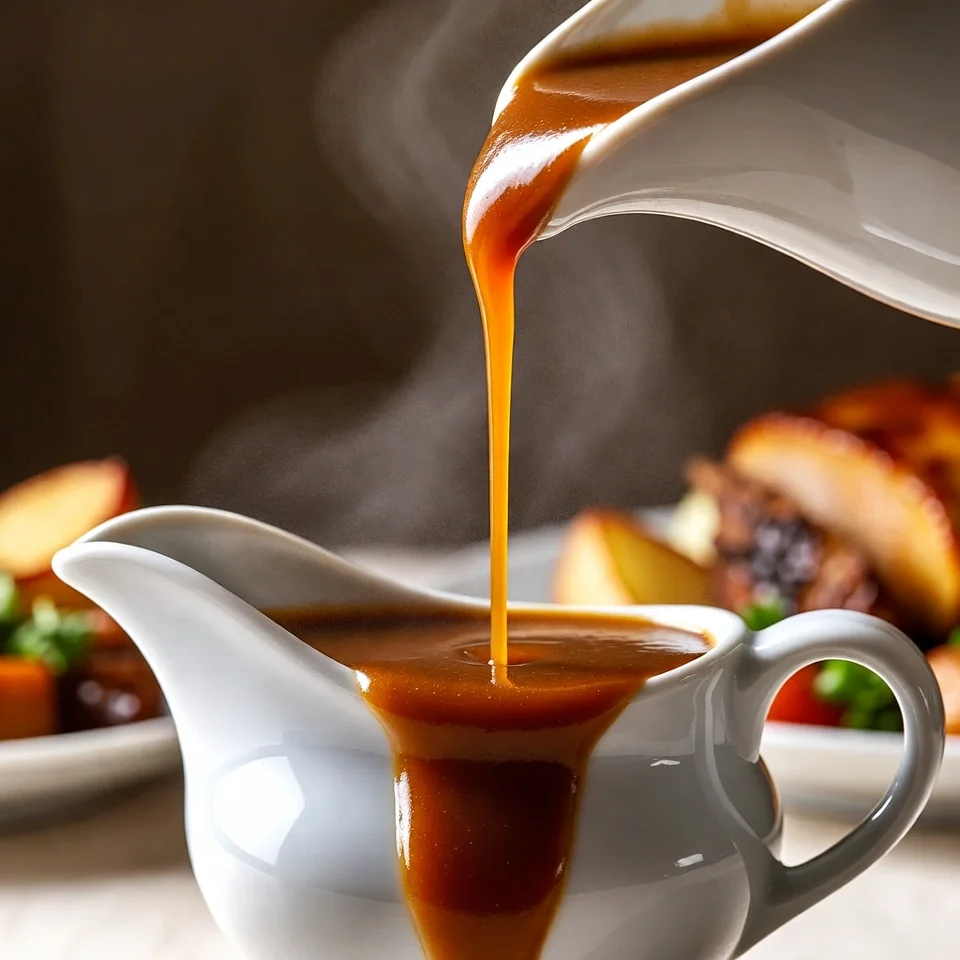
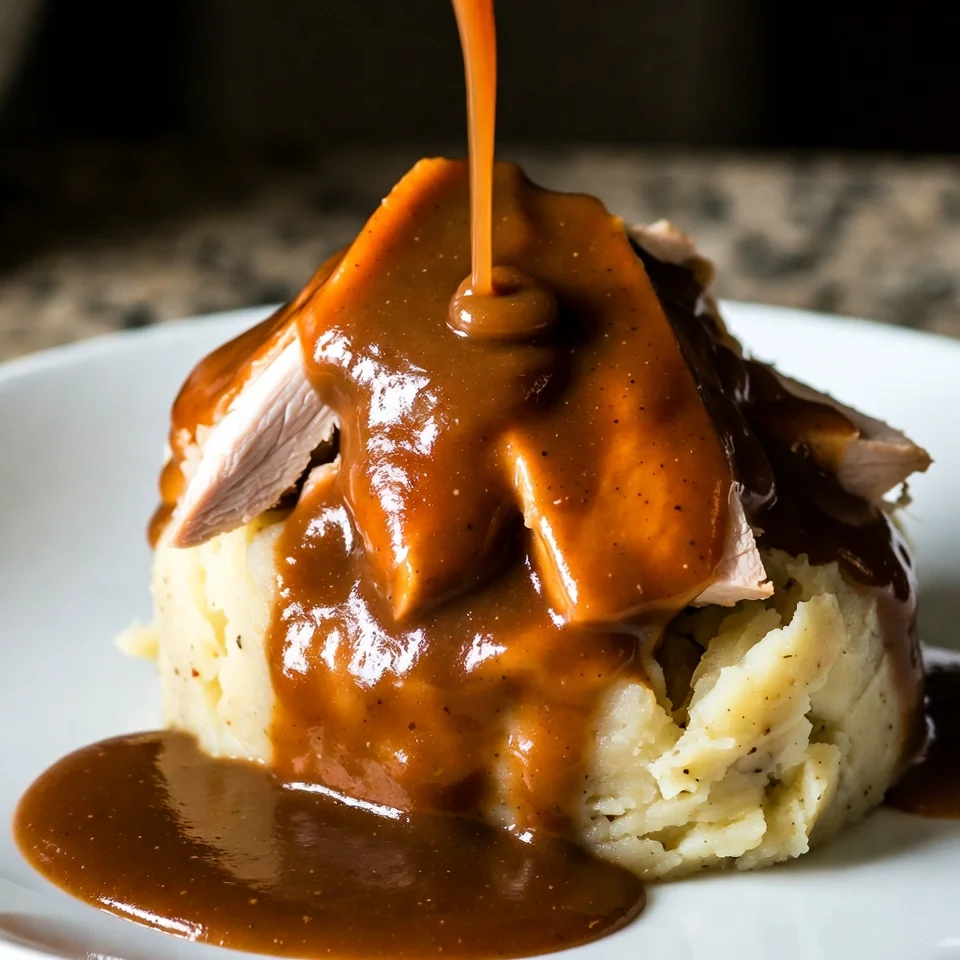
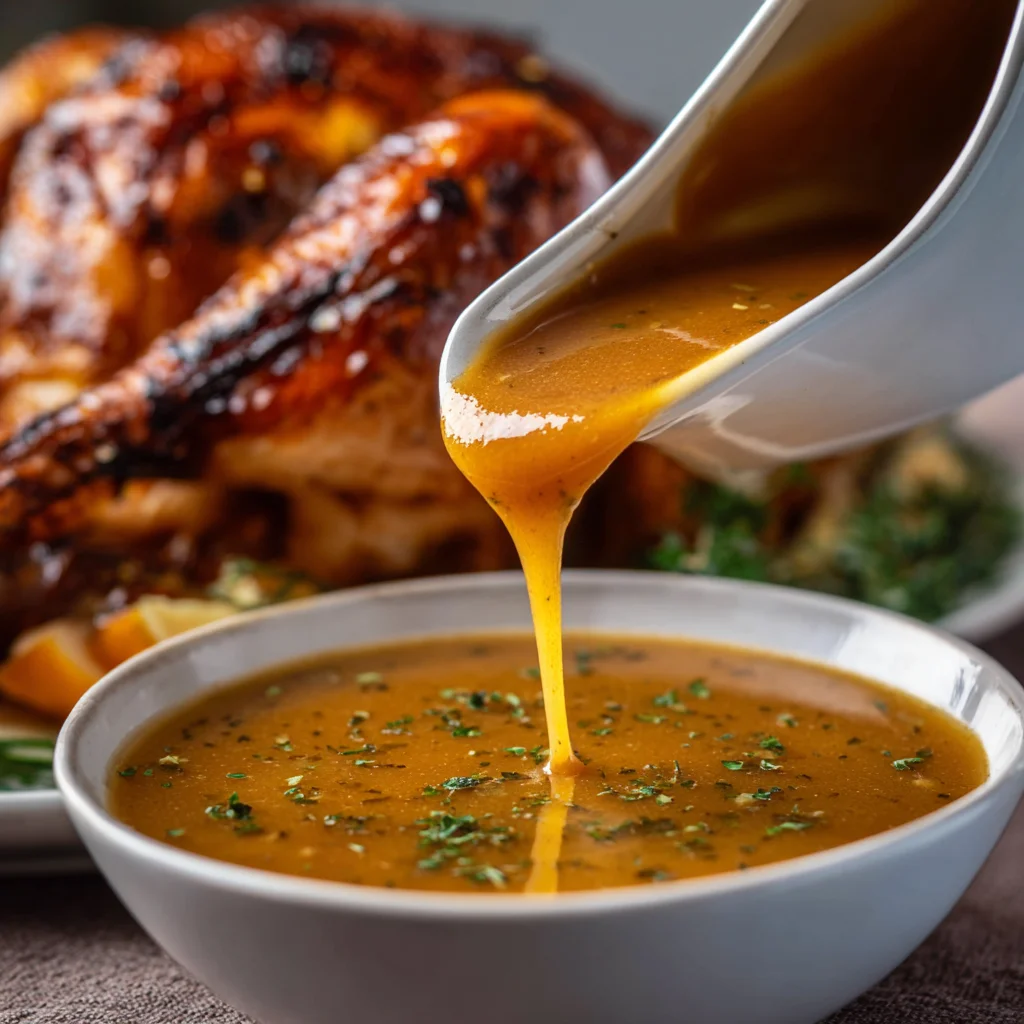
A perfectly made turkey gravy has a deep golden-brown color that looks glossy and inviting on the plate.
Rich & Comforting
This gravy is smooth, savory, and full-bodied, making it perfect for roast dinners and cozy family meals.
Simple but Flavorful
Using basic pantry ingredients, this turkey gravy recipe builds flavor naturally without tasting bland or floury.
Perfect Anytime
Ideal for holiday meals, easy turkey dinners, or even using leftover turkey during the week.
Customizable
You can adjust thickness, seasoning, and richness depending on how you like your gravy.
Recipe More About : Mini Meatloaf Muffins with Mashed Potato Frosting
Ingredients for the Best Turkey Gravy Recipe
For Turkey Gravy
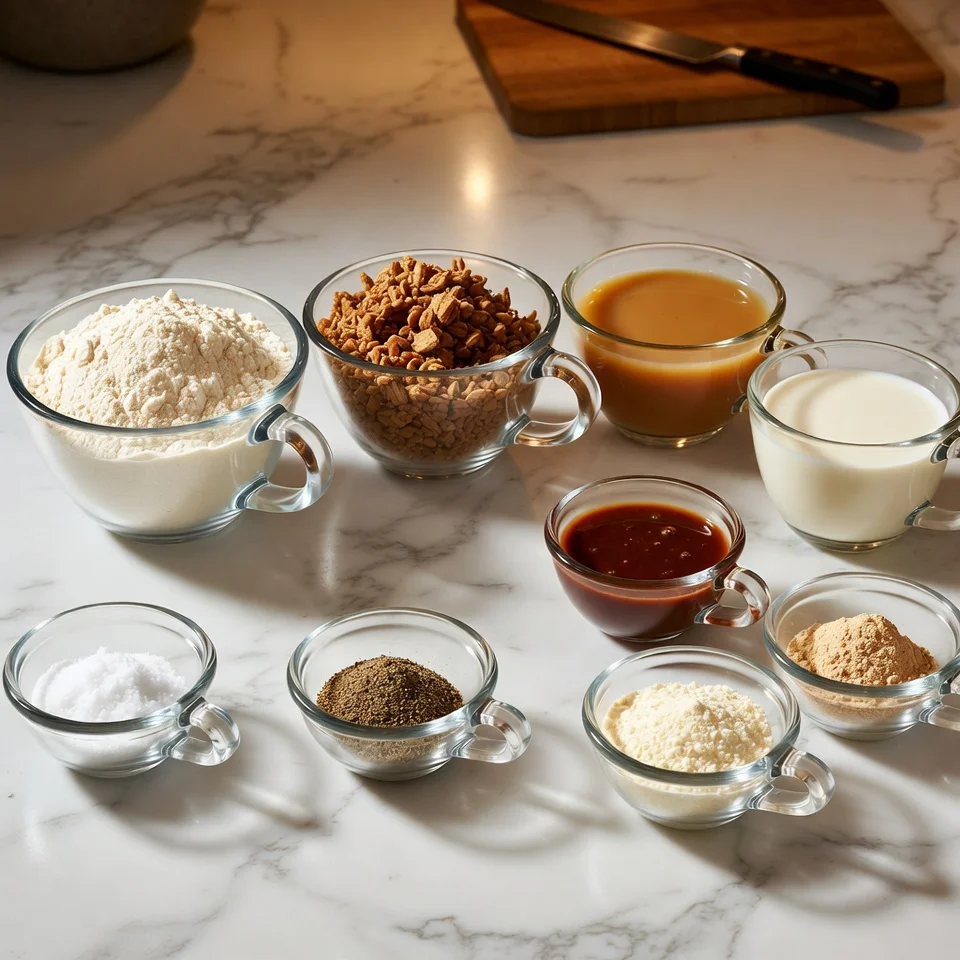
- ¼ cup turkey drippings or butter
- ¼ cup all-purpose flour
- 2–3 cups turkey stock or chicken stock
- Salt, to taste
- Black pepper, to taste
Optional Add-Ins / Flavor Boosters
- A splash of cream for richness
- A pinch of poultry seasoning
- Garlic powder or onion powder
- A few drops of Worcestershire sauce
How to Make the Best Turkey Gravy Recipe
Step 1: Prepare the Fat
In a saucepan, add turkey drippings from your roast dinner. If you don’t have drippings, melt butter instead. Heat over medium heat until warm and liquid.
Step 2: Make the Roux
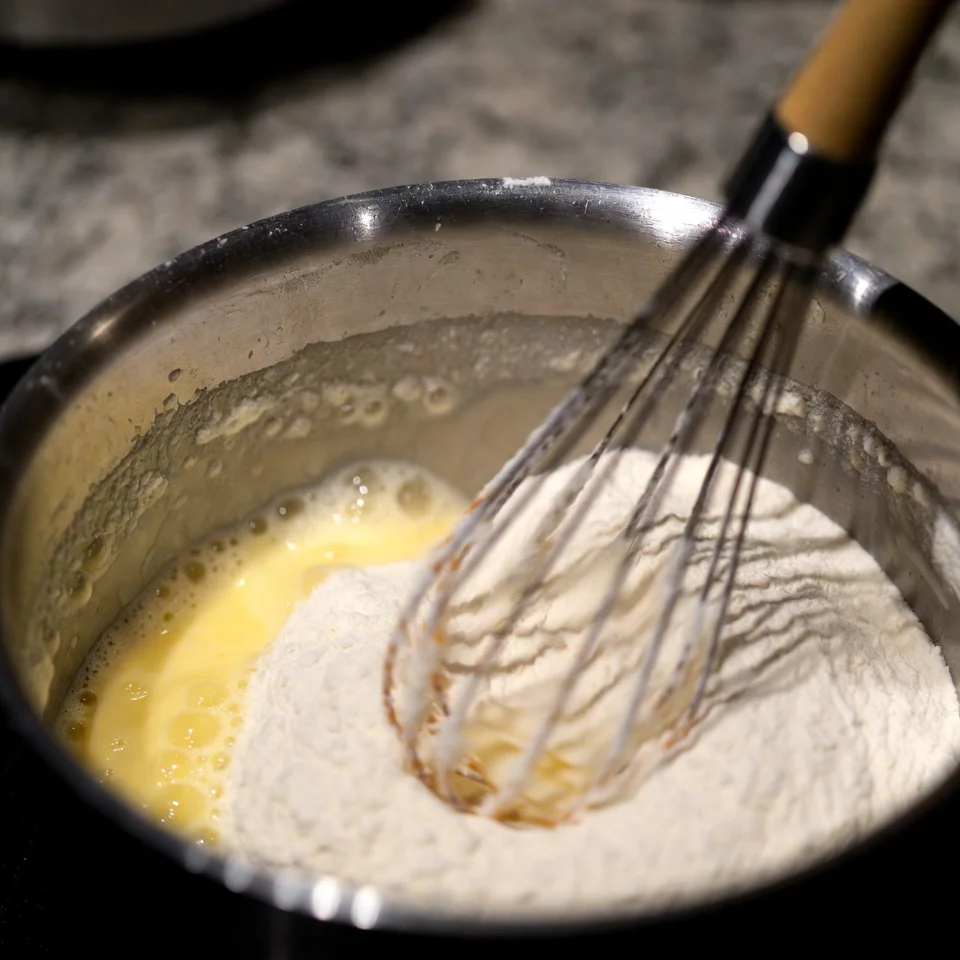
Sprinkle the flour evenly over the fat and whisk continuously. Cook for 1–2 minutes until the mixture turns slightly golden and smells nutty. This step removes the raw flour taste.
Step 3: Add the Liquid Slowly
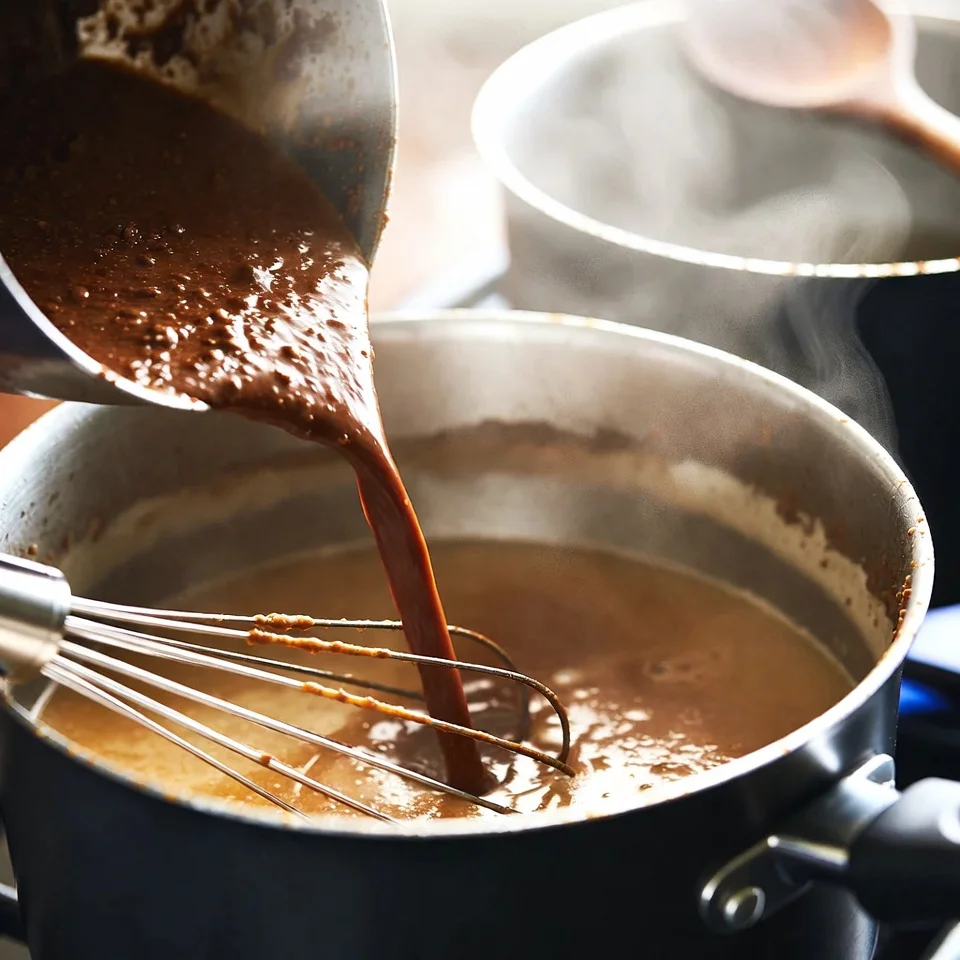
Gradually pour in turkey stock while whisking constantly. This prevents lumps and creates a smooth gravy base.
Step 4: Simmer and Thicken
Bring the gravy to a gentle simmer. Stir often as it thickens to your desired consistency.
Step 5: Season and Finish
Season with salt and pepper. Taste and adjust. Add optional ingredients if desired, then remove from heat.
Perfecting the Turkey Gravy Cooking Process
Add Your Touch to Turkey Gravy
If your gravy is too thick, whisk in more stock a little at a time. If it’s too thin, let it simmer longer. For extra depth, use a mix of turkey and chicken stock this works especially well when making gravy from frozen turkey or leftover turkey. Always taste at the end; seasoning makes all the difference.
Recipe More About : Garlic Butter Beef Sausage Bites with Creamy Parmesan Pasta
Storing and Reheating Turkey Gravy
Fridge
Store turkey gravy in an airtight container in the refrigerator for up to 3 days.
Reheating
Reheat gently on the stovetop, whisking frequently. Add a splash of stock or water if needed.
Meal Prep Tip
Make gravy ahead of time and reheat just before serving. It’s a lifesaver during busy roast dinners.
Servings
This recipe makes enough gravy for 6–8 servings, depending on portion size. It’s generous enough for a full roast dinner with turkey, mashed potatoes, and vegetables, and still leaves room for leftover turkey sandwiches the next day.
Nutrition Table
| Nutrient | Approx. Amount |
|---|---|
| Calories | 90 kcal |
| Protein | 2 g |
| Carbs | 7 g |
| Fat | 6 g |
| Fiber | 0 g |
| Sodium | 220 mg |
Chef’s Helpful Tips for the Best Turkey Gravy
- Whisk constantly when adding stock to avoid lumps.
- Cook the roux briefly for better flavor.
- Use warm stock for smoother gravy.
- Taste before adding salt drippings can be salty.
- Don’t rush; gentle heat gives the best texture.
- Strain gravy if you want an ultra-smooth finish.
FAQs About the Best Turkey Gravy Recipe
Q1: Can I make turkey gravy without drippings?
Yes. Butter and turkey or chicken stock work perfectly and still create a rich, flavorful gravy.
Q2: How do I fix lumpy turkey gravy?
Whisk vigorously or strain the gravy through a sieve. An immersion blender also works well.
Q3: Is this an easy turkey gravy for beginners?
Absolutely. This method is simple, forgiving, and ideal for first-time gravy makers.
Q4: Can I use this gravy with chicken instead of turkey?
Yes, it works beautifully as a turkey chicken gravy using chicken stock or drippings.
Q5: Can turkey gravy be made ahead of time?
Yes, it reheats well and is perfect for meal prep or holiday planning.
Conclusion for the Best Turkey Gravy Recipe
Now you know how to make the best turkey gravy recipe smooth, rich, and full of flavor every time. This is the kind of homemade turkey gravy that turns a good meal into a great one.
Whether you’re cooking for a big holiday roast dinner or using leftover turkey during the week, this easy turkey gravy will always have your back. Once you master it, gravy stress becomes a thing of the past.
Best Turkey Gravy Recipe
Ingredients
Method
- Place a saucepan over medium heat. Add turkey drippings directly from the roasting pan. If using butter instead, allow it to melt completely until foamy but not browned.
- Sprinkle flour evenly over the fat. Whisk continuously for 1–2 minutes until the mixture becomes smooth and slightly golden. This step is essential to remove the raw flour taste and create depth of flavor.
- While whisking constantly, slowly pour in the warm turkey or chicken stock. Start with 2 cups and whisk until the gravy is smooth with no lumps. Keep whisking as the gravy begins to thicken.
- Bring the gravy to a gentle simmer. Cook for 3–5 minutes, stirring often, until it reaches your preferred thickness. If it becomes too thick, add more stock a little at a time.
- Season with salt and black pepper. Taste and adjust seasoning as needed. Add optional ingredients like cream or poultry seasoning if desired. Remove from heat once silky and smooth.
Notes
- Always use warm stock, not cold, to prevent lumps.
- Whisk constantly while adding liquid for a smooth texture.
- If gravy is too thick, thin with additional warm stock.
- If gravy is too thin, simmer a few extra minutes uncovered.
- For ultra-smooth gravy, strain through a fine sieve before serving.
- This gravy works perfectly with turkey, chicken, mashed potatoes, stuffing, and vegetables.
- Leftover gravy can be reused with leftover turkey sandwiches or rice dishes.