
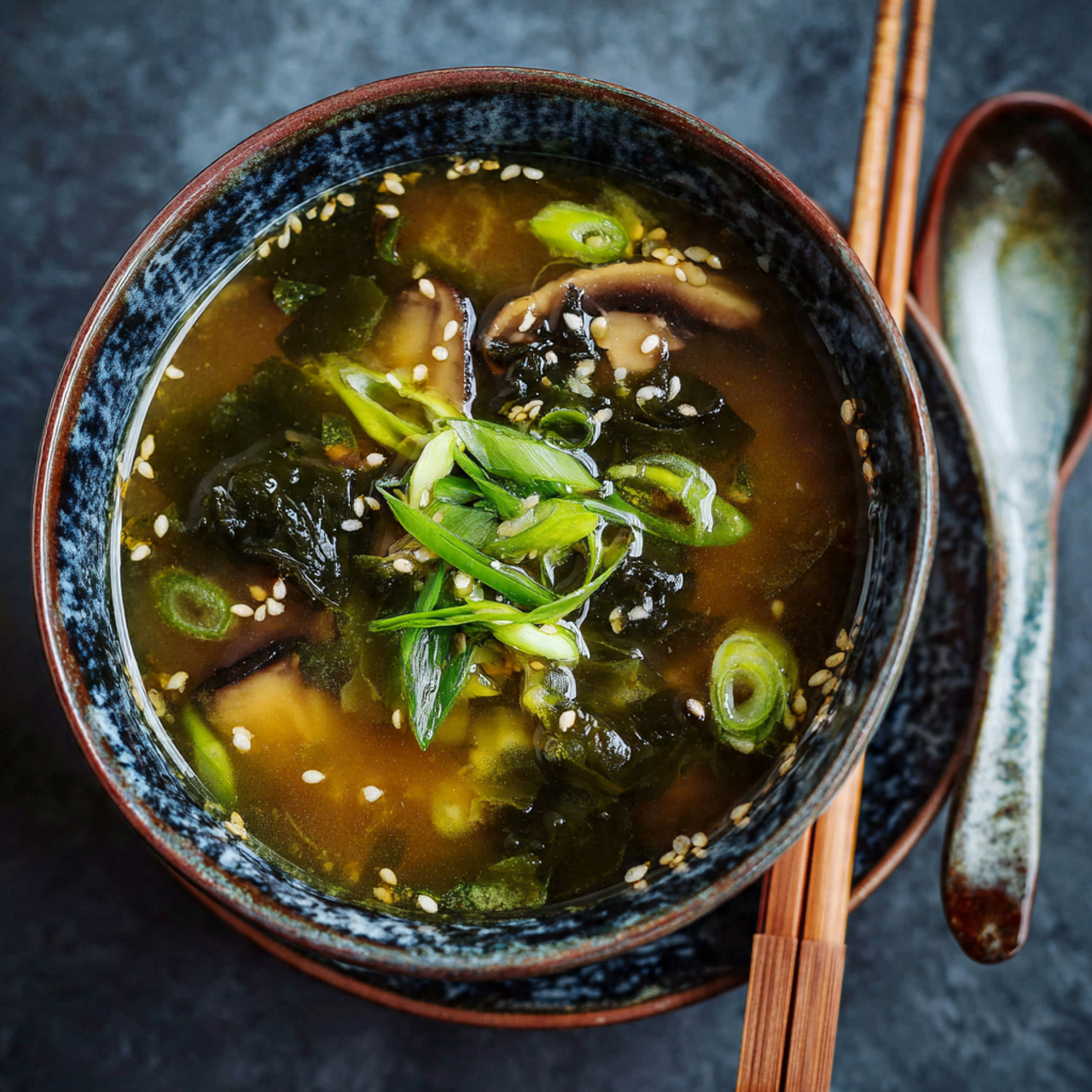
Authentic Miso Soup Recipe Warm, Comforting Japanese Classic
There is something incredibly calming about a warm bowl of miso soup. The gentle steam rising from the bowl carries a light, savory aroma that instantly feels soothing and comforting. A simple combination of miso paste, broth, tofu, and seaweed creates a delicate soup that is both nourishing and deeply satisfying.
The texture of miso soup is light and silky, yet the flavor is surprisingly rich. Each spoonful brings a balance of umami, warmth, and subtle saltiness that feels both refreshing and comforting at the same time. The soft tofu and tender seaweed add a beautiful contrast that makes the soup feel wholesome and satisfying.
What makes this miso soup recipe truly special is its simplicity. With just a few ingredients and a quick cooking process, you can recreate a traditional Japanese favorite right in your own kitchen. It’s the kind of recipe that feels peaceful, nourishing, and perfect for any time you want something warm and comforting.
Why You’ll Love This Miso Soup Recipe
Beautiful Texture or Appearance
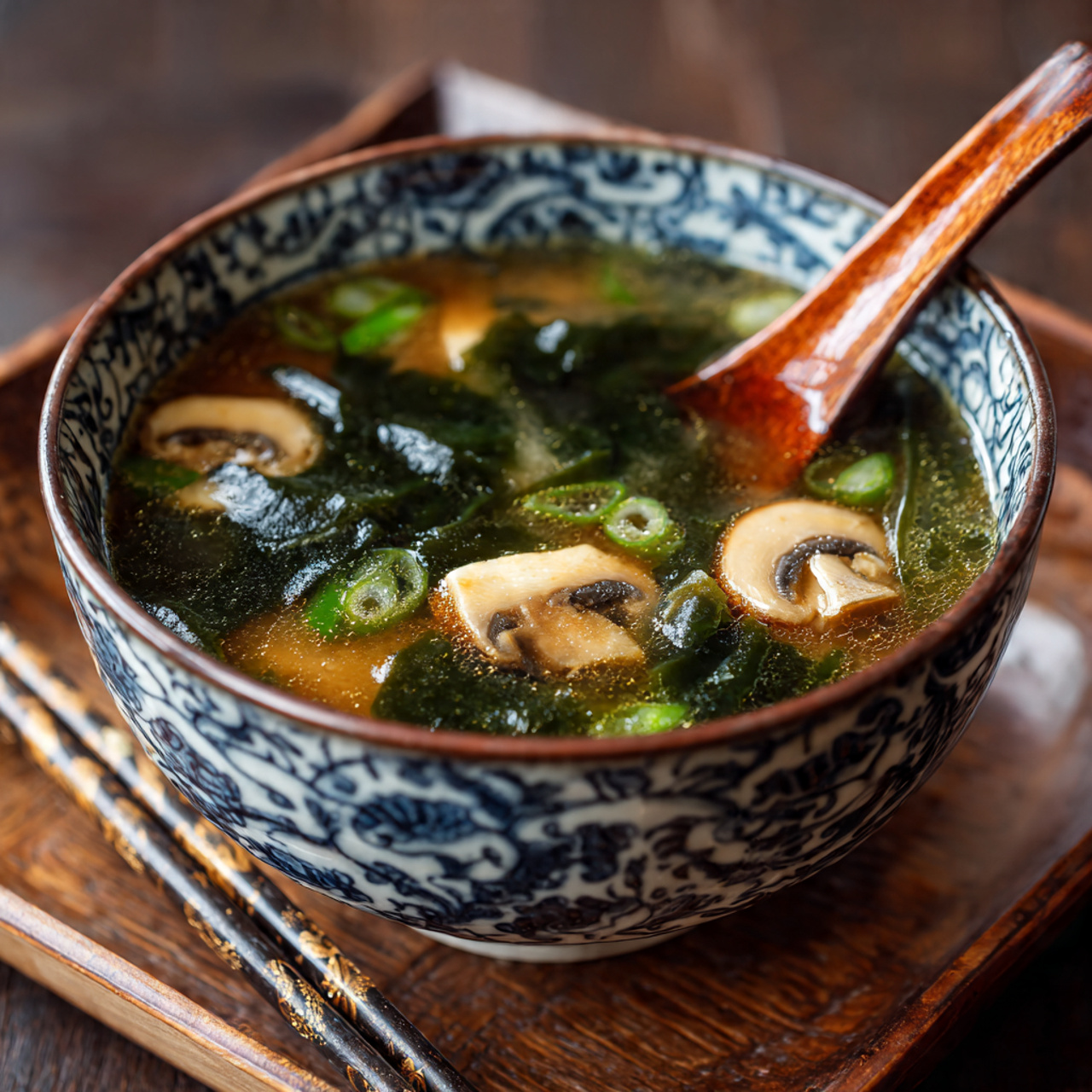
Miso soup has a delicate and inviting appearance. The cloudy golden broth with floating cubes of tofu and ribbons of seaweed creates a simple yet beautiful presentation that feels both elegant and comforting.
Rich / Healthy / Comforting Flavor
The miso paste brings a deep umami flavor that makes the broth taste rich even though the soup is very light. It’s warming, savory, and incredibly satisfying without feeling heavy.
Simple but Flavorful
One of the best things about this miso soup recipe is how simple it is. With only a handful of ingredients, you can create a soup that tastes complex, balanced, and restaurant-quality.
Perfect Anytime
Miso soup works wonderfully for breakfast, lunch, or dinner. It’s often served as a starter in Japanese meals, but it also makes a comforting light meal on its own.
Customizable
This recipe is easy to adapt depending on what you have at home. You can add mushrooms, spinach, noodles, or even seafood to create your own variation of miso soup.
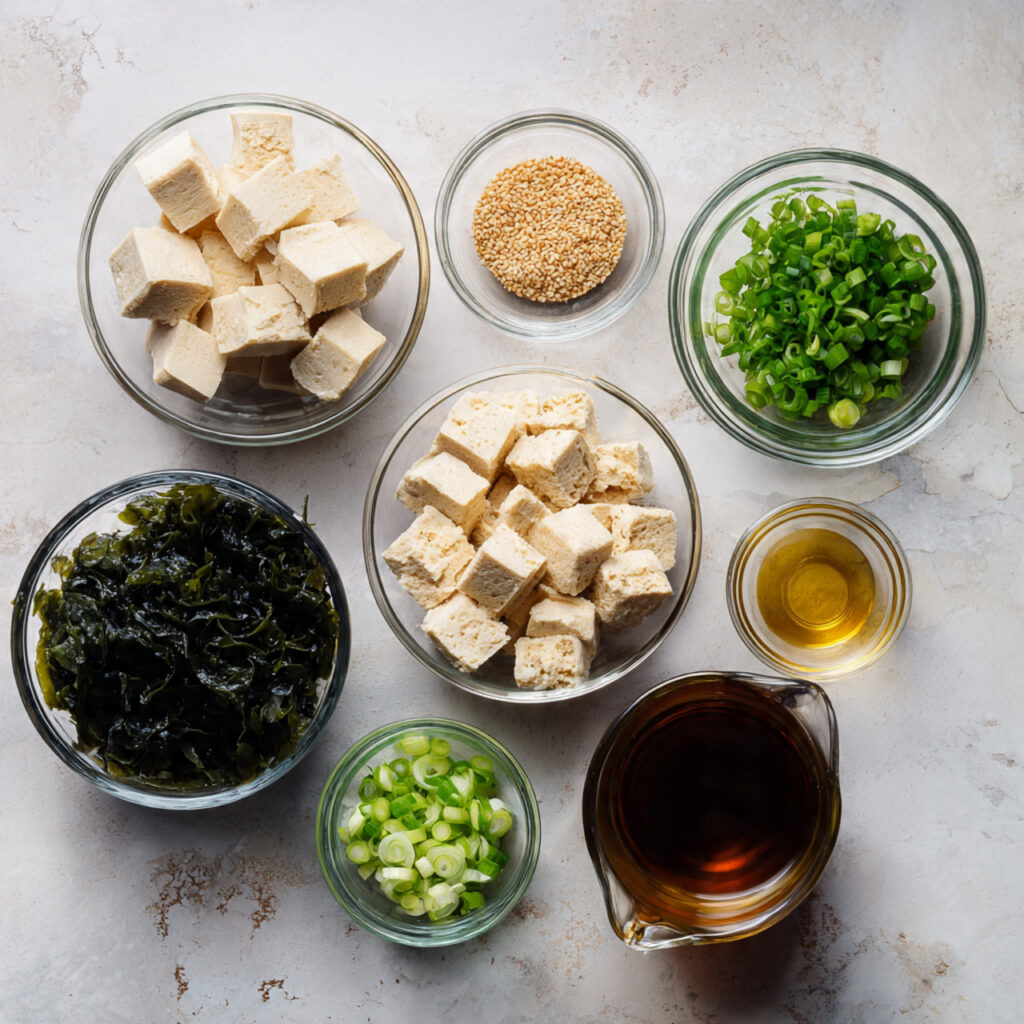
Ingredients for Miso Soup Recipe
Main Ingredients
- 4 cups dashi broth (or vegetable broth)
- 3 tablespoons white miso paste
- ½ cup soft tofu, cubed
- 1 tablespoon dried wakame seaweed
- 2 green onions, thinly sliced
- ½ teaspoon sesame oil
Optional Add-Ins / Toppings
- ½ cup sliced mushrooms
- ¼ cup spinach leaves
- ½ teaspoon grated ginger
- 1 teaspoon soy sauce
- Sesame seeds for garnish
- Cooked noodles
How to Make Miso Soup Recipe
Step 1: Prepare the Broth
Start by heating the dashi broth in a medium pot over medium heat. Allow it to warm gently without bringing it to a full boil.
Keeping the broth at a gentle simmer helps maintain the delicate flavor that miso soup is known for.

Step 2: Rehydrate the Seaweed
Place the dried wakame seaweed in a small bowl of warm water for about 5 minutes. The seaweed will expand and soften quickly.
Once it has softened, drain the water and set the seaweed aside.
Step 3: Add the Tofu
Gently add the tofu cubes into the warm broth. Let them heat slowly so they stay soft and keep their shape.
Tofu adds a delicate texture that balances beautifully with the light broth.
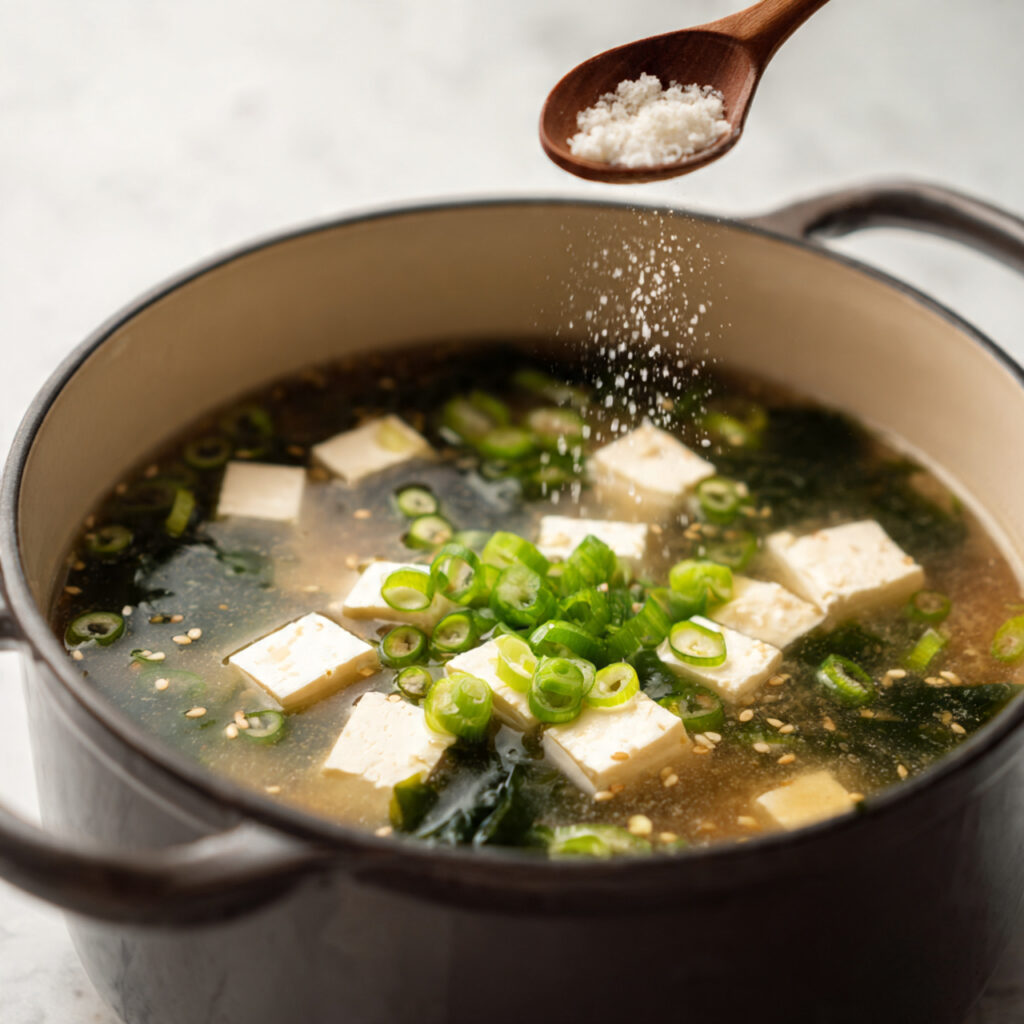
Step 4: Dissolve the Miso Paste
Place the miso paste in a small bowl and add a few tablespoons of the warm broth. Stir until the miso dissolves into a smooth mixture.
Pour the dissolved miso back into the soup and stir gently. Avoid boiling the soup after adding miso to preserve its flavor.

Step 5: Add the Seaweed and Seasoning
Add the softened wakame seaweed into the soup along with sesame oil. Stir gently so the ingredients combine evenly.
This step enhances the umami flavor and gives the soup its signature aroma.
Step 6: Finish with Green Onions
Turn off the heat and sprinkle sliced green onions over the soup just before serving.
The fresh onions add a light crunch and bright flavor that completes the bowl perfectly.
Perfecting Miso Soup Recipe
Add Your Touch
Use authentic miso paste for the most traditional flavor.
White miso creates a mild taste, while red miso adds a deeper flavor.
Always add miso paste after lowering the heat to protect its natural probiotics.
Soft tofu works best because it blends gently with the broth.
Fresh green onions bring brightness and color to the soup.
Adding mushrooms or spinach can increase both nutrition and texture.
A small drizzle of sesame oil adds a subtle nutty aroma.
Storing and Reheating Miso Soup Recipe
Fridge
Store leftover miso soup in an airtight container in the refrigerator for up to 2 days. The flavors often deepen slightly after resting.
Reheating
Reheat gently on the stove over low heat. Avoid boiling the soup because high heat can affect the flavor of the miso.
Meal Prep Tip
You can prepare the broth ahead of time and store it separately. When ready to serve, simply warm the broth and stir in the miso paste and toppings.
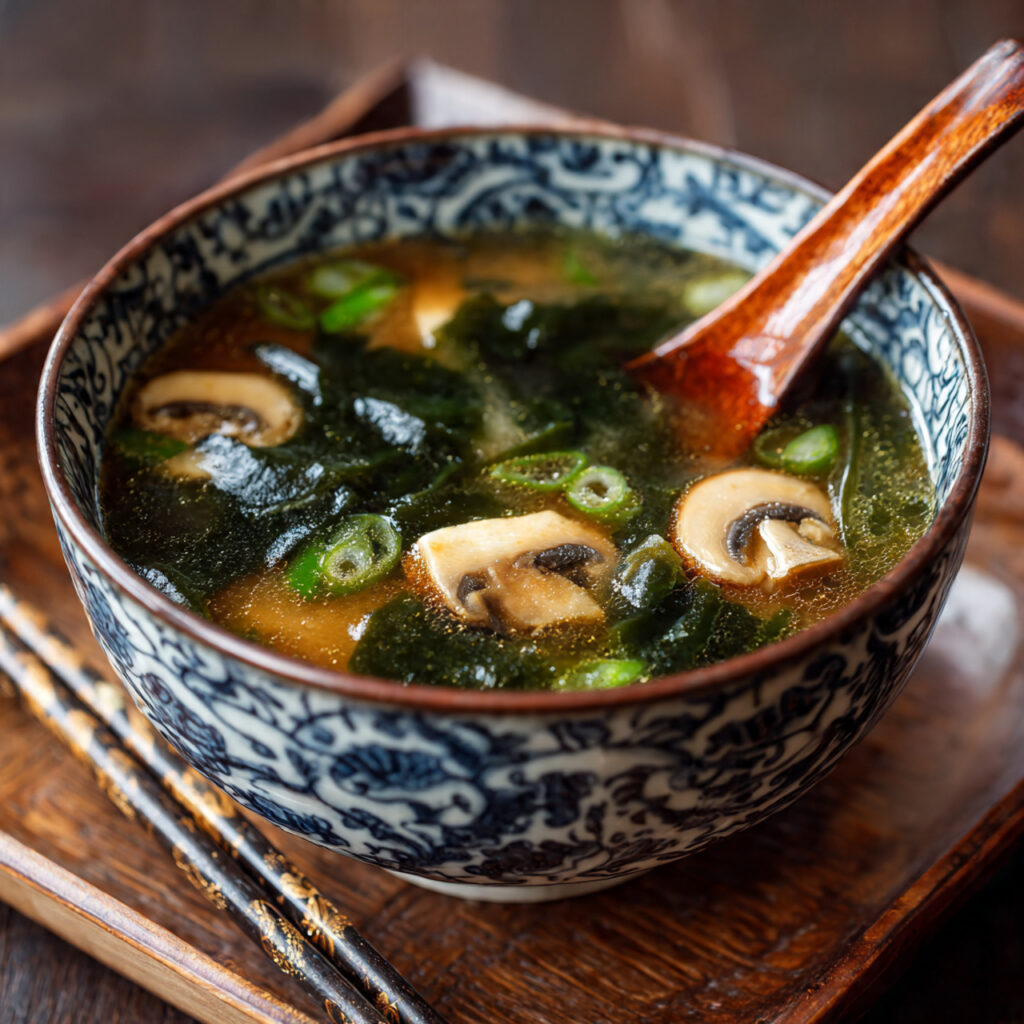
Serving Points
- Classic Japanese Starter: Serve a small bowl of miso soup before sushi or rice dishes for a traditional Japanese meal.
- Light Lunch: Pair the soup with steamed rice and vegetables for a simple and nourishing midday meal.
- Cozy Dinner Side: Serve alongside grilled fish or chicken to create a warm and balanced dinner.
- Healthy Comfort Meal: Enjoy a larger bowl with tofu and vegetables for a light yet satisfying meal.
- Brunch Option: Serve miso soup with eggs and rice for a comforting Japanese-inspired breakfast.
Visit Also : Oatmeal Chocolate Chip Cookie
Nutrition Table
| Nutrient | Amount (Per Serving) |
|---|---|
| Calories | 90 kcal |
| Protein | 6 g |
| Carbs | 7 g |
| Fat | 3 g |
| Fiber | 1 g |
| Sodium | 720 mg |
Chef’s Helpful Tips for Miso Soup Recipe
- Always dissolve miso paste in warm broth before adding it to the soup to prevent lumps.
- Never boil miso soup after adding the miso because it can reduce flavor quality.
- Use soft or silken tofu for the best texture in traditional miso soup.
- Taste the soup before adding salt because miso already contains natural saltiness.
- Fresh dashi broth will give the most authentic flavor compared to regular broth.
- Add vegetables like mushrooms or spinach for a more filling soup.
- Serve the soup immediately while it is warm for the best flavor and aroma.
FAQs About Miso Soup Recipe
Q1: Can I make miso soup without dashi?
Yes, vegetable broth works as a good substitute if dashi is not available.
Q2: What type of miso paste should I use?
White miso is mild and slightly sweet, making it a great choice for beginners.
Q3: Can miso soup be made vegan?
Yes, simply use vegetable broth instead of fish-based dashi.
Q4: Why should miso soup not be boiled?
Boiling can damage the flavor and beneficial probiotics found in miso paste.
Q5: Can I add noodles to miso soup?
Yes, noodles like soba or udon can turn the soup into a heartier meal.
Conclusion
This miso soup recipe proves that simple ingredients can create something truly comforting and satisfying. The delicate broth, soft tofu, and savory miso combine to create a bowl that feels warm, nourishing, and deeply relaxing.
It’s a recipe that comes together quickly but delivers rich flavor and traditional comfort. Whether you serve it as a starter, a light lunch, or part of a larger meal, miso soup always feels soothing and satisfying.
Once you try making miso soup at home, you’ll discover how easy it is to enjoy this classic Japanese dish anytime you want something warm, light, and comforting.
Miso Soup Recipe
Ingredients
Method
- Heat the dashi broth in a pot over medium heat until warm.
- Soak the dried wakame seaweed in warm water for 5 minutes, then drain.
- Add tofu cubes to the warm broth and let them heat gently.
- Dissolve miso paste in a small bowl with a little warm broth.
- Stir the dissolved miso mixture back into the soup.
- Add the wakame seaweed and sesame oil.
- Turn off the heat and add sliced green onions.
- Serve warm and enjoy immediately.
Notes
- Store leftover soup in the refrigerator for up to 2 days.
- Do not boil the soup after adding miso paste.
- Add mushrooms or spinach for extra nutrition.
- White miso creates a mild flavor while red miso is stronger.
- Fresh dashi broth gives the best authentic taste.