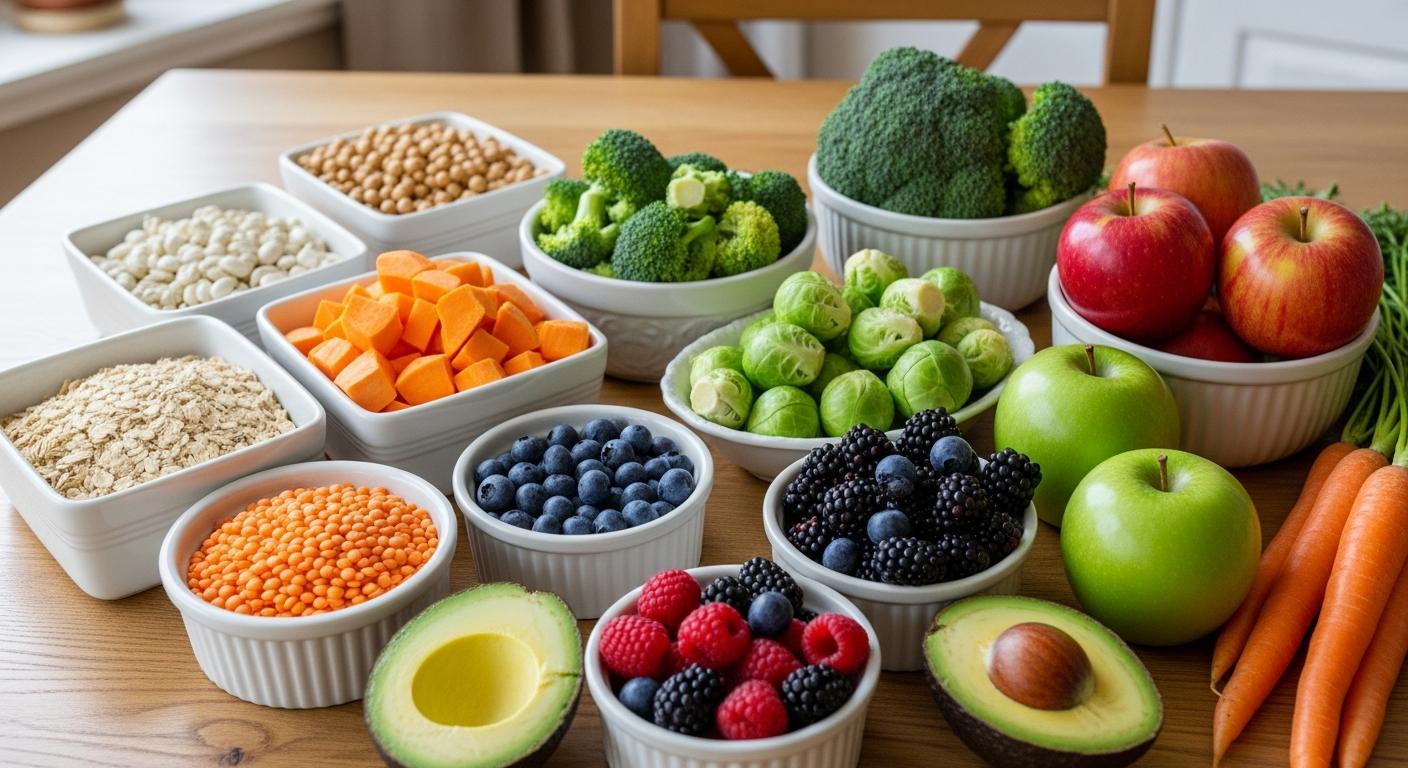
Introduction to High-Fiber Foods
High-Fiber Foods are an important part of a balanced diet because they support digestion, help maintain regular bowel movements, and may help you feel full for longer. Beans, oats, apples, lentils, chia seeds, and vegetables are examples of foods that provide dietary fiber. Adding these foods to everyday meals can be a simple way to improve eating habits without relying on expensive products or supplements. However, increasing fiber too quickly may cause gas, bloating, or stomach discomfort, especially when you do not drink enough water. Understanding the benefits and possible mistakes can help you enjoy High-Fiber Foods safely and consistently.
Table of Contents
- What Are High-Fiber Foods?
- 7 Powerful High-Fiber Foods
- Benefits of High-Fiber Foods
- Common Mistakes and Hidden Risks
- High-Fiber Foods Comparison Table
- Graph of Fiber Content
- How to Add More Fiber to Your Diet
- Conclusion
What Are High-Fiber Foods?
High-Fiber Foods contain dietary fiber, a type of carbohydrate found in plant-based foods that the body does not fully digest. Fiber supports several important functions, including bowel regularity and digestive health. Some types of fiber dissolve in water and form a gel-like substance, while others help add bulk to stool.
Soluble fiber is found in foods such as oats, beans, apples, and some seeds. It can help support healthy cholesterol levels and may slow the absorption of sugar. Insoluble fiber, found in whole grains and many vegetables, helps move material through the digestive system.

Most adults are advised to consume approximately 25–38 grams of fiber per day, depending on age, sex, and energy needs. Individual requirements vary, and people with certain digestive conditions may need personalized advice.
7 Powerful High-Fiber Foods for Better Digestion
1. High-Fiber Foods Like Lentils
Lentils are an affordable source of fiber, plant-based protein, iron, and other nutrients. They are especially useful in Pakistani meals because they can be prepared as daal, added to soups, or combined with vegetables.
A cooked cup of lentils contains approximately 15–16 grams of fiber, although the exact amount depends on the variety and preparation. This makes lentils a practical option for people who want to increase their daily fiber intake through familiar foods.
To enjoy lentils, cook them until soft and serve them with roti, brown rice, or vegetables. If you are not used to eating much fiber, begin with a smaller serving. Large portions introduced suddenly may cause gas or bloating.
2. High-Fiber Foods Like Oats
Oats are a convenient breakfast choice because they contain soluble fiber, including beta-glucan. This type of fiber can help support healthy cholesterol levels when eaten regularly as part of an appropriate diet.

A serving of dry oats weighing around 40 grams usually provides about 4 grams of fiber, depending on the product. You can prepare oats with milk or water and add fruit, nuts, or seeds for additional nutrients.
Avoid turning a healthy bowl of oats into a dessert loaded with added sugar. Instead, use bananas, apples, cinnamon, or a small portion of nuts to improve flavor. Oats are easy to prepare, making them a useful option for busy mornings.
3. High-Fiber Foods Like Chia Seeds
Chia seeds contain substantial fiber in a small serving. Two tablespoons generally provide around 9–10 grams, although nutritional values differ slightly between brands.
When chia seeds absorb liquid, they swell and form a gel. You can mix them into yogurt, oatmeal, or a prepared pudding. Their fiber may help support fullness and regular bowel movements as part of a balanced diet.
One important mistake is swallowing large quantities of dry chia seeds without enough liquid. They expand when wet, so it is safer to soak them or mix them thoroughly into moist foods. People who have swallowing difficulties should seek professional advice before using them.
4. High-Fiber Foods Like Apples
Apples are a convenient fruit that provides fiber, water, and naturally occurring carbohydrates. A medium apple with its skin contains approximately 4–5 grams of fiber.
The skin contributes a useful portion of the apple’s fiber, so washing the fruit and eating it unpeeled can help you get more of its nutritional value. Apples also make an easy snack for school, work, or travel.
Pairing an apple with unsweetened yogurt or a small portion of nuts can create a more satisfying snack. However, some people with sensitive digestive systems may experience discomfort from certain fruits. If apples repeatedly trigger symptoms, consider other fruits that suit your needs.
5. High-Fiber Foods Like Chickpeas
Chickpeas are a valuable source of fiber, plant protein, folate, and several minerals. They are widely used in Pakistani cooking, including chana curry, chana chaat, and chickpea salads.
One cooked cup of chickpeas provides approximately 12–13 grams of fiber. This can contribute significantly to daily intake while also adding protein to a meal.
For an easy lunch, combine boiled chickpeas with cucumber, tomato, coriander, and lemon juice. Canned chickpeas can also be convenient; drain and rinse them if you want to reduce some of the added sodium. Increase portions gradually because chickpeas may cause gas in people who are not accustomed to legumes.
6. High-Fiber Foods Like Broccoli
Broccoli provides fiber along with vitamin C, vitamin K, folate, and other nutrients. It can be steamed, roasted, or added to soups and mixed vegetable dishes.
One cooked cup of chopped broccoli generally contains around 5 grams of fiber. Its nutritional value makes it a useful addition to meals, especially when paired with whole grains and a protein source.
Avoid overcooking broccoli until it becomes excessively soft if you prefer a firmer texture. Steaming or lightly roasting it can help maintain its appeal. If raw vegetables cause digestive discomfort, cooked broccoli may be easier for you to tolerate.
7. High-Fiber Foods Like Pears
Pears are a sweet fruit that provides fiber and water. A medium pear with its skin usually contains approximately 5–6 grams of fiber.
You can eat pears as a snack, chop them into oatmeal, or combine them with plain yogurt. Their natural sweetness can also help satisfy a desire for something sweet without relying on sugary snacks.
As with apples, the skin contributes to the fiber content, so wash pears before eating them unpeeled. People who experience digestive symptoms from certain fruits may need to adjust portions or choose alternatives.
Benefits of High-Fiber Foods
High-Fiber Foods Support Digestive Health
Fiber helps maintain regular bowel movements and can reduce constipation for many people. Certain fibers absorb water, while others add bulk to stool. Adequate fluid intake is important because increasing fiber without enough liquid can worsen constipation.
High-Fiber Foods May Support Heart Health
Soluble fiber, especially the beta-glucan found in oats and barley, can help lower LDL cholesterol when consumed as part of a healthy eating pattern. Beans, lentils, fruits, and vegetables also contribute to a heart-friendly diet.
High-Fiber Foods Help You Feel Full
Fiber-rich meals may increase fullness and make it easier for some people to manage hunger between meals. Whole grains, legumes, vegetables, and fruit can add volume to meals without requiring large amounts of highly processed foods.
Fiber alone does not guarantee weight loss. Overall food intake, activity, sleep, and other factors also influence body weight.
High-Fiber Foods Support Blood Sugar Management
Some types of fiber slow digestion and the absorption of carbohydrates, which may help moderate rises in blood glucose after meals. Whole foods such as beans, oats, and vegetables can be useful components of a balanced eating plan. People with diabetes should follow individualized medical and dietary guidance.
Common Mistakes and Hidden Risks of High-Fiber Foods
Mistake 1: Increasing Fiber Too Quickly
Eating a large amount of fiber suddenly can cause gas, bloating, cramps, or changes in bowel movements. Increase your intake gradually over several days or weeks, depending on your comfort level.
Mistake 2: Not Drinking Enough Water
Fiber works best when paired with adequate fluid intake. If you increase fiber while drinking very little water, constipation may become worse. Drink water regularly throughout the day unless a healthcare professional has advised you to limit fluids.
Mistake 3: Depending on Supplements Instead of Food
Fiber supplements can be helpful for some people, but they should not automatically replace a varied diet. Whole foods provide vitamins, minerals, and other beneficial plant compounds in addition to fiber.
Mistake 4: Ignoring Individual Digestive Conditions
People with irritable bowel syndrome, intestinal narrowing, or certain digestive disorders may not tolerate every high-fiber food equally well. Some may need to limit specific fibers or temporarily follow a lower-fiber diet under professional guidance.
If you have persistent abdominal pain, vomiting, blood in your stool, or a sudden change in bowel habits, seek medical advice rather than simply adding more fiber.
High-Fiber Foods Comparison Table
| Food | Approximate Serving | Approximate Fiber |
|---|---|---|
| Lentils, cooked | 1 cup | 15–16 g |
| Chickpeas, cooked | 1 cup | 12–13 g |
| Chia seeds | 2 tablespoons | 9–10 g |
| Broccoli, cooked | 1 cup | About 5 g |
| Pear with skin | 1 medium | 5–6 g |
| Apple with skin | 1 medium | 4–5 g |
| Dry oats | 40 g | About 4 g |
Values are approximate and vary by variety, serving size, brand, and cooking method.
Graph of Fiber Content in High-Fiber Foods
The following graph compares the approximate fiber content of the servings listed in the table.
Approximate fiber per serving
Lentils — 15.5 g: ███████████████
Chickpeas — 12.5 g: █████████████
Chia seeds — 9.5 g: ██████████
Broccoli — 5 g: █████
Pear — 5.5 g: ██████
Apple — 4.5 g: █████
Oats — 4 g: ████
Each block represents approximately 1 gram of fiber. The graph uses rounded estimates, not laboratory measurements.
The graph shows that lentils and chickpeas provide substantial fiber per cooked cup. Chia seeds also contain a high amount in a relatively small serving, while fruits and vegetables provide useful fiber alongside water and other nutrients.
How to Add More High-Fiber Foods to Your Diet
Start Breakfast With High-Fiber Foods
Replace a low-fiber breakfast with oats, whole-wheat roti, or whole-grain bread. Adding an apple or pear can increase fiber further. Make changes gradually so your digestive system has time to adjust.
Include High-Fiber Foods at Lunch and Dinner
Add lentils, chickpeas, beans, or vegetables to regular meals. For example, you can eat daal with whole-wheat roti, prepare chickpea salad for lunch, or serve broccoli with rice and chicken.
Choose Whole Grains More Often
Whole-wheat flour, oats, and brown rice generally provide more fiber than refined versions. Switching some refined grains to whole grains is a simple way to increase intake without changing your meals completely.
Increase High-Fiber Foods Gradually
Begin by adding one fiber-rich food to a meal and increase the amount as tolerated. Drink enough water and pay attention to your body’s response. There is no need to change your entire diet overnight.
Conclusion: High-Fiber Foods for Better Digestion
High-Fiber Foods such as lentils, oats, chia seeds, apples, chickpeas, broccoli, and pears can support digestive health and contribute to a balanced diet. They may also help with fullness, cholesterol management, and blood sugar control when included in an overall healthy eating pattern.
The key is to increase fiber gradually, drink adequate water, and choose a variety of plant-based foods. Eating excessive amounts too quickly can cause discomfort, and some people with digestive conditions need personalized guidance.
Start with simple changes, such as adding oats at breakfast, lentils at lunch, or a piece of fruit as a snack. Consistent habits can make it easier to get the benefits of fiber without unnecessary discomfort.