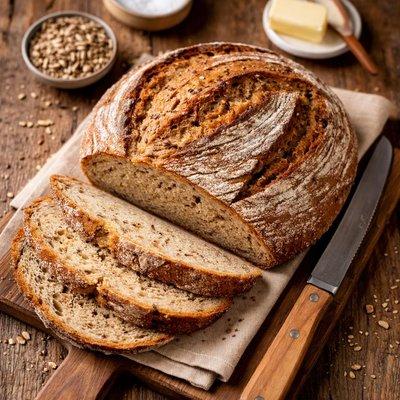
Sourdough recipes are becoming popular among home bakers because they offer rich flavor, a chewy texture, and many creative ways to use homemade sourdough bread. From classic sourdough loaves to pancakes, pizza crust, and crackers, these recipes can help you turn a sourdough starter into delicious meals. However, successful sourdough baking requires patience, correct fermentation, and proper measurements. In this guide, you will discover seven easy sourdough recipes, helpful baking tips, and common mistakes to avoid.
Focus Keyword: Sourdough Recipes
Low-Competition Keyword: Easy Sourdough Recipes for Beginners
Table of Contents: Sourdough Recipes
- Introduction to Sourdough Recipes
- Classic Sourdough Bread Recipe
- Sourdough Pancakes Recipe
- Sourdough Pizza Crust Recipe
- Sourdough Crackers Recipe
- Sourdough Sandwich Bread Recipe
- Sourdough Banana Bread Recipe
- Sourdough Flatbread Recipe
- Sourdough Baking Benefits and Common Mistakes
- Sourdough Recipes Comparison Table
- Sourdough Baking Graph
- Conclusion and Related Picks
1. Classic Sourdough Recipes for Homemade Bread
Classic sourdough bread is one of the most rewarding recipes to prepare at home. Its chewy interior, crisp crust, and slightly tangy flavor make it a favorite for breakfast, sandwiches, and dinner.
To prepare one loaf, you will need 500 grams of bread flour, 350 grams of water, 100 grams of active sourdough starter, and 10 grams of salt. Mix the flour and water, then let the mixture rest for about 30 minutes. Add the active starter and salt, mixing until everything is combined.

Allow the dough to ferment at room temperature, performing a few gentle stretches and folds during the first two hours. The total fermentation time depends on room temperature and starter strength. Once the dough has risen and developed an airy structure, shape it and allow it to proof.
Bake in a preheated Dutch oven at approximately 230°C (450°F), following a suitable baking schedule for your loaf. Let the bread cool before slicing.
Helpful tip: An active starter should show signs of fermentation, such as bubbles and noticeable growth. Using an inactive starter may result in dense bread.
2. Easy Sourdough Recipes for Fluffy Pancakes
Sourdough pancakes are a delicious way to use leftover starter discard. They are soft inside, lightly crisp around the edges, and easy to customize with fruit or other toppings.
For a simple batch, combine one cup of sourdough discard, one cup of flour, one egg, three-quarters of a cup of milk, one tablespoon of sugar, two tablespoons of melted butter, and a pinch of salt. Add about one teaspoon of baking powder just before cooking. Adjust the milk if the batter is too thick.
Heat a lightly greased pan over medium heat. Pour small portions of batter into the pan and cook until bubbles appear on the surface. Flip and cook the other side until golden.
Serve with fresh berries, sliced bananas, yogurt, or a small amount of syrup.
These pancakes are useful when you want a quick breakfast without maintaining a separate baking project. Remember that sourdough discard is not necessarily active enough to raise pancakes by itself, so baking powder helps provide a light texture.
3. Powerful Sourdough Recipes for Homemade Pizza Crust
Sourdough pizza crust adds a pleasant tang and chewy texture to homemade pizza. It works well with vegetables, cheese, tomato sauce, and other favorite toppings.
Combine 500 grams of flour, 325 grams of water, 100 grams of active sourdough starter, 10 grams of salt, and one tablespoon of olive oil. Mix until a dough forms, then knead gently or use stretch-and-fold movements to develop its structure.
Let the dough ferment until it becomes noticeably expanded and easier to handle. Depending on the temperature and starter activity, this may take several hours. Divide the dough into portions and shape them into rounds.
Add tomato sauce, mozzarella, vegetables, or other toppings. Bake on a preheated pizza stone or hot baking tray at a high oven temperature until the crust is browned and the toppings are cooked.
Common mistake: Adding too much sauce or wet toppings can make the center soggy. Use a moderate amount of sauce and avoid overcrowding the pizza.
4. Easy Sourdough Recipes for Crispy Crackers
Sourdough crackers are a practical option for using leftover starter discard. They are thin, crunchy, and suitable for serving with cheese, hummus, or dips.

Mix one cup of sourdough discard with one cup of flour, two tablespoons of olive oil or melted butter, half a teaspoon of salt, and your preferred seasonings. Garlic powder, dried herbs, sesame seeds, or black pepper can add extra flavor.
Roll the dough very thinly between sheets of baking paper. Cut it into small squares and transfer the pieces to a baking tray. Bake at approximately 175°C (350°F) until the crackers are dry and lightly golden, usually around 15–25 minutes depending on thickness.
Watch the tray closely because thin crackers can burn quickly. Let them cool completely before storing them in an airtight container.
For a more flavorful result, experiment with rosemary, paprika, or mixed seeds. Avoid making the dough too thick, because thicker pieces may stay soft in the middle.
5. Best Sourdough Recipes for Soft Sandwich Bread
Sourdough sandwich bread is ideal for toast, school lunches, and everyday sandwiches. Unlike a rustic loaf, this version is usually baked in a loaf pan and shaped for even slices.
Combine 450 grams of bread flour, 100 grams of active sourdough starter, 250 grams of water or milk, 30 grams of softened butter or oil, 20 grams of sugar or honey, and 9 grams of salt.
Mix the ingredients and knead until the dough becomes smooth and elastic. Let it ferment until it has grown noticeably. Shape it into a log, place it in a greased loaf pan, and allow it to rise again until puffy.
Bake at approximately 190°C (375°F) until the loaf is browned and cooked through. Let it cool before slicing so that the inside can set properly.
This bread can be softer than a traditional crusty sourdough loaf, particularly when made with milk or a little fat. However, adding excessive flour during kneading can make the finished loaf dry and heavy.
6. Delicious Sourdough Recipes for Banana Bread
Sourdough banana bread is a tasty way to use ripe bananas and sourdough discard. It is different from traditional sourdough bread because it is generally a quick bread leavened with baking soda or baking powder rather than relying on starter fermentation alone.
Mash three ripe bananas in a bowl. Mix in one egg, one-third cup of oil or melted butter, half a cup of sugar, and half a cup of sourdough discard. In another bowl, combine one and a half cups of flour, one teaspoon of baking soda, a pinch of salt, and a little cinnamon.
Combine the wet and dry ingredients without overmixing. Transfer the batter to a greased loaf pan and bake at approximately 175°C (350°F) for 50–65 minutes, checking the center with a toothpick.
Allow the loaf to cool before cutting. You can add walnuts or chocolate chips if desired.
The most common mistake is using bananas that are not ripe enough. Ripe bananas provide more sweetness and a softer texture, while excessive mixing can make the loaf dense.
7. Simple Sourdough Recipes for Homemade Flatbread
Sourdough flatbread is a flexible option for wraps, quick lunches, and serving alongside soups or curries. It can be cooked in a skillet without needing a conventional oven.
Combine two cups of flour, half a cup of sourdough discard, about half a cup of water or yogurt, one tablespoon of olive oil, and half a teaspoon of salt. Add liquid gradually until a soft dough forms.
Let the dough rest for around 30–60 minutes. Divide it into small balls and roll each one into a thin circle. Heat a skillet over medium-high heat and cook each flatbread for roughly one to two minutes per side, adjusting the heat as needed.
Small bubbles and brown spots are signs that the bread is cooking properly. Brush lightly with olive oil or butter after cooking if you prefer a softer texture.
You can use the flatbreads for wraps, serve them with lentils, or pair them with roasted vegetables. Avoid rolling them too thickly, because thick pieces may remain doughy in the center.
Sourdough Recipes: Benefits and Common Mistakes
Sourdough baking offers several practical advantages. Homemade bread allows you to control the ingredients, adjust the flavor, and experiment with different flours. Fermentation also creates the characteristic tangy taste and can change the structure of the dough.
Some sourdough fermentation processes may reduce certain compounds, such as phytate, in whole-grain bread. However, the nutritional effects vary by recipe, flour, and fermentation conditions. Sourdough bread is not automatically gluten-free, and ordinary sourdough should not be considered safe for people with celiac disease.
The biggest mistake beginners make is following the clock instead of observing the dough. Fermentation speed changes with temperature, starter activity, and flour type. Another common problem is using too much flour when shaping, which can create a dry loaf.
Incorrect storage can also affect freshness. Store fully cooled bread in a suitable bread bag or container, and freeze portions you will not eat soon. Refrigeration can make bread stale faster, so freezing is often a better option for longer storage.
Sourdough Recipes Comparison Table
| Sourdough recipe | Main ingredient | Approximate preparation time | Skill level |
|---|---|---|---|
| Classic sourdough bread | Bread flour | 8–24 hours, including fermentation | Intermediate |
| Sourdough pancakes | Starter discard | 20–30 minutes | Beginner |
| Sourdough pizza crust | Bread flour | 5–12 hours, depending on fermentation | Intermediate |
| Sourdough crackers | Starter discard | 30–45 minutes | Beginner |
| Sandwich bread | Bread flour | 5–10 hours, depending on fermentation | Intermediate |
| Banana bread | Bananas and discard | 60–80 minutes | Beginner |
| Sourdough flatbread | Flour and starter discard | 30–60 minutes | Beginner |
Times are estimates. Actual preparation and fermentation depend on your recipe, starter activity, and kitchen temperature.
Sourdough Recipes Baking-Time Graph
The following text graph compares approximate active preparation and cooking time for three quick sourdough recipes. It excludes long fermentation periods.
Approximate total hands-on and cooking time
Sourdough Pancakes   █████                 25 min
Sourdough Crackers   ████████              40 min
Sourdough Banana Bread █████████████       70 min
These figures are estimates rather than laboratory measurements. Pancakes are usually the fastest choice, crackers take longer because they need to become crisp, and banana bread requires a longer baking period.
Sourdough Recipes: Final Tips for Better Results
The best way to improve your sourdough recipes is to practice consistently and make small adjustments. Use a kitchen scale for more accurate measurements, keep notes about fermentation times, and observe how your dough changes during rising.
Choose pancakes, crackers, or flatbread if you want to use starter discard quickly. Try classic sourdough bread or sandwich bread when you have more time for fermentation. Pizza crust is a useful weekend project, while banana bread is a convenient way to use ripe fruit.
Do not expect every loaf to look perfect on the first attempt. Temperature, flour, hydration, and starter activity all influence the result. With patience and careful observation, you can build confidence and discover which sourdough recipes suit your kitchen best.
Homemade sourdough can bring variety and flavor to everyday meals. Start with a beginner-friendly recipe, avoid rushing fermentation, and enjoy learning one bake at a time.