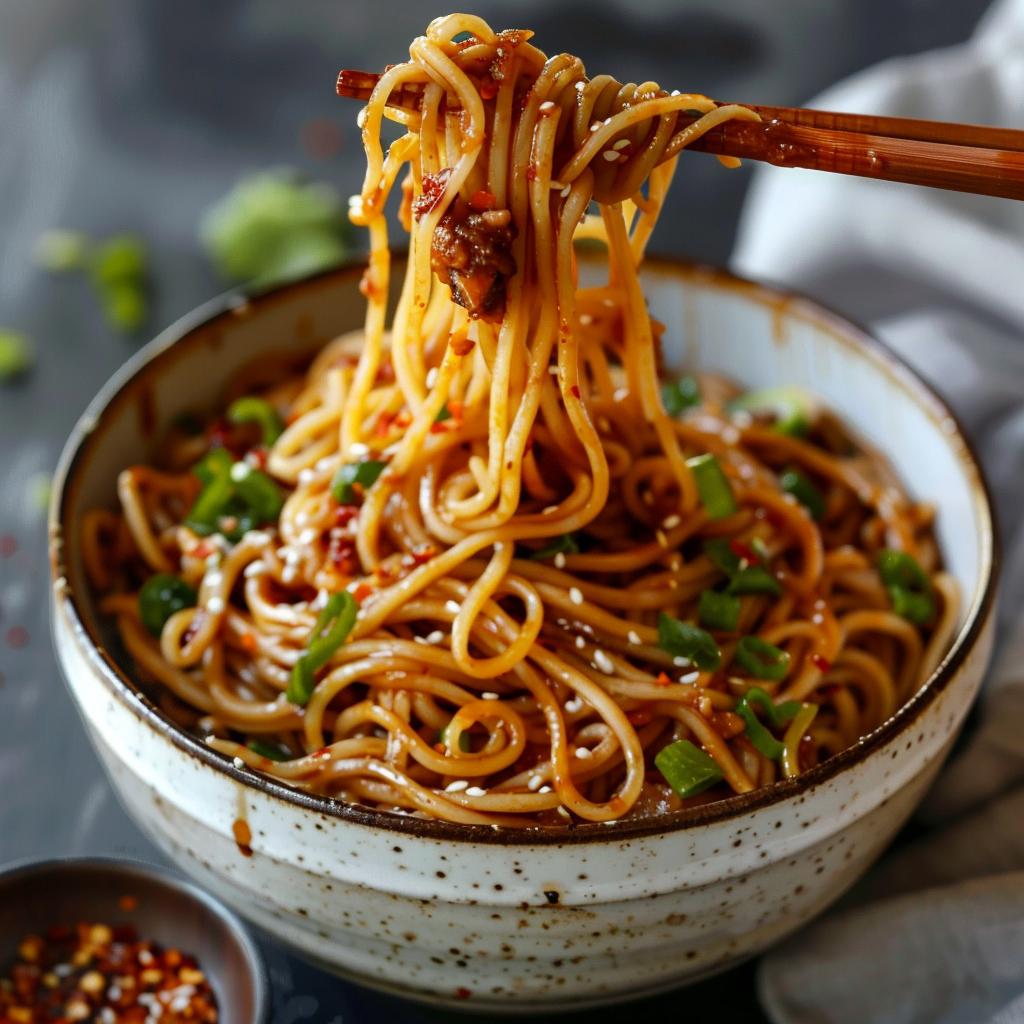
Korean Ramen Recipes are a delicious way to enjoy bold flavors, spicy sauces, chewy noodles, and comforting broths at home. From classic Korean spicy ramen to creamy cheese ramen and vegetable ramen, these dishes are easy to customize for different tastes. Whether you enjoy fiery Korean noodles or prefer a mild, creamy bowl, the right ingredients and cooking methods can make a big difference. In this guide, you will discover seven tasty Korean ramen recipes, useful cooking tips, and common mistakes to avoid.
Focus Keyword: Korean Ramen Recipes
Low-Competition Keyword: Easy Korean Ramen Recipes at Home
Table of Contents: Korean Ramen Recipes
- Korean Spicy Ramen Recipe
- Creamy Korean Cheese Ramen Recipe
- Korean Egg Ramen Recipe
- Korean Vegetable Ramen Recipe
- Korean Kimchi Ramen Recipe
- Korean Garlic Butter Ramen Recipe
- Korean Chicken Ramen Recipe
- Korean Ramen Cooking Tips and Common Mistakes
- Korean Ramen Recipes Comparison Table
- Korean Ramen Recipes Cooking-Time Graph
- Conclusion and Related Picks
1. Korean Ramen Recipes for Spicy Ramen
Spicy Korean ramen is one of the most popular noodle dishes for people who enjoy bold, fiery flavors. It combines chewy noodles with a spicy sauce, garlic, and optional vegetables. You can control the heat by adjusting the amount of chili paste or chili flakes.
To prepare one serving, use one packet of Korean ramen, approximately one teaspoon of gochujang (Korean chili paste), one minced garlic clove, one teaspoon of soy sauce, and chopped spring onions. Add sliced mushrooms or cabbage if you want extra vegetables.
Cook the noodles according to the packet instructions. In a separate pan, gently cook the garlic with a little oil, then stir in the gochujang and soy sauce. Add a small amount of noodle water to loosen the sauce. Mix in the cooked noodles until they are evenly coated.
Finish with spring onions and sesame seeds. Add a boiled egg if you prefer a richer meal.

Common mistake: Using too much chili paste can overwhelm the other flavors. Start with a small quantity and increase it gradually. If the sauce becomes too thick, add a spoonful of noodle water.
2. Korean Ramen Recipes for Creamy Cheese Ramen
Creamy Korean cheese ramen is a comforting choice for anyone who likes rich, cheesy noodles. Cheese softens the sharpness of spicy seasoning and creates a smooth texture.
For one serving, prepare one packet of ramen, a small handful of grated mozzarella or cheddar, two tablespoons of milk, and half a teaspoon of butter. You can also add a pinch of black pepper.
Cook the noodles until they are nearly tender, then drain most of the water while keeping a few tablespoons in the pot. Add the seasoning gradually, followed by the milk and butter. Stir over low heat until combined.
Sprinkle the grated cheese over the noodles and stir until it melts. If you want a thicker sauce, add a little more cheese. For a lighter version, use less cheese and add mushrooms or spinach.
Cheese ramen tastes best when served immediately because the sauce thickens as it cools.
Common mistake: Cooking the cheese over very high heat can make the sauce oily or uneven. Keep the heat low and stir gently until the cheese melts.
3. Korean Ramen Recipes with Egg
Egg ramen is a simple way to make a bowl of Korean noodles more satisfying. The egg adds protein and a soft texture without requiring complicated ingredients.
Start with one packet of ramen, one egg, two cups of water or the amount recommended on the packet, and chopped spring onions. Prepare optional ingredients such as spinach, mushrooms, or a little sesame oil.
Bring the water to a boil and add the noodles and seasoning. Cook according to the package directions. For a poached-style egg, crack the egg into the simmering broth near the end of cooking. Cover the pot and cook until the egg white is set and the yolk reaches your preferred consistency. For food safety, cook eggs until the whites and yolks are firm, or use pasteurized eggs if you prefer them less cooked.
You can also boil the egg separately and slice it before serving. Garnish with spring onions and a few drops of sesame oil.
This recipe works well for a quick lunch or dinner. Add vegetables for more color and texture.
4. Korean Ramen Recipes with Fresh Vegetables
Vegetable ramen is an easy way to add variety and freshness to a noodle meal. Cabbage, carrots, mushrooms, spinach, and spring onions all work well with Korean-style seasoning.
For one serving, prepare ramen noodles, half a cup of sliced cabbage, half a carrot cut into thin strips, a few mushrooms, and a handful of spinach. Use the seasoning packet or make a simple sauce with soy sauce, garlic, and a small amount of gochujang.
Heat a little oil in a pan and cook the carrots, cabbage, and mushrooms for two to three minutes. Add water or broth, followed by the noodles and seasoning. Simmer until the noodles are nearly ready, then stir in the spinach until it wilts.
Taste the broth before adding more salt because instant ramen seasoning can already contain substantial sodium.
Helpful tip: Cut the vegetables into similar-sized pieces so they cook evenly. Add delicate vegetables such as spinach near the end to prevent them from becoming overly soft.
5. Korean Ramen Recipes with Kimchi
Kimchi ramen combines noodles with kimchi, a traditional Korean fermented vegetable dish. Kimchi provides a tangy, savory flavor that works particularly well in a warm broth.
For one serving, use one packet of ramen, about half a cup of chopped kimchi, one minced garlic clove, two cups of water or broth, and sliced spring onions. A little tofu can make the dish more substantial.
Heat a small amount of oil in a pot and cook the garlic and kimchi for two minutes. Add the water or broth and bring it to a simmer. Stir in the ramen seasoning carefully, then add the noodles and cook according to the packet directions.
Add tofu during the final few minutes so it warms through without breaking apart. Finish with spring onions.
Kimchi varies in saltiness and sourness, so taste the broth before adding extra seasoning. If you prefer a milder bowl, use less kimchi or add more water.
6. Korean Ramen Recipes with Garlic Butter
Garlic butter ramen offers a savory alternative for people who do not always want extremely spicy noodles. Butter adds richness, while garlic creates a strong aroma.
Prepare one packet of ramen, one tablespoon of butter, two minced garlic cloves, one teaspoon of soy sauce, and chopped spring onions. Optional ingredients include sesame seeds, mushrooms, or a little grated cheese.

Cook the noodles and reserve a few tablespoons of the cooking water before draining. Melt the butter in a pan over low heat and add the garlic. Cook briefly until fragrant, making sure it does not burn.
Add soy sauce and a little noodle water, then stir in the noodles. Mix until the sauce lightly coats the noodles. Add the seasoning packet gradually if you want a stronger flavor.
Finish with spring onions and sesame seeds. Serve immediately while the butter sauce is warm and smooth.
Common mistake: Burnt garlic tastes bitter and can ruin the dish. Use low to medium heat and remove the pan from the heat if the garlic starts browning too quickly.
7. Korean Ramen Recipes with Chicken
Chicken ramen is a satisfying option for people who want a more substantial noodle meal. Tender chicken, savory broth, and Korean seasonings combine to create a comforting dish.
For two servings, prepare two packets of ramen, approximately 200 grams of boneless chicken, two to three cups of water or broth, one garlic clove, and your preferred vegetables. You can use a little gochujang for spice or soy sauce for a milder flavor.
Cut the chicken into small, even pieces. Cook it in a pot with a little oil until browned, then add garlic and stir briefly. Add the broth and cook until the chicken reaches an internal temperature of 74°C (165°F). Add the ramen noodles and follow the package cooking time.
Stir in vegetables such as cabbage, carrots, or spinach. Adjust the flavor with small amounts of seasoning, then serve hot.
To save time, you can use already-cooked chicken, but add it near the end so it heats through without becoming dry. Keep raw chicken and its juices separate from ready-to-eat ingredients.
Korean Ramen Recipes: Cooking Tips and Common Mistakes
Preparing delicious Korean ramen does not require advanced cooking skills, but a few simple techniques can improve the final result. First, follow the noodle packet’s cooking instructions because different noodle types require different cooking times. Overcooking can make noodles soft and unpleasant.
Second, adjust the seasoning gradually. Many instant ramen packets contain plenty of salt, so adding extra soy sauce, salt, or salty toppings without tasting the broth can make the meal excessively salty.
Third, choose ingredients that complement one another. Eggs, tofu, chicken, mushrooms, and vegetables can add different textures and nutrients. However, toppings do not automatically make every ramen meal balanced. Including vegetables and a suitable protein source can help create a more varied meal.
Finally, serve ramen soon after cooking. Noodles continue absorbing broth as they sit, which can leave the dish too thick. If you are preparing ramen ahead of time, store the broth and noodles separately when practical, then combine them when reheating.
People who are sensitive to spicy food should start with a small amount of chili paste. Anyone watching sodium intake can use less of the seasoning packet and add fresh garlic, ginger, or spring onions for extra flavor.
Korean Ramen Recipes Comparison Table
| Recipe | Main flavor | Approximate time | Difficulty |
|---|---|---|---|
| Spicy ramen | Hot and savory | 10–15 minutes | Easy |
| Cheese ramen | Creamy and rich | 10–15 minutes | Easy |
| Egg ramen | Savory and comforting | 10–15 minutes | Easy |
| Vegetable ramen | Fresh and savory | 15–20 minutes | Easy |
| Kimchi ramen | Tangy and spicy | 15–20 minutes | Easy |
| Garlic butter ramen | Rich and aromatic | 10–15 minutes | Easy |
| Chicken ramen | Hearty and savory | 20–30 minutes | Moderate |
Cooking times are estimates and depend on the ingredients, noodle brand, and preparation method.
Korean Ramen Recipes Cooking-Time Graph
The following graph compares the approximate preparation time for three popular options.
Spicy Ramen       ███████       12 min
Cheese Ramen      ███████       12 min
Chicken Ramen     █████████████ 25 min
These estimates are illustrative. Chicken ramen takes longer because the chicken must be cooked safely, while spicy and cheese ramen generally use fewer ingredients.
Conclusion: Korean Ramen Recipes for Every Taste
Korean Ramen Recipes offer plenty of ways to create quick, flavorful meals at home. Spicy ramen is ideal for chili lovers, cheese ramen delivers a creamy finish, and egg ramen provides a simple upgrade. Vegetable and kimchi ramen bring additional textures, while garlic butter ramen offers a rich alternative. Chicken ramen is a good option when you want a more substantial bowl.
Start with the recipe that matches your taste, adjust the spice level, and experiment with fresh toppings. Remember to avoid overcooking the noodles, adding too much seasoning, or leaving chicken undercooked. With a few basic ingredients and careful preparation, homemade Korean ramen can become a versatile part of your meal routine.