Category: cookingbyesha

  • 7 Powerful Cooking Mistakes: Better Meals & Hidden Risks

    7 Powerful Cooking Mistakes: Better Meals & Hidden Risks

    Cooking Mistakes can turn a delicious meal into a disappointing experience, even when you use fresh ingredients and follow a recipe. From adding too much salt to cooking food at the wrong temperature, small errors can affect flavor, texture, nutrition, and food safety. The good news is that learning a few simple techniques can help you prepare better meals, save ingredients, and feel more confident in the kitchen. In this guide, you will discover seven common cooking mistakes, practical ways to fix them, and important risks you should never ignore.

    Focus Keyword: Cooking Mistakes

    Low-Competition Keyword: Common Cooking Mistakes for Beginners

    Table of Contents: Cooking Mistakes

    1. Cooking Mistakes Caused by Skipping Preparation
    2. Cooking Mistakes from Using Incorrect Heat
    3. Cooking Mistakes from Overcrowding the Pan
    4. Cooking Mistakes from Adding Too Much Salt
    5. Cooking Mistakes from Overcooking Food
    6. Cooking Mistakes from Using the Wrong Measurements
    7. Cooking Mistakes from Poor Food Storage
    8. Cooking Mistakes Comparison Table
    9. Cooking Mistakes Prevention Graph
    10. Conclusion and Related Picks

    1. Cooking Mistakes Caused by Skipping Preparation

    One of the most common cooking mistakes is starting to cook before preparing all the ingredients. When you chop vegetables, measure spices, and prepare sauces while food is already cooking, you may accidentally burn ingredients or forget an important step.

    For example, onions and garlic can cook quickly in a hot pan. If you are still cutting vegetables when the garlic is already browning, it may burn before the other ingredients are ready. Burnt garlic often develops a bitter flavor that affects the entire dish.

    Happy young african chef housewife woman cooking making preparing food dinner lunch at home kitchen, cutting vegetables for salad. Vegan vegetarian meal concept

    The best solution is to prepare your ingredients before turning on the stove. Read the recipe, wash and chop the vegetables, measure the seasonings, and place everything within easy reach. This approach is often called mise en place, a French expression meaning to put everything in its place.

    Preparation also helps you notice missing ingredients before you begin. If a recipe requires marinating, soaking, or preheating the oven, you can plan ahead instead of rushing.

    How to avoid this cooking mistake: Spend five to ten minutes organizing your ingredients. A little preparation can make cooking calmer, faster, and more consistent.

    2. Cooking Mistakes from Using Incorrect Heat

    Incorrect heat is another major cooking mistake. High heat is useful for searing meat and stir-frying vegetables, but it can burn garlic, scorch sauces, and leave thick foods undercooked inside. Low heat is suitable for gentle simmering, but it may not brown food properly.

    Different foods need different temperatures. Eggs usually benefit from moderate or low heat, while vegetables intended for stir-frying need a sufficiently hot pan. Thick cuts of meat may require browning followed by additional cooking to reach a safe internal temperature.

    For example, cooking a thick chicken breast over extremely high heat can brown the outside while leaving the center undercooked. Reducing the heat after browning, or using an oven to finish cooking, can help the chicken cook more evenly. A food thermometer is the most reliable way to check doneness.

    Sauces also need attention. A sauce boiling aggressively may reduce too quickly or stick to the bottom of the pan. Lowering the heat and stirring regularly helps control its texture.

    How to avoid this cooking mistake: Learn when to use high, medium, and low heat. Adjust the temperature throughout cooking instead of leaving the stove on one setting from beginning to end.

    3. Cooking Mistakes from Overcrowding the Pan

    Overcrowding happens when too much food is added to a pan at once. It is particularly common when preparing fried rice, roasted vegetables, mushrooms, and stir-fried dishes.

    When a crowded pan releases more moisture than it can evaporate, the food begins to steam instead of brown. Vegetables may become soft, mushrooms may release liquid, and meat may lose its attractive seared surface.

    Imagine trying to fry a large quantity of vegetables in a small skillet. The vegetables release moisture, the temperature drops, and the ingredients cook unevenly. The result may be edible, but it will lack the crisp texture and rich flavor you expected.

    The easiest solution is to cook in batches. Give the ingredients enough space to contact the hot surface, and allow moisture to escape. Use a larger pan when available, and avoid stirring constantly when you want a good sear.

    This technique is especially useful for home cooks preparing meals for several people. Although cooking in batches may take a little longer, the improvement in texture is often worth the effort.

    How to avoid this cooking mistake: Fill the pan only as much as needed for the food to cook evenly. If ingredients are piled high, divide them into smaller portions.

    4. Cooking Mistakes from Adding Too Much Salt

    Too much salt can overpower the natural flavors of a meal. This cooking mistake often occurs when salt is added at every stage without tasting the dish in between. Ingredients such as soy sauce, stock cubes, cheese, processed meats, and packaged seasonings may already contain substantial sodium.

    A better approach is to season gradually. Add a small amount early in cooking when appropriate, then taste again near the end. Remember that sauces and soups may become saltier as their liquid reduces.

    東京都内の料理教室のおすすめ人気ランキング【2026年】 | マイベスト

    If a soup or sauce becomes too salty, adding unsalted broth, water, vegetables, or other unsalted ingredients can help dilute the excess salt. Increasing the total quantity of the dish may be more effective than adding a single ingredient. Potatoes do not magically remove salt; they absorb some of the salty liquid along with everything else.

    Acidity, such as a little lemon juice or vinegar, can sometimes balance the perception of saltiness, although it does not remove sodium. Choose a correction that suits the recipe.

    Reducing unnecessary salt can also help people manage sodium intake, particularly those advised by a healthcare professional to limit it.

    How to avoid this cooking mistake: Taste before adding more seasoning, read packaged ingredient labels, and use herbs, spices, garlic, and lemon to create additional flavor.

    5. Cooking Mistakes from Overcooking Food

    Overcooking is one of the most frustrating cooking mistakes because it can make otherwise good ingredients dry, tough, or mushy. Lean meat can lose moisture, vegetables can become soft and dull, and pasta may break apart.

    Vegetables often benefit from cooking only until they reach the texture you prefer. Broccoli, green beans, and carrots can retain more firmness when they are not cooked for longer than necessary. However, some vegetables and legumes need sufficient cooking to become tender and safe to eat.

    Meat requires a different approach. Chicken should reach an internal temperature of 74°C (165°F). Other meats have different recommended safe temperatures depending on the type and preparation method. Use a food thermometer rather than relying only on the outside color.

    Pasta should be checked near the end of its recommended cooking time. If it will be added to a hot sauce and cooked further, you may wish to drain it slightly earlier, depending on the recipe.

    Resting certain cooked meats also helps the juices redistribute before slicing. Keep in mind that food safety still comes first.

    How to avoid this cooking mistake: Use a timer as a reminder, check food before the expected finish time, and follow safe internal temperature recommendations for meat and other high-risk foods.

    6. Cooking Mistakes from Using the Wrong Measurements

    Cooking measurements can seem unimportant, but they can dramatically affect baking and some sauces. Adding too much flour may produce dry cookies or dense cakes, while too much liquid can leave a batter thin and difficult to bake properly.

    Baking depends on a balance between flour, liquid, fat, sugar, eggs, and raising agents. Small measurement differences can change the final result. For this reason, weighing ingredients with a kitchen scale is often more reliable than using cups, particularly when working with flour.

    Even ordinary cooking benefits from consistency. Too much chili powder can overwhelm a curry, while too little liquid may cause rice or lentils to cook unevenly. Following a tested recipe helps beginners understand the intended proportions before experimenting.

    Measurements do not need to be rigid for every dish. Experienced cooks often adjust seasonings and sauces according to taste. However, beginners should learn the basic recipe first, then make changes gradually.

    How to avoid this cooking mistake: Use measuring spoons for small quantities and a kitchen scale for baking. Check whether a recipe uses metric weights or US measurements instead of assuming they are interchangeable.

    7. Cooking Mistakes from Poor Food Storage

    Poor food storage is one of the most serious cooking mistakes because it can lead to foodborne illness. Cooked food may look and smell normal even when harmful microorganisms or toxins are present.

    Perishable foods should not be left at room temperature for extended periods. As a general rule, refrigerate them within two hours, or within one hour when the surrounding temperature is above 32°C (90°F). Divide large quantities into shallow containers so they cool more quickly.

    Cooked rice needs particular care because Bacillus cereus spores can survive the cooking process. Cool rice promptly, refrigerate it quickly, and follow conservative guidance for using refrigerated leftovers. Reheating cannot reliably destroy toxins that may have formed when food was stored improperly.

    Raw meat should be kept separate from ready-to-eat food to prevent cross-contamination. Use clean cutting boards and utensils, wash hands after handling raw ingredients, and clean surfaces thoroughly.

    When reheating leftovers, heat them until steaming hot throughout; a thermometer can help verify that reheated food reaches 74°C (165°F). Avoid repeatedly cooling and reheating the same portion.

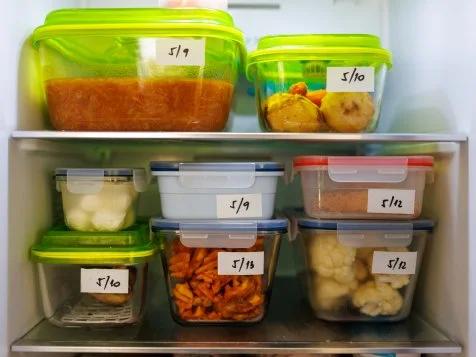
    How to avoid this cooking mistake: Label leftovers with the date, refrigerate promptly, and throw away food that has been stored unsafely. Do not rely on smell or appearance alone to judge whether food is safe.

    Cooking Mistakes Comparison Table

    Cooking mistakeCommon resultBetter solution
    Skipping preparationBurnt ingredients or forgotten stepsPrepare ingredients before cooking
    Incorrect heatBurnt outside or uneven cookingAdjust heat for the food
    Overcrowding the panSoft, watery foodCook in batches
    Adding too much saltOverly salty flavorSeason gradually and taste
    Overcooking foodDry meat or mushy vegetablesMonitor time and doneness
    Incorrect measurementsPoor texture or inconsistent resultsMeasure accurately
    Poor food storageIncreased food-safety riskCool and refrigerate promptly

    Cooking Mistakes Prevention Graph

    This illustrative graph shows how many of the seven common cooking mistakes can be addressed with simple habits. It is a practical guide, not a scientific survey.

    Preventable problems addressed by each habit

    Prepare ingredients first  ███████  7
    Control heat carefully     ██████   6
    Taste before seasoning     █████    5
    Measure ingredients        █████    5
    Store food safely          ███████  7

    The values represent illustrative ratings of how broadly each habit can help, not measured percentages or experimental results. Preparation and safe storage are especially useful because they prevent multiple problems before they begin.

    Conclusion: Avoid Cooking Mistakes for Better Meals

    Cooking Mistakes are common, but most can be corrected with practice and a few reliable habits. Preparing ingredients before cooking, choosing the right heat, avoiding overcrowded pans, and seasoning gradually can improve flavor and texture. Accurate measurements are especially valuable for baking, while careful storage and proper cooking temperatures help protect your health.

    You do not need expensive kitchen equipment to become a better cook. A timer, measuring spoons, a kitchen scale, and a food thermometer can make everyday cooking easier and more consistent. Start by improving one habit at a time, then observe how your meals change.

    The most important lesson is to combine creativity with care. Better preparation can reduce waste, improve flavor, and help you avoid preventable problems in the kitchen.
  • 8 Powerful Cheap Family Meals: Big Savings & Hidden Benefits

    8 Powerful Cheap Family Meals: Big Savings & Hidden Benefits

    Introduction to Cheap Family Meals

    Cheap Family Meals are a practical way to feed your family delicious, satisfying food without spending too much money. When grocery prices rise, planning affordable meals becomes especially important. The good news is that you do not need expensive ingredients or complicated recipes to prepare meals that everyone can enjoy. Simple foods such as rice, potatoes, eggs, beans, lentils, pasta, and seasonal vegetables can help you create filling family dinners on a budget.

    The best cheap family meals combine affordable ingredients with good flavor and nutritional variety. Instead of buying different ingredients for every dish, you can use the same basic foods in several recipes throughout the week. For example, cooked beans can be used in wraps, rice bowls, and vegetable dishes, while potatoes can become a side dish or the main ingredient in a filling dinner.

    Budget-friendly cooking can also help reduce food waste and make grocery shopping more organized. However, buying the cheapest food is not always the best strategy if it leads to poor variety or ingredients that spoil before you use them.

    In this article, we will explore eight powerful cheap family meals, their benefits, possible challenges, and practical ways to save money while preparing enjoyable meals for the whole family.

    Table of Contents

    1. Why Cheap Family Meals Matter
    2. 8 Powerful Cheap Family Meals
    3. Benefits of Cheap Family Meals
    4. Hidden Challenges of Budget Cooking
    5. Cheap Family Meals Comparison Table
    6. Simple Weekly Family Meal Plan
    7. Tips for Saving Money on Family Meals
    8. Frequently Asked Questions
    9. Conclusion

    Why Cheap Family Meals Matter

    Cheap family meals help households manage grocery spending without relying on takeaway food or expensive convenience products. Cooking at home often gives you more control over ingredients, portion sizes, and how much money you spend on each meal.

    Another advantage is flexibility. Many affordable recipes can be adapted according to the ingredients available in your kitchen. If one vegetable becomes expensive, you can replace it with another seasonal option. You can also adjust the amount of meat in a recipe by adding beans, lentils, or vegetables.

    Chipotle, Avocado and White Bean Wraps | DrFuhrman.com

    Meal planning can make budget cooking easier. When you know what your family will eat during the week, you can prepare a shopping list and avoid unnecessary purchases. Planning also makes it easier to use leftovers safely instead of letting them go to waste.

    8 Powerful Cheap Family Meals

    1. Cheap Family Meals with Rice and Vegetables

    Rice and vegetables make one of the most flexible cheap family meals because the ingredients are widely available and easy to combine. This dish can be prepared with carrots, peas, onions, cabbage, capsicum, or other seasonal vegetables.

    Begin by cooking rice according to the package instructions. In a separate pan, sauté chopped onions and vegetables in a small amount of oil. Add garlic, black pepper, and your preferred spices. Mix in the cooked rice and heat everything thoroughly.

    For additional protein, include eggs, chickpeas, beans, or a small amount of chicken. You can change the flavor with different seasonings, making the same basic ingredients feel different from one meal to another.

    This recipe is particularly useful when you have leftover vegetables that need to be used. However, refrigerate cooked rice promptly because rice can develop harmful bacteria if left at room temperature for too long. Store it safely and reheat it thoroughly before serving.

    2. Cheap Family Meals with Lentil Curry

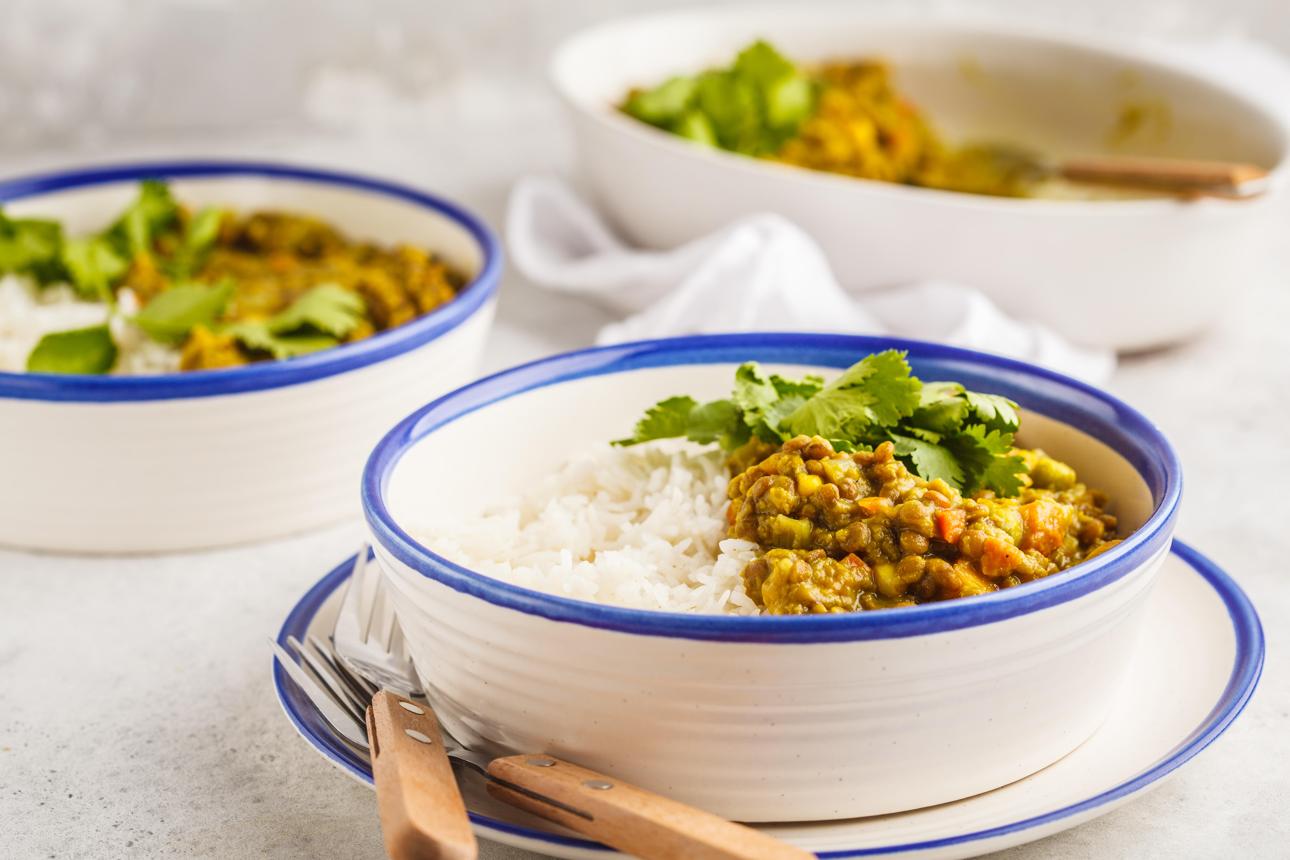
    Lentil curry is a filling and budget-friendly meal that can feed several people without requiring expensive ingredients. Lentils provide plant-based protein and fiber, making them a useful part of a balanced family diet.

    To prepare the curry, rinse the lentils and cook them with onions, tomatoes, garlic, turmeric, cumin, and water. Simmer until the lentils are tender and the mixture reaches your preferred consistency. Adjust the seasoning according to your family’s taste.

    Serve the curry with rice, flatbread, or both. You can add seasonal vegetables to increase variety and use whatever ingredients are available at a reasonable price.

    Lentils are convenient because dried varieties can be stored in the pantry for a long time when kept in a cool, dry place. Cooking a larger batch can also save time, provided the extra portions are cooled, refrigerated, or frozen safely.

    3. Cheap Family Meals with Potato and Egg Skillet

    Potatoes and eggs are simple ingredients that can become a satisfying family dinner. This meal is particularly useful when you need something affordable and quick to prepare.

    Cut potatoes into small pieces and cook them in a pan with a little oil until tender. Add onions, tomatoes, and spices such as black pepper, paprika, or cumin. Beat the eggs separately, pour them over the vegetables, and cook until the eggs are completely set.

    You can serve the skillet with whole-grain bread, flatbread, or a small salad. If your family enjoys stronger flavors, add fresh coriander or chili according to individual preferences.

    Potatoes provide carbohydrates, while eggs contribute protein and other nutrients. Adding vegetables helps create a more varied meal without greatly increasing the cost.

    For families with children, allow the food to cool to a comfortable temperature before serving and cut larger pieces into suitable portions.

    4. Cheap Family Meals with Homemade Bean Wraps

    Homemade bean wraps are a useful alternative to expensive ready-made sandwiches or takeaway meals. Beans are affordable, filling, and versatile, making them a practical ingredient for family cooking.

    Cook kidney beans, chickpeas, or another preferred bean with onions, tomatoes, garlic, and spices. Spoon the mixture into flatbreads or tortillas and add shredded cabbage, cucumber, or other vegetables.

    A little plain yogurt or homemade sauce can add moisture and flavor. To reduce waste, use the same bean filling in rice bowls the following day.

    If dried beans are cheaper in your area, they can offer savings compared with canned varieties, although they require soaking or longer cooking depending on the type. Follow safe preparation instructions for the specific beans you use.

    Bean wraps are easy to customize. Family members can choose their own fillings, which may help make dinner more enjoyable for people with different tastes.

    Picture 1: Homemade bean wraps filled with beans, colorful vegetables, and a light yogurt sauce.

    5. Cheap Family Meals with One-Pot Vegetable Pasta

    One-pot vegetable pasta can simplify both cooking and cleanup. It combines inexpensive pasta with vegetables and a simple tomato-based sauce to create a filling family dinner.

    Add chopped onions, garlic, tomatoes, pasta, water or suitable stock, and your chosen vegetables to a large pot. Cook according to the pasta instructions, stirring regularly and adding liquid as needed until the pasta is tender.

    Carrots, spinach, peas, mushrooms, and cabbage can all work, depending on what is affordable. You can also add beans or lentils for extra protein.

    Using a single pot can reduce the number of dishes you need to wash. It may also help you use vegetables before they spoil.

    Raw ingredients for vegetarian cuisine

    For a balanced meal, include a variety of vegetables and a protein source when practical. Check the pasta’s cooking instructions because different shapes and brands require different amounts of liquid and cooking time.

    6. Cheap Family Meals with Chicken and Potatoes

    Chicken and potatoes can provide a hearty family dinner without requiring an expensive cut of meat. Using smaller portions of chicken alongside potatoes and vegetables may help stretch the ingredients across more servings.

    Season chicken pieces with garlic, black pepper, paprika, and a modest amount of oil. Place them in a baking dish with chopped potatoes, onions, and carrots. Roast until the vegetables are tender and the chicken is thoroughly cooked.

    If you do not have an oven, you can cook the chicken and potatoes in a covered pan on the stove, adding a little water when necessary and checking that everything cooks evenly.

    Serve the meal with seasonal vegetables or a simple salad. Buying chicken in suitable family-sized packs can sometimes reduce the cost per serving, but compare prices and avoid buying more than you can safely store.

    Keep raw chicken separate from ready-to-eat foods, clean preparation surfaces, and cook the chicken to a safe internal temperature.

    7. Cheap Family Meals with Chickpea Rice Bowls

    Chickpea rice bowls are another excellent option for families looking for affordable meals with plant-based ingredients. They combine rice, chickpeas, vegetables, and seasonings in a format that is easy to customize.

    Prepare the rice separately. Heat cooked chickpeas with onions, tomatoes, cumin, coriander, and a little water until the mixture becomes flavorful. Add vegetables such as carrots, spinach, or peas, then serve the mixture over rice.

    You can use dried chickpeas prepared according to safe cooking instructions or canned chickpeas that have been drained and rinsed. Choose whichever option offers the best value for your household.

    The dish can be served with plain yogurt or a small salad if those ingredients fit your budget. You can also use leftover chickpeas in wraps or salads, reducing the need to purchase ingredients for another meal.

    8. Cheap Family Meals with Homemade Vegetable Soup

    Homemade vegetable soup is a practical way to use seasonal produce and ingredients already in your kitchen. It can be especially useful when you have small amounts of several vegetables that are not enough to make separate dishes.

    Chop onions, carrots, potatoes, cabbage, and any other suitable vegetables. Add them to a pot with water or stock, garlic, and your preferred seasonings. Simmer until the vegetables are tender.

    For a more filling soup, add lentils, beans, or a small amount of pasta. Serve it with bread or flatbread to create a satisfying meal.

    You do not need a fixed list of vegetables. Use what is available, but discard any produce that has spoiled rather than trying to hide its condition in a soup.

    Make only as much soup as your family can use safely. Refrigerate leftovers promptly in shallow containers, or freeze portions for future meals.

    Picture 2: A large bowl of homemade vegetable soup served with fresh bread on a family dinner table.

    Benefits of Cheap Family Meals

    One of the biggest benefits of cheap family meals is better control over household spending. Preparing meals at home can reduce the need for expensive takeaway food, restaurant dinners, and packaged convenience meals.

    Budget cooking can also encourage more thoughtful grocery shopping. When you plan several recipes around the same ingredients, you may be able to use entire bags of vegetables, packs of rice, or containers of beans instead of leaving small amounts unused.

    Another advantage is flexibility. Affordable recipes can be adapted to different family sizes, tastes, and ingredient availability. You can substitute seasonal vegetables, use beans instead of some meat, or serve the same curry with rice one day and flatbread another day.

    Cooking together can also be a useful family activity. Older children can help wash vegetables, measure ingredients, or prepare simple salads under appropriate supervision.

    Most importantly, inexpensive meals can still be nutritious. A combination of grains, vegetables, legumes, eggs, and suitable protein sources can contribute to a varied diet without requiring premium ingredients.

    Hidden Challenges of Budget Cooking

    Although cheap family meals can reduce expenses, choosing food based only on price can create problems. Some very inexpensive convenience foods may contain high amounts of salt, added sugar, or saturated fat while offering limited variety.

    Another challenge is meal repetition. Eating the same few dishes every day can become boring and may reduce dietary variety. You can address this by changing spices, using different seasonal vegetables, and rotating between rice, potatoes, pasta, and flatbread.

    Food waste can also undermine your savings. Buying large quantities is not economical if ingredients spoil before you use them. Plan around your family’s actual needs and freeze suitable foods when necessary.

    Time is another factor. Some affordable ingredients, such as dried beans, require preparation and cooking. Planning ahead, soaking beans when appropriate, and preparing meals in batches can make them easier to manage.

    Finally, food safety should never be overlooked. Refrigerate perishable leftovers promptly, keep raw meat separate from cooked food, and follow safe cooking and storage guidelines. Saving money is most useful when meals are also safe and suitable for your family.

    Cheap Family Meals Comparison Table

    The following table compares the eight meals by their main ingredients, preparation effort, and a useful budget advantage.

    MealMain ingredientsPreparationBudget advantage
    Rice and vegetablesRice, seasonal vegetablesEasyUses flexible ingredients
    Lentil curryLentils, tomatoes, spicesEasy to moderateDried lentils store well
    Potato and egg skilletPotatoes, eggs, onionsEasyRequires few ingredients
    Homemade bean wrapsBeans, flatbread, vegetablesEasy to moderateFilling and customizable
    One-pot vegetable pastaPasta, vegetables, tomatoesEasySimple cooking and cleanup
    Chicken and potatoesChicken, potatoes, carrotsModerateStretches chicken with sides
    Chickpea rice bowlsChickpeas, rice, vegetablesEasy to moderateUses pantry staples
    Vegetable soupMixed vegetables, optional beansEasyUses suitable leftover produce

    Actual costs depend on your location, season, family size, and ingredient prices. Compare prices per serving rather than assuming one recipe is always the cheapest.

    Simple Weekly Cheap Family Meals Plan

    A weekly plan helps you organize shopping and reduce the chance of buying ingredients that you will not use. Here is an example that you can adjust according to your household’s preferences.

    Monday: Lentil curry with rice.

    Tuesday: Potato and egg skillet with flatbread.

    Wednesday: Homemade bean wraps with vegetables.

    Thursday: One-pot vegetable pasta.

    Friday: Chicken and potatoes with carrots.

    Saturday: Chickpea rice bowls.

    Sunday: Homemade vegetable soup with bread.

    You can prepare some ingredients in advance, such as chopping vegetables or cooking beans, to make busy evenings easier. Store prepared foods safely and freeze portions that will not be eaten within the recommended refrigeration period.

    Picture 3: A weekly budget meal plan featuring rice, lentils, potatoes, beans, pasta, and fresh vegetables arranged on a kitchen counter.

    Tips for Saving Money on Family Meals

    Before shopping, check your pantry, refrigerator, and freezer. Write down the ingredients you already have and plan meals around them. This simple habit can prevent duplicate purchases.

    Buy seasonal vegetables when they offer better value, and compare the cost of fresh, frozen, and canned options. Each can be useful depending on the recipe, storage space, and local prices.

    Use affordable protein sources such as lentils, beans, chickpeas, and eggs when they suit your household. Meat can still be part of the menu, but combining smaller portions with grains and vegetables may help stretch the budget.

    Avoid planning too many different recipes for the same week. A few versatile meals are often easier to manage than a long list requiring many unique ingredients.

    Finally, keep track of which meals your family actually enjoys. The best budget plan is not simply the cheapest one; it is a realistic plan that people will eat and that fits your time, budget, and nutritional needs.

    Frequently Asked Questions About Cheap Family Meals

    What are the cheapest meals to cook for a family?

    Rice and vegetables, lentil curry, potato and egg skillet, bean wraps, and vegetable soup can be economical options. The cheapest choice depends on local ingredient prices and the number of people you need to feed.

    How can I feed my family on a tight budget?

    Plan meals before shopping, compare prices, use affordable pantry staples, buy suitable seasonal produce, and reuse ingredients across different recipes. Avoid buying large quantities of perishable foods unless you can store or freeze them safely.

    Can cheap family meals still be healthy?

    Yes. Meals based on vegetables, beans, lentils, eggs, whole grains, and suitable protein sources can provide a range of nutrients. Variety and portion balance are important.

    How can I reduce food waste at home?

    Plan recipes around ingredients you already own, store food properly, freeze suitable extra portions, and use leftovers in new meals when they remain safe to eat.

    Are homemade meals cheaper than takeaway food?

    They often can be, particularly when you use affordable ingredients and cook multiple servings. However, the exact savings depend on local prices, energy costs, portion sizes, and what you would otherwise buy.

    Conclusion

    These eight powerful cheap family meals show that feeding a family does not have to involve expensive ingredients or complicated recipes. Rice and vegetables, lentil curry, potato and egg skillet, bean wraps, vegetable pasta, chicken and potatoes, chickpea rice bowls, and homemade soup can all help create satisfying meals on a budget.

    The biggest savings come from planning ahead, using ingredients efficiently, and preparing meals that your family genuinely enjoys. At the same time, it is important to maintain variety, handle food safely, and avoid buying more than you can use.

    Start with a few recipes that fit your budget and schedule. As you discover which meals work best, you can build a practical weekly routine that reduces grocery stress and makes family dinners easier to manage.

  • 7 Powerful Leftover Rice Recipes: Save Food & Avoid Waste

    7 Powerful Leftover Rice Recipes: Save Food & Avoid Waste

    Leftover Rice Recipes are a smart way to turn yesterday’s cooked rice into delicious, affordable, and satisfying meals. Instead of throwing away extra rice, you can transform it into crispy rice patties, vegetable fried rice, flavorful rice bowls, and many other dishes. These easy leftover rice recipes help reduce food waste while saving time in the kitchen. However, storing and reheating cooked rice incorrectly can cause foodborne illness, so safe food handling is just as important as great flavor. In this guide, you will discover seven tasty recipes, practical cooking tips, and common mistakes to avoid.

    Focus Keyword: Leftover Rice Recipes

    Low-Competition Keyword: Easy Leftover Rice Recipes for Quick Meals

    Table of Contents: Leftover Rice Recipes

    1. Leftover Rice Recipes for Vegetable Fried Rice
    2. Leftover Rice Recipes for Crispy Rice Patties
    3. Leftover Rice Recipes for Rice and Egg Bowls
    4. Leftover Rice Recipes for Spicy Rice Stir-Fry
    5. Leftover Rice Recipes for Rice Soup
    6. Leftover Rice Recipes for Stuffed Bell Peppers
    7. Leftover Rice Recipes for Sweet Rice Pudding
    8. Leftover Rice Recipes: Benefits and Common Mistakes
    9. Leftover Rice Recipes Comparison Table
    10. Leftover Rice Recipes Cooking-Time Graph
    11. Conclusion and Related Picks

    1. Leftover Rice Recipes for Vegetable Fried Rice

    Vegetable fried rice is one of the easiest leftover rice recipes for a quick lunch or dinner. Cold, properly stored rice is often ideal because the grains tend to remain separate when stir-fried. Colorful vegetables add texture, while garlic and soy sauce provide a savory flavor.

    To prepare two servings, use about three cups of safely refrigerated cooked rice, one cup of mixed vegetables, two minced garlic cloves, one to two tablespoons of soy sauce, and one tablespoon of cooking oil. You can use carrots, peas, sweetcorn, cabbage, or chopped spring onions.

    Heat the oil in a large pan or wok. Add the garlic and vegetables, cooking until the vegetables are nearly tender. Add the rice and break up any clumps with a spatula. Stir-fry thoroughly until the rice is steaming hot throughout. Add the soy sauce gradually and finish with spring onions.

    Овочі з рисом по-мексиканськи

    You can add a scrambled egg or cooked chicken for extra protein. If you prefer less salt, use reduced-sodium soy sauce and season lightly.

    Common mistake: Overcrowding the pan can make the rice steam instead of fry. Cook in batches if necessary, and make sure the rice is thoroughly reheated.

    2. Leftover Rice Recipes for Crispy Rice Patties

    Crispy rice patties are a creative way to use leftover rice when you want something crunchy on the outside and soft inside. They work well as a snack, side dish, or light lunch.

    For approximately six small patties, combine two cups of cooked rice, one egg, half a cup of grated cheese if desired, two tablespoons of chopped spring onions, and a little black pepper. Add one to three tablespoons of flour or breadcrumbs as needed to help the mixture hold together.

    Mix the ingredients in a bowl. Shape the mixture into small, firm patties. Heat a little oil in a frying pan over medium heat, then cook the patties for several minutes on each side until golden and cooked through.

    Serve with yogurt dip, tomato sauce, or a simple green salad. You can also add grated carrots, chopped coriander, or mild spices for extra flavor.

    For a lighter version, brush the patties with a little oil and cook them in an air fryer, checking that they heat through evenly.

    Common mistake: Adding too much moisture can cause the patties to fall apart. If the mixture is too wet, mix in a small amount of flour or breadcrumbs before shaping.

    3. Leftover Rice Recipes for Egg Rice Bowls

    An egg rice bowl is a simple, flexible meal that can be prepared with ingredients already available in your kitchen. Rice provides the base, while eggs add protein and vegetables contribute color and variety.

    For one serving, prepare one cup of safely stored cooked rice, two eggs, half a cup of vegetables, one teaspoon of oil, and a small amount of soy sauce or your preferred seasoning.

    Heat the rice in a pan with a splash of water, stirring until steaming hot throughout. In a separate pan, scramble the eggs until fully cooked. Add the vegetables and cook until tender, then combine everything in a bowl. Season lightly and garnish with spring onions or sesame seeds.

    You can use spinach, mushrooms, peas, or finely chopped peppers. For additional flavor, add a little garlic or ginger.

    This recipe is useful for busy mornings, quick lunches, and simple dinners. It is also easy to adjust according to your appetite and available ingredients.

    Common mistake: Do not add uncooked eggs directly to cold rice and assume the mixture is safe because it is warm. Cook the eggs thoroughly and reheat the rice properly before serving.

    4. Leftover Rice Recipes for Spicy Rice Stir-Fry

    Spicy rice stir-fry is an excellent option for people who enjoy bold flavors. Chili, garlic, and vegetables turn plain rice into a lively dish without requiring expensive ingredients.

    For two servings, use three cups of cooked rice, one small onion, one chopped bell pepper, two garlic cloves, chili flakes or chili sauce to taste, and one tablespoon of cooking oil. You may also add cooked beans, tofu, or chicken.

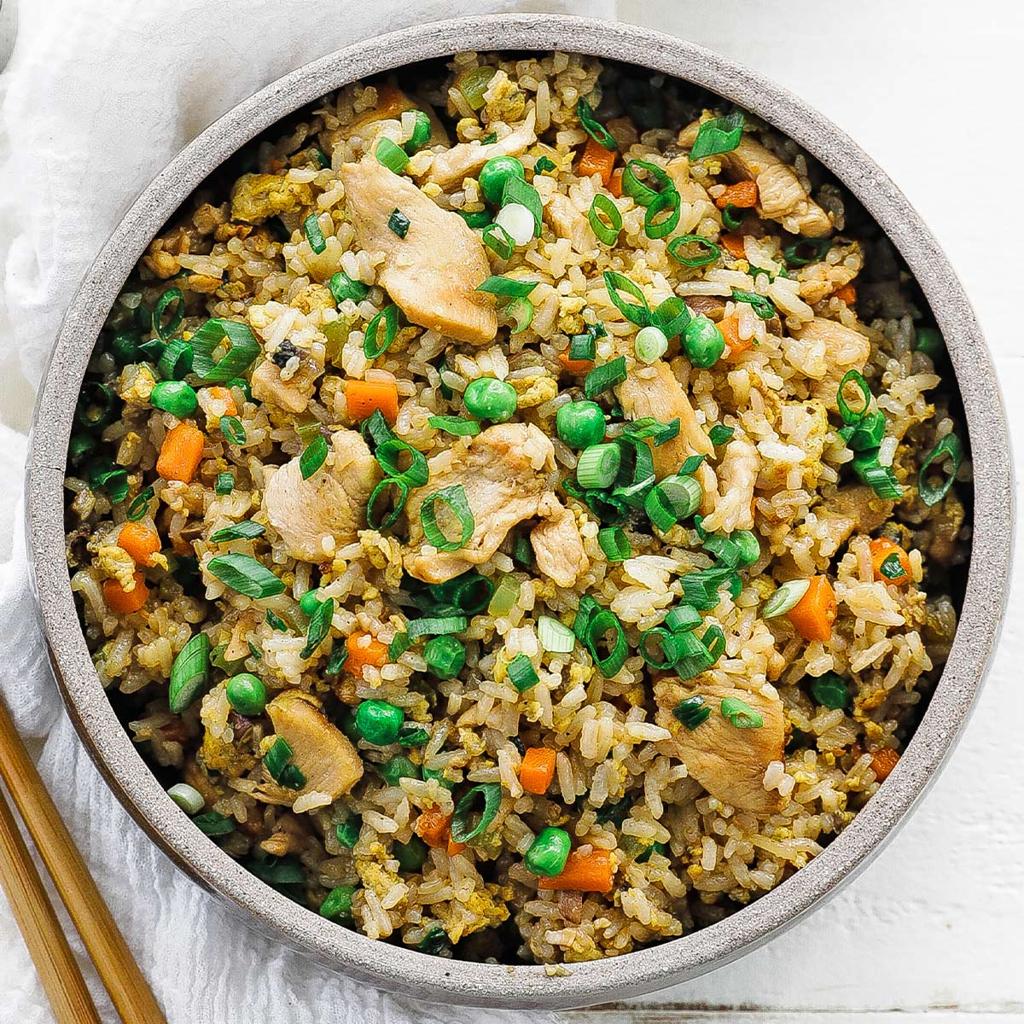
    Stir-Fried Rice with Chicken & Vegetables: Healthy Recipe 🍛
 – Walfos® Kitchenware

    Heat the oil in a large pan. Cook the onion, bell pepper, and garlic until fragrant. Add the chili seasoning and stir briefly. Add the rice and toss everything together until evenly mixed and steaming hot.

    Taste the dish before adding salt because prepared chili sauces can already contain a lot of sodium. If the mixture becomes dry, add a small splash of water rather than extra oil.

    Serve with fresh coriander, spring onions, or a squeeze of lemon juice. You can reduce the chili to make a milder version for children or anyone who prefers less heat.

    Common mistake: Too much chili sauce can overpower the rice. Start with a small amount, taste, and increase the spice gradually.

    5. Leftover Rice Recipes for Quick Rice Soup

    Rice soup is a comforting option for cooler evenings or days when you want a warm, easy meal. Leftover rice can thicken the broth and make a simple vegetable soup more filling.

    For two servings, use one cup of cooked rice, four cups of broth or water, one chopped carrot, half an onion, one small handful of spinach, and your preferred herbs and seasonings.

    Place the broth, carrot, and onion in a saucepan. Simmer until the vegetables soften. Add the rice and cook until it is thoroughly heated. Stir in the spinach near the end and allow it to wilt. Taste and adjust the seasoning.

    For a richer soup, add cooked chicken or beans. For a vegetarian version, use vegetable broth and include lentils or chickpeas if desired.

    Rice continues absorbing liquid as it sits, so the soup may become thicker after cooking. Add extra broth or water when reheating to achieve your preferred consistency.

    Common mistake: Adding too much rice can turn the soup into a thick mixture. Begin with a modest quantity and adjust after checking the texture.

    6. Leftover Rice Recipes for Stuffed Bell Peppers

    Stuffed bell peppers are an attractive way to turn leftover rice into a complete meal. The peppers hold a flavorful filling, making this recipe suitable for family dinners or meal preparation.

    For four servings, use four bell peppers, two cups of cooked rice, one chopped onion, one cup of cooked beans or thoroughly cooked minced meat, half a cup of tomato sauce, and a little grated cheese if desired.

    Cut the tops off the peppers and remove the seeds. Mix the rice with the onion, beans or cooked meat, tomato sauce, and seasoning. Spoon the filling into the peppers and place them upright in a baking dish.

    Add a small amount of water to the bottom of the dish and cover it loosely with foil. Bake at approximately 190°C (375°F) until the peppers soften and the filling is steaming hot. Remove the foil near the end if you want a lightly browned top.

    Vegetarians can use kidney beans, black beans, or chickpeas instead of meat. Herbs such as oregano and coriander can add extra flavor.

    Common mistake: Filling peppers with cold rice and only warming the outside is not enough. Make sure the filling reaches a safe, steaming-hot temperature throughout.

    7. Leftover Rice Recipes for Sweet Rice Pudding

    Sweet rice pudding is a comforting dessert that transforms plain cooked rice into a creamy treat. Milk, sugar, and warming spices create a simple dessert that can be served warm or chilled.

    For two servings, combine one cup of safely stored cooked rice, two cups of milk, one to two tablespoons of sugar, and a pinch of cardamom or cinnamon. You can add raisins, chopped nuts, or a little vanilla extract.

    Place the rice and milk in a saucepan over medium-low heat. Stir regularly while the mixture simmers gently. Once the pudding becomes creamy, add the sugar and cardamom. Continue cooking until the texture suits your preference.

    If the pudding becomes too thick, add a little more milk. If you prefer a thicker dessert, simmer it a little longer while stirring to prevent sticking.

    Serve in small bowls and garnish with cinnamon or chopped nuts. For a less sweet version, reduce the sugar and let the natural flavor of the milk and spices stand out.

    Common mistake: Leaving milk-based pudding at room temperature for an extended period can make it unsafe. Cool and refrigerate leftovers promptly in shallow containers.

    Leftover Rice Recipes: Benefits and Common Mistakes

    Leftover rice recipes offer several practical benefits. They help reduce food waste, make use of ingredients already in your kitchen, and save preparation time because the rice is already cooked. Fried rice, patties, soups, and stuffed peppers also provide opportunities to use vegetables and protein sources that might otherwise go unused.

    However, cooked rice requires careful handling. Rice can contain Bacillus cereus spores that may survive cooking. If cooked rice remains warm or at room temperature for too long, bacteria can grow and produce toxins. Reheating may not destroy toxins that have already formed, so reheating alone cannot make improperly stored rice safe.

    For safety, cool rice quickly and refrigerate it within one hour as a cautious home practice. Store it in a clean, covered, shallow container in a refrigerator at 4°C (40°F) or colder. A conservative approach is to use refrigerated rice within 24 hours, following strict food-safety guidance for cooked rice. If you are unsure how long it has been sitting out, discard it rather than taking a risk.

    Reheat rice only once, until it is steaming hot throughout. Stir during reheating to avoid cold spots. If using a microwave, cover the rice loosely, add a little water if needed, and stir partway through.

    Another common mistake is adding too much oil, sauce, or salt. Taste the dish before adding extra seasoning, and balance rice with vegetables and a suitable protein source for a more varied meal.

    Leftover Rice Recipes Comparison Table

    RecipeMain ingredientsApproximate preparation timeDifficulty
    Vegetable fried riceRice and mixed vegetables10–15 minutesEasy
    Crispy rice pattiesRice, egg, flour20–25 minutesEasy
    Egg rice bowlRice, eggs, vegetables10–15 minutesEasy
    Spicy rice stir-fryRice, chili, garlic10–15 minutesEasy
    Quick rice soupRice, broth, vegetables20–25 minutesEasy
    Stuffed bell peppersRice, peppers, beans or meat35–50 minutesModerate
    Sweet rice puddingRice, milk, sugar20–30 minutesEasy

    Times are estimates and do not include the original cooking time for the rice.

    Leftover Rice Recipes Cooking-Time Graph

    The following graph compares the approximate preparation and cooking time for three leftover rice recipes.

    Egg Rice Bowl         ██████           12 min
    Vegetable Fried Rice  ███████          15 min
    Stuffed Bell Peppers  █████████████████ 40 min

    These times are illustrative estimates. An egg rice bowl and vegetable fried rice are quick options, while stuffed peppers need extra time to soften in the oven.

    Conclusion: Leftover Rice Recipes That Save Food

    Leftover Rice Recipes make it easy to prepare flavorful meals while reducing unnecessary food waste. Vegetable fried rice is ideal for a quick dinner, crispy rice patties make a tasty snack, and egg rice bowls are simple enough for busy days. Spicy stir-fry adds heat, rice soup offers comfort, stuffed peppers create a hearty meal, and sweet rice pudding provides a satisfying dessert.

    The key is to combine creativity with food safety. Refrigerate cooked rice promptly, use it within a safe period, and reheat it until steaming hot throughout. Never rely on smell alone to determine whether rice is safe. With these simple habits, leftover rice can become the starting point for a variety of delicious meals.

  • 8 Iced Coffee Recipes: Amazing Flavors & Risks

    8 Iced Coffee Recipes: Amazing Flavors & Risks

    Introduction to Homemade Iced Coffee Recipes

    Homemade Iced Coffee Recipes are a simple way to enjoy refreshing coffee drinks without spending money at expensive cafés. With a few basic ingredients, such as coffee, milk, ice, sugar, and flavored syrups, you can prepare delicious iced coffee in your own kitchen. Whether you prefer a creamy vanilla drink, a rich mocha, or a dairy-free coconut coffee, there are plenty of options to suit different tastes.

    One of the biggest advantages of homemade iced coffee recipes is customization. You can control the sweetness, choose your preferred milk, adjust the coffee strength, and experiment with flavors. You also have more control over ingredients than you typically do when ordering a prepared drink.

    However, iced coffee is not automatically healthy just because it is made at home. Excessive sugar, large portions, and too much caffeine can create problems for some people. Understanding these benefits and risks can help you enjoy iced coffee more thoughtfully.

    In this article, we will explore eight easy homemade iced coffee recipes, their potential benefits, hidden risks, and practical tips for preparing café-style drinks at home.

    Table of Contents

    1. Why Homemade Iced Coffee Recipes Are Popular
    2. 8 Easy Homemade Iced Coffee Recipes
    3. Benefits of Homemade Iced Coffee
    4. Hidden Risks of Iced Coffee
    5. Iced Coffee Recipes Comparison Table
    6. Tips for Making Better Iced Coffee
    7. Frequently Asked Questions
    8. Conclusion

    Why Homemade Iced Coffee Recipes Are Popular

    Homemade iced coffee recipes are popular because they combine convenience, affordability, and flexibility. Instead of buying a drink every morning, you can prepare one using ingredients you already have at home.

    Creamy Iced Brown Sugar Oat Latte Drink

    Another advantage is that you can make the drink exactly how you like it. Some people enjoy strong coffee with just a little milk, while others prefer a sweeter, creamier beverage. Homemade recipes make it easier to experiment with both styles.

    You can also choose ingredients based on your preferences. Regular milk, oat milk, almond milk, and soy milk can all work in different iced coffee recipes. Cinnamon, vanilla, cocoa powder, and caramel flavoring can add variety without requiring complicated techniques.

    The key is to balance the coffee, milk, ice, and sweetener. A good iced coffee should taste refreshing without becoming watery or excessively sweet.

    8 Easy Homemade Iced Coffee Recipes

    1. Classic Homemade Iced Coffee

    Classic iced coffee is one of the easiest homemade iced coffee recipes for beginners. It requires only brewed coffee, ice, milk if desired, and an optional sweetener.

    First, prepare a cup of strong coffee using your preferred brewing method. Let it cool before pouring it over a glass filled with ice. Add milk or cream if you enjoy a smoother taste, then stir in a small amount of sugar or another sweetener if needed.

    For better flavor, refrigerate the brewed coffee before serving instead of pouring hot coffee directly over a large amount of ice. This helps reduce dilution and keeps the drink refreshing.

    You can adjust the coffee strength depending on whether you prefer a light afternoon drink or a stronger coffee flavor. If you want a dairy-free version, simply leave out the milk or use a plant-based alternative.

    Picture 1: A tall glass of classic homemade iced coffee with ice cubes, milk, and a reusable straw.

    2. Homemade Vanilla Iced Coffee

    Vanilla iced coffee is ideal for people who enjoy a smooth, lightly sweet flavor. Vanilla adds a pleasant aroma without overpowering the coffee itself.

    To prepare this drink, combine chilled brewed coffee with milk, a few drops of vanilla extract, and ice. Stir well until the ingredients are mixed evenly. If you prefer a sweeter drink, add a small amount of sugar or vanilla syrup.

    You can use regular milk, oat milk, or soy milk depending on your preference. For a stronger coffee taste, reduce the amount of milk rather than adding more coffee concentrate without considering its caffeine content.

    Homemade vanilla iced coffee can be a practical alternative to café drinks because you control the amount of syrup and milk. Start with a small amount of vanilla and increase it gradually until the flavor is right.

    3. Creamy Homemade Iced Coffee with Milk

    Creamy iced coffee is a great option for anyone who enjoys a rich texture. This recipe combines chilled coffee with milk and a small amount of optional sweetener.

    Pour cold coffee into a glass filled with ice. Add cold milk and stir gently. For a creamier result, use a little half-and-half or a milk alternative designed for coffee.

    You can also shake the coffee and milk together in a sealed container before pouring the mixture over ice. This creates a more blended texture and helps distribute the flavors evenly.

    Although creamy coffee can taste indulgent, you do not necessarily need large amounts of cream or sugar to achieve a satisfying drink. Adjust the proportions to suit your taste and dietary preferences.

    8 Iced Mocha Latte Recipes to Beat the Heat in 2026

    4. Homemade Iced Mocha Coffee

    Iced mocha combines the flavors of coffee and chocolate. It is an excellent choice for people who enjoy a dessert-like drink but still want the recognizable taste of coffee.

    Prepare chilled coffee and mix it with cocoa powder dissolved in a small amount of warm water, or use a modest quantity of chocolate syrup. Add cold milk and stir until the chocolate is evenly distributed.

    Pour the mixture over ice and finish with a light dusting of cocoa powder if desired. You can also use a blender for a smoother texture.

    For a less sweet version, choose unsweetened cocoa powder and control the amount of sugar you add. Chocolate syrups can contain considerable added sugar, so check the label if you are monitoring your intake.

    Iced mocha is particularly enjoyable as an occasional treat, especially when you prepare it at home and adjust the ingredients yourself.

    5. Homemade Caramel Iced Coffee

    Caramel iced coffee offers a sweet, buttery flavor that works well with strong chilled coffee. You can prepare it with coffee, milk, ice, and a small amount of caramel sauce or syrup.

    Start by adding the caramel to a glass. Pour in chilled coffee and milk, then stir thoroughly. Add ice and mix again so that the caramel flavor is distributed throughout the drink.

    For a decorative café-style finish, drizzle a little caramel around the inside of the glass before adding the coffee mixture. You do not need a large quantity to create a noticeable flavor.

    Caramel iced coffee can become very sweet when both the sauce and milk are heavily sweetened. Taste the drink before adding more syrup, and consider reducing the amount of caramel if you want a less sugary beverage.

    6. Homemade Iced Coffee with Oat Milk

    Oat milk iced coffee is a useful option for people who prefer a plant-based drink. Oat milk often has a naturally mild, slightly sweet taste that pairs well with coffee.

    Fill a glass with ice and add chilled brewed coffee. Pour in oat milk and stir until the drink reaches your preferred color and flavor. You can add cinnamon or a small amount of vanilla for extra aroma.

    Some oat milk products are specifically designed for coffee and may produce a creamier texture. Unsweetened versions are available if you want greater control over added sugar.

    Remember that the nutritional content varies by brand. Some oat milk products contain added oils, sugars, or added nutrients, while others have different ingredient profiles. Check the label to find a product that suits your preferences.

    7. Homemade Coconut Iced Coffee

    Coconut iced coffee brings a tropical flavor to a familiar drink. It combines chilled coffee with coconut milk or another coconut-based beverage.

    Prepare strong coffee and let it cool. Add ice to a glass, pour in the coffee, and mix in coconut milk according to your preferred level of creaminess. A small amount of vanilla can complement the coconut flavor.

    For a lighter drink, use a coconut beverage from a carton. Canned coconut milk is usually much richer and can contain considerably more fat, so the result will be different.

    You can also blend the coffee, coconut milk, and ice for a frozen texture. Keep the sweetness moderate so the coffee remains noticeable.

    This recipe is particularly suitable for experimenting with flavors at home, but people who have relevant food allergies or dietary restrictions should check product labels carefully.

    8. Homemade Iced Coffee with Cinnamon

    Cinnamon iced coffee is a simple way to add warmth and aroma without relying on flavored syrups. It works well with both dairy and plant-based milk.

    Combine chilled coffee with milk and a small pinch of ground cinnamon. Stir thoroughly, then pour over ice. If you prefer a smoother texture, mix the cinnamon with a small amount of warm coffee before adding the remaining chilled ingredients.

    A little vanilla can complement the cinnamon, while unsweetened cocoa powder can create a more complex flavor. You can also use a cinnamon stick as a garnish.

    Cinnamon adds flavor, but it does not make a sugary drink automatically healthy or guarantee specific health benefits. Use it as a seasoning rather than as a replacement for medical treatment.

    This recipe is a good choice for people who want variety while keeping their ingredient list short.

    Benefits of Homemade Iced Coffee Recipes

    Homemade iced coffee recipes offer several practical advantages. One of the most obvious is cost control. Buying coffee, milk, and a few flavoring ingredients can allow you to prepare multiple drinks rather than paying café prices for every serving.

    Another benefit is customization. You can choose the type of milk, change the strength of the coffee, and reduce added sugar. This can be especially helpful if commercial coffee drinks are sweeter than you prefer.

    Coffee also contains caffeine, which can temporarily improve alertness and concentration for many adults. However, the effects vary by person, and caffeine may cause unwanted symptoms in people who are sensitive to it.

    Making coffee at home can also reduce packaging waste if you use reusable glasses, cups, and straws. Preparing a batch of chilled coffee in advance can save time on busy mornings.

    The most useful approach is to focus on a recipe that fits your taste, budget, and caffeine tolerance rather than assuming every homemade drink is automatically beneficial.

    Hidden Risks of Homemade Iced Coffee Recipes

    Although homemade iced coffee can be convenient, some ingredients and habits deserve attention.

    Added sugar is one of the main concerns. Caramel sauce, chocolate syrup, sweetened milk, and flavored coffee creamers can increase the sugar content quickly. Regularly consuming large amounts of added sugar may contribute to excess calorie intake and dental problems.

    Caffeine is another consideration. Too much caffeine can cause restlessness, anxiety, headaches, a racing heartbeat, or sleep difficulties in some people. Caffeine sensitivity varies, and pregnant people or individuals with certain health conditions may need specific guidance about their intake.

    Coffee can also contribute to stomach discomfort or acid-related symptoms for some people. If iced coffee causes problems, try a smaller serving, a different brewing method, or drinking it with food.

    Food safety matters when preparing coffee with milk. Keep milk-based drinks refrigerated when not being consumed, avoid leaving them at room temperature for extended periods, and use clean containers.

    Finally, remember that cold coffee can taste less bitter than hot coffee, making it easy to add more sweetener than necessary. Taste the drink before adding extra syrup.

    Iced Coffee Recipes Comparison Table

    The following table compares the eight homemade iced coffee recipes by flavor, main ingredients, and preparation level.

    Iced coffee recipeMain flavorMain ingredientsDifficulty
    Classic iced coffeeRefreshing and balancedCoffee, ice, optional milkEasy
    Vanilla iced coffeeSmooth and aromaticCoffee, milk, vanillaEasy
    Creamy iced coffeeRich and mellowCoffee, milk or creamEasy
    Iced mochaChocolate and coffeeCoffee, cocoa, milkEasy
    Caramel iced coffeeSweet and butteryCoffee, milk, caramelEasy
    Oat milk iced coffeeMild and creamyCoffee, oat milkEasy
    Coconut iced coffeeTropical and smoothCoffee, coconut milkEasy
    Cinnamon iced coffeeWarm and aromaticCoffee, milk, cinnamonEasy

    Simple Homemade Iced Coffee Planning Chart

    Here is a simple way to plan different iced coffee flavors throughout the week without preparing a completely new base every day.

    Example weekly flavor plan

    Monday — Classic iced coffee

    Tuesday — Vanilla iced coffee

    Wednesday — Oat milk iced coffee

    Thursday — Iced mocha

    Friday — Cinnamon iced coffee

    Saturday — Coconut iced coffee

    Sunday — Caramel iced coffee or creamy iced coffee

    This is an illustrative flavor schedule, not a nutritional ranking. You can change the order according to your preferences and the ingredients you have available. Preparing a batch of chilled coffee in advance makes it easier to try several variations.

    Tips for Making Better Homemade Iced Coffee

    Use coffee that is strong enough to retain its flavor after ice is added. If you pour hot coffee directly over ice, the melting ice may dilute the drink. Chilling the coffee first usually helps preserve its taste.

    Choose ingredients based on the result you want. Regular milk creates a familiar creamy flavor, oat milk offers a mild plant-based alternative, and coconut milk gives the drink a distinctive tropical taste.

    Add sweeteners gradually. Start with a small amount of syrup, sugar, or another sweetener, then taste the drink before adding more. You may find that vanilla, cinnamon, or naturally flavored milk provides enough flavor without extra sweetness.

    For a stronger coffee taste, you can freeze some brewed coffee in an ice cube tray and use the cubes instead of ordinary ice. This helps reduce dilution as the cubes melt.

    If preparing coffee in advance, store it in a clean, covered container in the refrigerator. Prepare milk-based drinks close to serving time when practical, and follow safe storage guidance for dairy and other perishable ingredients.

    Finally, remember that caffeine content varies according to the type of coffee, the amount used, and the brewing method. Adjust your serving size if you are sensitive to caffeine or find that coffee affects your sleep.

    Frequently Asked Questions About Homemade Iced Coffee Recipes

    What is the easiest homemade iced coffee recipe?

    Classic iced coffee is one of the easiest options. Simply combine chilled brewed coffee with ice and add milk or sweetener if desired.

    Can I make iced coffee without a coffee machine?

    Yes. You can use instant coffee, a French press, or another brewing method. Dissolve instant coffee in water according to the package instructions, let it cool, and pour it over ice.

    Which milk is best for homemade iced coffee?

    The best milk depends on your taste. Dairy milk offers a familiar creamy flavor, oat milk is a popular plant-based option, and coconut milk adds a distinctive taste. Unsweetened varieties can help you control added sugar.

    Is homemade iced coffee healthier than café coffee?

    It can contain less added sugar or fewer calories if you choose your ingredients carefully. However, the result depends on portion size, coffee strength, milk, cream, and sweeteners.

    How can I stop iced coffee from tasting watery?

    Chill the brewed coffee before serving, use coffee ice cubes, or brew a slightly stronger coffee base. Avoid adding excessive ice to a small amount of coffee.

    Does iced coffee contain caffeine?

    Yes. Iced coffee generally contains caffeine if it is made with regular coffee. The amount depends on the coffee beans, serving size, and brewing method. Decaffeinated coffee is an alternative for people who want less caffeine.

    Conclusion

    These eight homemade iced coffee recipes show how easy it can be to prepare refreshing drinks with simple ingredients. Classic iced coffee, vanilla, mocha, caramel, oat milk, coconut, and cinnamon variations offer plenty of choices for different tastes and preferences.

    Preparing coffee at home gives you more control over sweetness, milk, serving size, and cost. At the same time, it is important to consider caffeine sensitivity, added sugar, and safe storage, particularly when using milk.

    Start with the classic recipe, then experiment with one new flavor at a time. With a few basic ingredients and small adjustments, you can enjoy café-inspired iced coffee at home without making the process complicated.

  • 7 Korean Ramen Recipes: Flavor & Mistakes

    7 Korean Ramen Recipes: Flavor & Mistakes

    Korean Ramen Recipes are a delicious way to enjoy bold flavors, spicy sauces, chewy noodles, and comforting broths at home. From classic Korean spicy ramen to creamy cheese ramen and vegetable ramen, these dishes are easy to customize for different tastes. Whether you enjoy fiery Korean noodles or prefer a mild, creamy bowl, the right ingredients and cooking methods can make a big difference. In this guide, you will discover seven tasty Korean ramen recipes, useful cooking tips, and common mistakes to avoid.

    Focus Keyword: Korean Ramen Recipes

    Low-Competition Keyword: Easy Korean Ramen Recipes at Home

    Table of Contents: Korean Ramen Recipes

    1. Korean Spicy Ramen Recipe
    2. Creamy Korean Cheese Ramen Recipe
    3. Korean Egg Ramen Recipe
    4. Korean Vegetable Ramen Recipe
    5. Korean Kimchi Ramen Recipe
    6. Korean Garlic Butter Ramen Recipe
    7. Korean Chicken Ramen Recipe
    8. Korean Ramen Cooking Tips and Common Mistakes
    9. Korean Ramen Recipes Comparison Table
    10. Korean Ramen Recipes Cooking-Time Graph
    11. Conclusion and Related Picks

    1. Korean Ramen Recipes for Spicy Ramen

    Spicy Korean ramen is one of the most popular noodle dishes for people who enjoy bold, fiery flavors. It combines chewy noodles with a spicy sauce, garlic, and optional vegetables. You can control the heat by adjusting the amount of chili paste or chili flakes.

    To prepare one serving, use one packet of Korean ramen, approximately one teaspoon of gochujang (Korean chili paste), one minced garlic clove, one teaspoon of soy sauce, and chopped spring onions. Add sliced mushrooms or cabbage if you want extra vegetables.

    Cook the noodles according to the packet instructions. In a separate pan, gently cook the garlic with a little oil, then stir in the gochujang and soy sauce. Add a small amount of noodle water to loosen the sauce. Mix in the cooked noodles until they are evenly coated.

    Finish with spring onions and sesame seeds. Add a boiled egg if you prefer a richer meal.

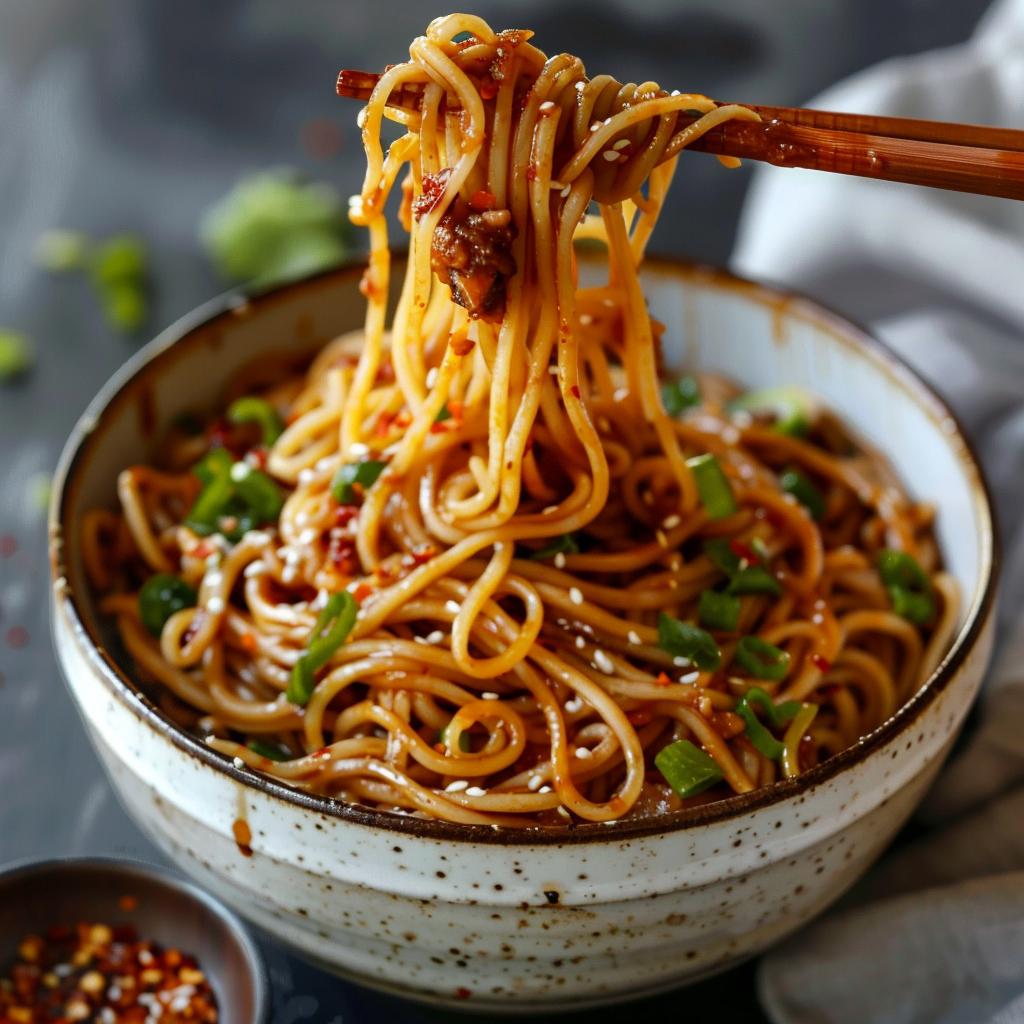
    Oma's Japchae


   – Kim•Chi•Avocado

    Common mistake: Using too much chili paste can overwhelm the other flavors. Start with a small quantity and increase it gradually. If the sauce becomes too thick, add a spoonful of noodle water.

    2. Korean Ramen Recipes for Creamy Cheese Ramen

    Creamy Korean cheese ramen is a comforting choice for anyone who likes rich, cheesy noodles. Cheese softens the sharpness of spicy seasoning and creates a smooth texture.

    For one serving, prepare one packet of ramen, a small handful of grated mozzarella or cheddar, two tablespoons of milk, and half a teaspoon of butter. You can also add a pinch of black pepper.

    Cook the noodles until they are nearly tender, then drain most of the water while keeping a few tablespoons in the pot. Add the seasoning gradually, followed by the milk and butter. Stir over low heat until combined.

    Sprinkle the grated cheese over the noodles and stir until it melts. If you want a thicker sauce, add a little more cheese. For a lighter version, use less cheese and add mushrooms or spinach.

    Cheese ramen tastes best when served immediately because the sauce thickens as it cools.

    Common mistake: Cooking the cheese over very high heat can make the sauce oily or uneven. Keep the heat low and stir gently until the cheese melts.

    3. Korean Ramen Recipes with Egg

    Egg ramen is a simple way to make a bowl of Korean noodles more satisfying. The egg adds protein and a soft texture without requiring complicated ingredients.

    Start with one packet of ramen, one egg, two cups of water or the amount recommended on the packet, and chopped spring onions. Prepare optional ingredients such as spinach, mushrooms, or a little sesame oil.

    Bring the water to a boil and add the noodles and seasoning. Cook according to the package directions. For a poached-style egg, crack the egg into the simmering broth near the end of cooking. Cover the pot and cook until the egg white is set and the yolk reaches your preferred consistency. For food safety, cook eggs until the whites and yolks are firm, or use pasteurized eggs if you prefer them less cooked.

    You can also boil the egg separately and slice it before serving. Garnish with spring onions and a few drops of sesame oil.

    This recipe works well for a quick lunch or dinner. Add vegetables for more color and texture.

    4. Korean Ramen Recipes with Fresh Vegetables

    Vegetable ramen is an easy way to add variety and freshness to a noodle meal. Cabbage, carrots, mushrooms, spinach, and spring onions all work well with Korean-style seasoning.

    For one serving, prepare ramen noodles, half a cup of sliced cabbage, half a carrot cut into thin strips, a few mushrooms, and a handful of spinach. Use the seasoning packet or make a simple sauce with soy sauce, garlic, and a small amount of gochujang.

    Heat a little oil in a pan and cook the carrots, cabbage, and mushrooms for two to three minutes. Add water or broth, followed by the noodles and seasoning. Simmer until the noodles are nearly ready, then stir in the spinach until it wilts.

    Taste the broth before adding more salt because instant ramen seasoning can already contain substantial sodium.

    Helpful tip: Cut the vegetables into similar-sized pieces so they cook evenly. Add delicate vegetables such as spinach near the end to prevent them from becoming overly soft.

    5. Korean Ramen Recipes with Kimchi

    Kimchi ramen combines noodles with kimchi, a traditional Korean fermented vegetable dish. Kimchi provides a tangy, savory flavor that works particularly well in a warm broth.

    For one serving, use one packet of ramen, about half a cup of chopped kimchi, one minced garlic clove, two cups of water or broth, and sliced spring onions. A little tofu can make the dish more substantial.

    Heat a small amount of oil in a pot and cook the garlic and kimchi for two minutes. Add the water or broth and bring it to a simmer. Stir in the ramen seasoning carefully, then add the noodles and cook according to the packet directions.

    Add tofu during the final few minutes so it warms through without breaking apart. Finish with spring onions.

    Kimchi varies in saltiness and sourness, so taste the broth before adding extra seasoning. If you prefer a milder bowl, use less kimchi or add more water.

    6. Korean Ramen Recipes with Garlic Butter

    Garlic butter ramen offers a savory alternative for people who do not always want extremely spicy noodles. Butter adds richness, while garlic creates a strong aroma.

    Prepare one packet of ramen, one tablespoon of butter, two minced garlic cloves, one teaspoon of soy sauce, and chopped spring onions. Optional ingredients include sesame seeds, mushrooms, or a little grated cheese.

    Korean School Snacks (Bunsik): Hot Dogs, Rice Cakes, Fish Cake Bars, and More

    Cook the noodles and reserve a few tablespoons of the cooking water before draining. Melt the butter in a pan over low heat and add the garlic. Cook briefly until fragrant, making sure it does not burn.

    Add soy sauce and a little noodle water, then stir in the noodles. Mix until the sauce lightly coats the noodles. Add the seasoning packet gradually if you want a stronger flavor.

    Finish with spring onions and sesame seeds. Serve immediately while the butter sauce is warm and smooth.

    Common mistake: Burnt garlic tastes bitter and can ruin the dish. Use low to medium heat and remove the pan from the heat if the garlic starts browning too quickly.

    7. Korean Ramen Recipes with Chicken

    Chicken ramen is a satisfying option for people who want a more substantial noodle meal. Tender chicken, savory broth, and Korean seasonings combine to create a comforting dish.

    For two servings, prepare two packets of ramen, approximately 200 grams of boneless chicken, two to three cups of water or broth, one garlic clove, and your preferred vegetables. You can use a little gochujang for spice or soy sauce for a milder flavor.

    Cut the chicken into small, even pieces. Cook it in a pot with a little oil until browned, then add garlic and stir briefly. Add the broth and cook until the chicken reaches an internal temperature of 74°C (165°F). Add the ramen noodles and follow the package cooking time.

    Stir in vegetables such as cabbage, carrots, or spinach. Adjust the flavor with small amounts of seasoning, then serve hot.

    To save time, you can use already-cooked chicken, but add it near the end so it heats through without becoming dry. Keep raw chicken and its juices separate from ready-to-eat ingredients.

    Korean Ramen Recipes: Cooking Tips and Common Mistakes

    Preparing delicious Korean ramen does not require advanced cooking skills, but a few simple techniques can improve the final result. First, follow the noodle packet’s cooking instructions because different noodle types require different cooking times. Overcooking can make noodles soft and unpleasant.

    Second, adjust the seasoning gradually. Many instant ramen packets contain plenty of salt, so adding extra soy sauce, salt, or salty toppings without tasting the broth can make the meal excessively salty.

    Third, choose ingredients that complement one another. Eggs, tofu, chicken, mushrooms, and vegetables can add different textures and nutrients. However, toppings do not automatically make every ramen meal balanced. Including vegetables and a suitable protein source can help create a more varied meal.

    Finally, serve ramen soon after cooking. Noodles continue absorbing broth as they sit, which can leave the dish too thick. If you are preparing ramen ahead of time, store the broth and noodles separately when practical, then combine them when reheating.

    People who are sensitive to spicy food should start with a small amount of chili paste. Anyone watching sodium intake can use less of the seasoning packet and add fresh garlic, ginger, or spring onions for extra flavor.

    Korean Ramen Recipes Comparison Table

    RecipeMain flavorApproximate timeDifficulty
    Spicy ramenHot and savory10–15 minutesEasy
    Cheese ramenCreamy and rich10–15 minutesEasy
    Egg ramenSavory and comforting10–15 minutesEasy
    Vegetable ramenFresh and savory15–20 minutesEasy
    Kimchi ramenTangy and spicy15–20 minutesEasy
    Garlic butter ramenRich and aromatic10–15 minutesEasy
    Chicken ramenHearty and savory20–30 minutesModerate

    Cooking times are estimates and depend on the ingredients, noodle brand, and preparation method.

    Korean Ramen Recipes Cooking-Time Graph

    The following graph compares the approximate preparation time for three popular options.

    Spicy Ramen       ███████       12 min
    Cheese Ramen      ███████       12 min
    Chicken Ramen     █████████████ 25 min

    These estimates are illustrative. Chicken ramen takes longer because the chicken must be cooked safely, while spicy and cheese ramen generally use fewer ingredients.

    Conclusion: Korean Ramen Recipes for Every Taste

    Korean Ramen Recipes offer plenty of ways to create quick, flavorful meals at home. Spicy ramen is ideal for chili lovers, cheese ramen delivers a creamy finish, and egg ramen provides a simple upgrade. Vegetable and kimchi ramen bring additional textures, while garlic butter ramen offers a rich alternative. Chicken ramen is a good option when you want a more substantial bowl.

    Start with the recipe that matches your taste, adjust the spice level, and experiment with fresh toppings. Remember to avoid overcooking the noodles, adding too much seasoning, or leaving chicken undercooked. With a few basic ingredients and careful preparation, homemade Korean ramen can become a versatile part of your meal routine.

  • 8 Black Sesame Desserts: Amazing Flavors & Risks

    8 Black Sesame Desserts: Amazing Flavors & Risks

    Introduction to Black Sesame Desserts

    Black Sesame Desserts are becoming popular among people who enjoy unique flavors, creative baking, and desserts inspired by Asian cuisines. Black sesame seeds have a rich, nutty taste and a slightly earthy aroma that works beautifully in puddings, cakes, cookies, ice cream, and sweet rice balls. Their deep gray color also gives desserts an attractive appearance without relying entirely on artificial coloring.

    Unlike ordinary vanilla or chocolate desserts, black sesame desserts offer a distinctive flavor that can make homemade sweets feel special. You can use roasted black sesame seeds, black sesame paste, or finely ground seeds to create a variety of recipes. These ingredients pair well with milk, coconut milk, honey, sugar, rice flour, and dark chocolate.

    Black sesame seeds also contain fat, protein, fiber, and minerals. However, desserts made with them can still contain considerable amounts of sugar and calories, depending on the recipe. People with sesame allergies must avoid these desserts because sesame can cause serious allergic reactions.

    In this article, we will explore eight delicious black sesame desserts, their potential benefits, possible risks, and practical tips for making them at home.

    Table of Contents

    1. What Makes Black Sesame Desserts Special?
    2. 8 Delicious Black Sesame Desserts
    3. Potential Benefits of Black Sesame Desserts
    4. Hidden Risks of Black Sesame Desserts
    5. Black Sesame Desserts Comparison Table
    6. Tips for Making Better Black Sesame Desserts
    7. Frequently Asked Questions
    8. Conclusion

    What Makes Black Sesame Desserts Special?

    Black sesame seeds are widely used in East Asian and other culinary traditions. They can be toasted to deepen their nutty flavor or ground into a smooth paste for desserts with a creamy texture.

    Black Sesame Ice Cream Recipe

    Their flavor is often described as earthy, roasted, and slightly bitter. This makes them especially suitable for recipes that balance sweetness with rich, savory-like notes. Black sesame can also be combined with ingredients such as coconut, vanilla, chocolate, and sweet red bean paste.

    Another appealing feature is versatility. Whole seeds add crunch, while ground sesame creates a smoother consistency. Sesame paste can be stirred into creams, cake batters, fillings, and frozen desserts.

    The key to making excellent black sesame desserts is balancing the ingredient’s natural bitterness with the right amount of sweetness. Too much sugar can overpower its distinctive taste, while too little may make the dessert taste overly earthy to some people.

    8 Delicious Black Sesame Desserts

    1. Black Sesame Pudding

    Black sesame pudding is a creamy dessert that highlights the rich flavor of ground sesame seeds. It is a good starting point for beginners because the recipe requires only a few basic ingredients.

    To prepare it, combine milk or an unsweetened plant-based alternative with black sesame paste, a sweetener, and a thickening ingredient such as cornstarch or gelatin. Heat the mixture gently while stirring until it thickens. Pour it into small serving glasses and refrigerate until set.

    For a dairy-free version, coconut milk or soy milk can provide a creamy base. You can also adjust the sweetness to suit your taste.

    The result is a smooth dessert with a nutty aroma and a dark gray color. Serve it chilled with a light sprinkle of ground sesame seeds.

    Picture idea: Small glass cups filled with creamy black sesame pudding and topped with toasted sesame seeds.

    2. Black Sesame Ice Cream

    Black sesame ice cream combines the refreshing texture of frozen dessert with the deep flavor of roasted sesame. It is an excellent choice for people who enjoy unusual ice cream flavors.

    Start with an ice cream base made from milk, cream, and sugar, or use a suitable dairy-free alternative. Mix in finely ground roasted black sesame seeds or smooth sesame paste until the color and flavor are evenly distributed.

    If you have an ice cream maker, follow its instructions to freeze the mixture. Without one, you can use a freezer-safe container and stir the mixture periodically while it freezes, although the texture may be less smooth.

    The roasted flavor pairs particularly well with vanilla and coconut. You can serve the ice cream on its own or alongside a small piece of cake.

    Because traditional ice cream often contains sugar and saturated fat, consider moderate portions if you are monitoring your overall intake.

    3. Black Sesame Cookies

    Black sesame cookies offer a crunchy or soft texture, depending on how you prepare them. Their nutty flavor makes them a delicious alternative to standard butter or chocolate chip cookies.

    Combine flour, ground black sesame seeds, butter or a suitable alternative, sugar, and a little baking powder. Mix the ingredients into a dough, shape it into small rounds, and bake until the edges become lightly golden.

    For a stronger sesame flavor, lightly toast the seeds before grinding them. Allow the seeds to cool before mixing them into the dough.

    You can also experiment with a small amount of vanilla or dark chocolate. These additions complement the earthy sesame flavor without completely covering it.

    Store the cooled cookies in an airtight container. Remember that cookies can contain significant amounts of added sugar and fat, so portion size matters even when sesame is the main flavor.

    4. Black Sesame Mochi

    Black sesame mochi is a chewy dessert inspired by Japanese-style rice cakes. It is especially appealing to people who enjoy soft textures and flavorful fillings.

    To prepare a simple version, combine glutinous rice flour, water, and a sweetener according to a reliable recipe. Cook the mixture until it becomes stretchy and sticky. Prepare a filling using black sesame paste mixed with a suitable sweetener, then carefully wrap small portions of dough around the filling.

    The dough can be very sticky, so lightly dusting your work surface with an appropriate starch can make shaping easier. Handle the warm mixture carefully to avoid burns.

    Mochi can be enjoyed in small portions because its chewy texture makes each bite feel substantial. However, traditional mochi can pose a choking risk, particularly for young children and people who have difficulty swallowing. Cut it into small pieces and chew thoroughly.

    5. Black Sesame Cheesecake

    Black sesame cheesecake brings together the tangy creaminess of cheesecake and the roasted taste of sesame. It can be served at celebrations, family gatherings, or special dinners.

    For the base, crush plain biscuits and combine them with melted butter. Press the mixture into a cake tin. Prepare a filling using cream cheese, eggs where required, sugar, and black sesame paste. Pour the filling over the base and bake according to a trusted cheesecake recipe.

    A no-bake version can be made with a suitable cream cheese filling and a setting ingredient. Keep the cheesecake refrigerated until serving.

    Black sesame gives the filling a striking gray color and a distinctive flavor that works well with a plain biscuit crust. You can decorate the top with a small amount of sesame paste or a few toasted seeds.

    Cheesecake is generally an energy-dense dessert. Smaller slices can help you enjoy its flavor without making it the main part of a meal.

    6. Black Sesame Sweet Rice Balls

    Black sesame sweet rice balls are often associated with Chinese tangyuan, a traditional food commonly enjoyed during festivals and family occasions.

    The outer layer is made from glutinous rice flour and water, which create a soft, chewy dough. The filling can be prepared from ground black sesame seeds, sugar, and fat such as butter or another suitable ingredient.

    Shape the filling into small portions, wrap the dough around each one, and seal the edges carefully. Cook the balls in gently boiling water until they float and are cooked through. Follow a tested recipe for the correct proportions and cooking time.

    These rice balls are often served in a warm, lightly sweetened liquid. Their combination of a tender outer layer and rich sesame center makes them especially satisfying.

    As with mochi, serve them in appropriately small pieces and take care when eating because their sticky texture can create a choking hazard.

    Mochi au Sésame Noir : Recette | Le Marché Japonais

    7. Black Sesame Brownies

    Black sesame brownies offer a creative twist on traditional chocolate brownies. The combination of cocoa and roasted sesame creates a rich flavor with both sweet and earthy notes.

    Prepare your favorite brownie batter using flour, cocoa powder or melted chocolate, eggs or an appropriate alternative, sugar, and butter or oil. Swirl black sesame paste through the batter before baking.

    For a more noticeable sesame flavor, add a small amount of finely ground toasted seeds. Avoid adding too much paste without adjusting the recipe because its fat content can affect the final texture.

    Bake until the center reaches the texture you prefer, following the recipe’s recommended temperature and timing. Allow the brownies to cool before cutting them into squares.

    This dessert works well for people who enjoy chocolate but want to try a more unusual flavor combination. Because brownies often contain sugar and fat, small squares are usually a practical serving size.

    8. Black Sesame Coconut Energy Bites

    Black sesame coconut energy bites are a convenient no-bake option for people who prefer small, portable snacks. They can be made using ground sesame seeds, shredded coconut, dates, and a little nut or seed butter if suitable.

    Blend the ingredients until they form a mixture that holds together. Shape it into small balls and refrigerate until firm. If the mixture is too dry, add a small amount of suitable liquid or more soft dates.

    These bites provide fats and some protein from sesame, while dates contribute sweetness and carbohydrates. Coconut adds flavor and texture.

    Although they may contain useful nutrients, energy bites are not automatically low-calorie or sugar-free. Dates and other sweet ingredients still contribute energy, so it is helpful to pay attention to portion sizes.

    Keep the bites refrigerated in a covered container and follow safe storage practices for the ingredients you use.

    Potential Benefits of Black Sesame Desserts

    Black sesame seeds contain several nutrients, including unsaturated fats, protein, fiber, and minerals such as calcium, iron, and magnesium. Their exact nutritional contribution depends on the quantity used and the other ingredients in the dessert.

    One potential advantage is flavor intensity. A relatively small amount of roasted sesame paste can add a distinctive taste, helping you create interesting desserts without relying entirely on chocolate or heavy flavorings.

    Black sesame also provides plant-based fats. Replacing some ingredients in a recipe with sesame may change its nutritional profile, but the result depends on the substitution. Adding sesame to an already rich dessert does not necessarily make it healthier.

    Some sesame-based recipes can also be adapted to different eating preferences. For example, pudding can be made with plant-based milk, and energy bites can be prepared without baking. However, people with allergies must carefully check all ingredients and avoid sesame entirely if they have a sesame allergy.

    The most useful approach is to enjoy black sesame desserts as one part of a varied diet rather than treating them as a special health remedy.

    Hidden Risks of Black Sesame Desserts

    The most important risk is sesame allergy. Sesame is a recognized food allergen and can trigger symptoms ranging from hives and swelling to serious breathing difficulties or anaphylaxis. Anyone with a sesame allergy should avoid black sesame desserts and check labels for sesame ingredients and possible cross-contact warnings.

    Added sugar is another consideration. Ice cream, cheesecake, cookies, and brownies can contain substantial amounts of sugar. Frequent large portions may make it harder to maintain a balanced diet, especially when these desserts replace more nutritious foods.

    Portion sizes also matter because sesame seeds and sesame paste are energy-dense. They contain beneficial nutrients, but they also provide considerable energy in relatively small amounts.

    Food handling is important, too. Store dairy-based puddings, cheesecakes, and other perishable desserts in the refrigerator. Keep them covered and avoid leaving them at room temperature for extended periods.

    Finally, some desserts have texture-related risks. Mochi and sticky rice balls can be difficult to swallow and may pose a choking hazard. Children and people with swallowing difficulties need particular care.

    Black Sesame Desserts Comparison Table

    The following table compares the eight recipes by preparation difficulty, texture, and general serving suggestions.

    DessertMain ingredientsDifficultyBest serving style
    Black sesame puddingSesame paste, milk, thickenerEasyChilled
    Black sesame ice creamSesame paste, milk, creamModerateFrozen
    Black sesame cookiesFlour, sesame, butterEasyRoom temperature
    Black sesame mochiGlutinous rice flour, sesame fillingModerateFresh and soft
    Black sesame cheesecakeCream cheese, sesame pasteModerateChilled
    Black sesame sweet rice ballsRice flour, sesame fillingModerateWarm
    Black sesame browniesCocoa, flour, sesame pasteEasy to moderateCooled
    Sesame coconut energy bitesSesame, coconut, datesEasyChilled

    How to Choose Your First Black Sesame Dessert

    If you are new to black sesame desserts, begin with pudding or energy bites because they require relatively little equipment. Cookies are another good starting point if you already enjoy baking.

    Illustrative dessert preference guide

    Pudding — Smooth and creamy

    Ice cream — Cold and rich

    Cookies — Crisp or soft

    Mochi — Chewy

    Cheesecake — Creamy and tangy

    Sweet rice balls — Soft with a rich filling

    Brownies — Chocolatey and earthy

    Energy bites — Dense and convenient

    This guide describes textures rather than measured popularity or nutritional rankings. The best choice depends on your taste, available ingredients, and preparation time.

    Tips for Making Better Black Sesame Desserts

    Roasting black sesame seeds lightly can deepen their flavor, but avoid burning them because over-roasted seeds may taste bitter. Let the seeds cool before grinding them.

    Use finely ground seeds or smooth sesame paste when you want a creamy texture. Whole seeds are better when you want extra crunch. If you are using packaged paste, check whether it contains added sugar, oil, or other ingredients that may affect your recipe.

    Balance the earthy flavor with ingredients such as coconut, vanilla, chocolate, or a moderate amount of sweetener. Begin with a small quantity of sesame paste, taste the mixture where food safety permits, and adjust gradually.

    For a lighter dessert, consider reducing the amount of added sugar or serving smaller portions. Keep in mind that reducing sugar can change the texture of baked goods, so use a tested recipe when making substantial changes.

    Finally, label homemade desserts if you are serving guests. Clearly identify sesame and other common allergens, and prevent cross-contact with foods intended for people who have allergies.

    Frequently Asked Questions About Black Sesame Desserts

    What do black sesame desserts taste like?

    Black sesame desserts usually have a roasted, nutty, earthy flavor with a slight bitterness. Their sweetness and texture depend on the recipe and the amount of sesame paste used.

    Are black sesame desserts healthy?

    They can provide nutrients from sesame seeds, including unsaturated fats, protein, and minerals. However, their overall nutritional value depends on ingredients such as sugar, butter, cream, and portion size.

    Can I make black sesame desserts without dairy?

    Yes. Depending on the recipe, you can use coconut milk, soy milk, or other suitable plant-based alternatives. Choose a tested recipe because substitutions may affect texture and setting.

    Can I use whole black sesame seeds instead of sesame paste?

    Yes, but the texture will be different. Grinding toasted seeds into a fine powder or paste usually creates a smoother result for puddings, fillings, and ice cream.

    Who should avoid black sesame desserts?

    People with sesame allergies should avoid them. Anyone who has been advised to limit a particular ingredient for medical reasons should also check the recipe and seek appropriate professional advice if needed.

    Conclusion

    Black sesame desserts offer a delicious way to explore a distinctive nutty flavor in both traditional and modern recipes. From creamy pudding and ice cream to cookies, mochi, cheesecake, brownies, and no-bake energy bites, there are options for different tastes and cooking skills.

    Their appeal comes from versatility, rich flavor, and the nutrients naturally present in sesame seeds. However, these desserts can still contain significant amounts of added sugar and energy, and sesame allergy can be a serious concern.

    Start with a simple recipe, use quality ingredients, and adjust sweetness to your preference. By paying attention to portion sizes, food storage, and allergy safety, you can enjoy black sesame desserts as an occasional part of a varied and balanced diet.

  • 7 Powerful Sourdough Recipes: Flavor & Mistakes

    7 Powerful Sourdough Recipes: Flavor & Mistakes

    Sourdough recipes are becoming popular among home bakers because they offer rich flavor, a chewy texture, and many creative ways to use homemade sourdough bread. From classic sourdough loaves to pancakes, pizza crust, and crackers, these recipes can help you turn a sourdough starter into delicious meals. However, successful sourdough baking requires patience, correct fermentation, and proper measurements. In this guide, you will discover seven easy sourdough recipes, helpful baking tips, and common mistakes to avoid.

    Focus Keyword: Sourdough Recipes
    Low-Competition Keyword: Easy Sourdough Recipes for Beginners

    Table of Contents: Sourdough Recipes

    1. Introduction to Sourdough Recipes
    2. Classic Sourdough Bread Recipe
    3. Sourdough Pancakes Recipe
    4. Sourdough Pizza Crust Recipe
    5. Sourdough Crackers Recipe
    6. Sourdough Sandwich Bread Recipe
    7. Sourdough Banana Bread Recipe
    8. Sourdough Flatbread Recipe
    9. Sourdough Baking Benefits and Common Mistakes
    10. Sourdough Recipes Comparison Table
    11. Sourdough Baking Graph
    12. Conclusion and Related Picks

    1. Classic Sourdough Recipes for Homemade Bread

    Classic sourdough bread is one of the most rewarding recipes to prepare at home. Its chewy interior, crisp crust, and slightly tangy flavor make it a favorite for breakfast, sandwiches, and dinner.

    To prepare one loaf, you will need 500 grams of bread flour, 350 grams of water, 100 grams of active sourdough starter, and 10 grams of salt. Mix the flour and water, then let the mixture rest for about 30 minutes. Add the active starter and salt, mixing until everything is combined.

    コレステロールを下げる朝食は?簡単メニューと避けたい食品 | コレステAIコーチ

    Allow the dough to ferment at room temperature, performing a few gentle stretches and folds during the first two hours. The total fermentation time depends on room temperature and starter strength. Once the dough has risen and developed an airy structure, shape it and allow it to proof.

    Bake in a preheated Dutch oven at approximately 230°C (450°F), following a suitable baking schedule for your loaf. Let the bread cool before slicing.

    Helpful tip: An active starter should show signs of fermentation, such as bubbles and noticeable growth. Using an inactive starter may result in dense bread.

    2. Easy Sourdough Recipes for Fluffy Pancakes

    Sourdough pancakes are a delicious way to use leftover starter discard. They are soft inside, lightly crisp around the edges, and easy to customize with fruit or other toppings.

    For a simple batch, combine one cup of sourdough discard, one cup of flour, one egg, three-quarters of a cup of milk, one tablespoon of sugar, two tablespoons of melted butter, and a pinch of salt. Add about one teaspoon of baking powder just before cooking. Adjust the milk if the batter is too thick.

    Heat a lightly greased pan over medium heat. Pour small portions of batter into the pan and cook until bubbles appear on the surface. Flip and cook the other side until golden.

    Serve with fresh berries, sliced bananas, yogurt, or a small amount of syrup.

    These pancakes are useful when you want a quick breakfast without maintaining a separate baking project. Remember that sourdough discard is not necessarily active enough to raise pancakes by itself, so baking powder helps provide a light texture.

    3. Powerful Sourdough Recipes for Homemade Pizza Crust

    Sourdough pizza crust adds a pleasant tang and chewy texture to homemade pizza. It works well with vegetables, cheese, tomato sauce, and other favorite toppings.

    Combine 500 grams of flour, 325 grams of water, 100 grams of active sourdough starter, 10 grams of salt, and one tablespoon of olive oil. Mix until a dough forms, then knead gently or use stretch-and-fold movements to develop its structure.

    Let the dough ferment until it becomes noticeably expanded and easier to handle. Depending on the temperature and starter activity, this may take several hours. Divide the dough into portions and shape them into rounds.

    Add tomato sauce, mozzarella, vegetables, or other toppings. Bake on a preheated pizza stone or hot baking tray at a high oven temperature until the crust is browned and the toppings are cooked.

    Common mistake: Adding too much sauce or wet toppings can make the center soggy. Use a moderate amount of sauce and avoid overcrowding the pizza.

    4. Easy Sourdough Recipes for Crispy Crackers

    Sourdough crackers are a practical option for using leftover starter discard. They are thin, crunchy, and suitable for serving with cheese, hummus, or dips.

    Qu'est-ce que la lacto-fermentation ?

        – Quintesensbio

    Mix one cup of sourdough discard with one cup of flour, two tablespoons of olive oil or melted butter, half a teaspoon of salt, and your preferred seasonings. Garlic powder, dried herbs, sesame seeds, or black pepper can add extra flavor.

    Roll the dough very thinly between sheets of baking paper. Cut it into small squares and transfer the pieces to a baking tray. Bake at approximately 175°C (350°F) until the crackers are dry and lightly golden, usually around 15–25 minutes depending on thickness.

    Watch the tray closely because thin crackers can burn quickly. Let them cool completely before storing them in an airtight container.

    For a more flavorful result, experiment with rosemary, paprika, or mixed seeds. Avoid making the dough too thick, because thicker pieces may stay soft in the middle.

    5. Best Sourdough Recipes for Soft Sandwich Bread

    Sourdough sandwich bread is ideal for toast, school lunches, and everyday sandwiches. Unlike a rustic loaf, this version is usually baked in a loaf pan and shaped for even slices.

    Combine 450 grams of bread flour, 100 grams of active sourdough starter, 250 grams of water or milk, 30 grams of softened butter or oil, 20 grams of sugar or honey, and 9 grams of salt.

    Mix the ingredients and knead until the dough becomes smooth and elastic. Let it ferment until it has grown noticeably. Shape it into a log, place it in a greased loaf pan, and allow it to rise again until puffy.

    Bake at approximately 190°C (375°F) until the loaf is browned and cooked through. Let it cool before slicing so that the inside can set properly.

    This bread can be softer than a traditional crusty sourdough loaf, particularly when made with milk or a little fat. However, adding excessive flour during kneading can make the finished loaf dry and heavy.

    6. Delicious Sourdough Recipes for Banana Bread

    Sourdough banana bread is a tasty way to use ripe bananas and sourdough discard. It is different from traditional sourdough bread because it is generally a quick bread leavened with baking soda or baking powder rather than relying on starter fermentation alone.

    Mash three ripe bananas in a bowl. Mix in one egg, one-third cup of oil or melted butter, half a cup of sugar, and half a cup of sourdough discard. In another bowl, combine one and a half cups of flour, one teaspoon of baking soda, a pinch of salt, and a little cinnamon.

    Combine the wet and dry ingredients without overmixing. Transfer the batter to a greased loaf pan and bake at approximately 175°C (350°F) for 50–65 minutes, checking the center with a toothpick.

    Allow the loaf to cool before cutting. You can add walnuts or chocolate chips if desired.

    The most common mistake is using bananas that are not ripe enough. Ripe bananas provide more sweetness and a softer texture, while excessive mixing can make the loaf dense.

    7. Simple Sourdough Recipes for Homemade Flatbread

    Sourdough flatbread is a flexible option for wraps, quick lunches, and serving alongside soups or curries. It can be cooked in a skillet without needing a conventional oven.

    Combine two cups of flour, half a cup of sourdough discard, about half a cup of water or yogurt, one tablespoon of olive oil, and half a teaspoon of salt. Add liquid gradually until a soft dough forms.

    Let the dough rest for around 30–60 minutes. Divide it into small balls and roll each one into a thin circle. Heat a skillet over medium-high heat and cook each flatbread for roughly one to two minutes per side, adjusting the heat as needed.

    Small bubbles and brown spots are signs that the bread is cooking properly. Brush lightly with olive oil or butter after cooking if you prefer a softer texture.

    You can use the flatbreads for wraps, serve them with lentils, or pair them with roasted vegetables. Avoid rolling them too thickly, because thick pieces may remain doughy in the center.

    Sourdough Recipes: Benefits and Common Mistakes

    Sourdough baking offers several practical advantages. Homemade bread allows you to control the ingredients, adjust the flavor, and experiment with different flours. Fermentation also creates the characteristic tangy taste and can change the structure of the dough.

    Some sourdough fermentation processes may reduce certain compounds, such as phytate, in whole-grain bread. However, the nutritional effects vary by recipe, flour, and fermentation conditions. Sourdough bread is not automatically gluten-free, and ordinary sourdough should not be considered safe for people with celiac disease.

    The biggest mistake beginners make is following the clock instead of observing the dough. Fermentation speed changes with temperature, starter activity, and flour type. Another common problem is using too much flour when shaping, which can create a dry loaf.

    Incorrect storage can also affect freshness. Store fully cooled bread in a suitable bread bag or container, and freeze portions you will not eat soon. Refrigeration can make bread stale faster, so freezing is often a better option for longer storage.

    Sourdough Recipes Comparison Table

    Sourdough recipeMain ingredientApproximate preparation timeSkill level
    Classic sourdough breadBread flour8–24 hours, including fermentationIntermediate
    Sourdough pancakesStarter discard20–30 minutesBeginner
    Sourdough pizza crustBread flour5–12 hours, depending on fermentationIntermediate
    Sourdough crackersStarter discard30–45 minutesBeginner
    Sandwich breadBread flour5–10 hours, depending on fermentationIntermediate
    Banana breadBananas and discard60–80 minutesBeginner
    Sourdough flatbreadFlour and starter discard30–60 minutesBeginner

    Times are estimates. Actual preparation and fermentation depend on your recipe, starter activity, and kitchen temperature.

    Sourdough Recipes Baking-Time Graph

    The following text graph compares approximate active preparation and cooking time for three quick sourdough recipes. It excludes long fermentation periods.

    Approximate total hands-on and cooking time

    Sourdough Pancakes   █████                 25 min
    Sourdough Crackers   ████████              40 min
    Sourdough Banana Bread █████████████       70 min

    These figures are estimates rather than laboratory measurements. Pancakes are usually the fastest choice, crackers take longer because they need to become crisp, and banana bread requires a longer baking period.

    Sourdough Recipes: Final Tips for Better Results

    The best way to improve your sourdough recipes is to practice consistently and make small adjustments. Use a kitchen scale for more accurate measurements, keep notes about fermentation times, and observe how your dough changes during rising.

    Choose pancakes, crackers, or flatbread if you want to use starter discard quickly. Try classic sourdough bread or sandwich bread when you have more time for fermentation. Pizza crust is a useful weekend project, while banana bread is a convenient way to use ripe fruit.

    Do not expect every loaf to look perfect on the first attempt. Temperature, flour, hydration, and starter activity all influence the result. With patience and careful observation, you can build confidence and discover which sourdough recipes suit your kitchen best.

    Homemade sourdough can bring variety and flavor to everyday meals. Start with a beginner-friendly recipe, avoid rushing fermentation, and enjoy learning one bake at a time.

  • 8 Powerful Easy Meal Prep Ideas: Benefits & Hidden Risks

    8 Powerful Easy Meal Prep Ideas: Benefits & Hidden Risks

    Introduction to Easy Meal Prep Ideas

    Easy Meal Prep Ideas can help you save time, reduce food waste, and make everyday cooking much easier. Whether you are a student, a busy professional, or someone managing a household, preparing meals in advance can reduce the stress of deciding what to cook every day. Instead of ordering takeaway food or relying on expensive convenience meals, you can prepare simple dishes at home using affordable ingredients.

    The best easy meal prep ideas do not require expensive kitchen equipment, complicated recipes, or hours of cooking. Foods such as rice, chicken, eggs, beans, lentils, vegetables, pasta, and oats can become the foundation of several convenient meals. With a little planning, you can prepare ingredients in advance and combine them in different ways throughout the week.

    However, meal preparation also requires attention to food safety, portion sizes, and proper storage. Cooking too much food without a storage plan can lead to waste, while leaving cooked meals at room temperature for too long can increase the risk of foodborne illness.

    In this article, we will explore eight powerful easy meal prep ideas, their benefits, possible risks, and practical tips for creating a simple weekly meal preparation routine.

    Table of Contents

    1. Why Easy Meal Prep Ideas Matter
    2. 8 Powerful Easy Meal Prep Ideas
    3. Benefits of Easy Meal Prep Ideas
    4. Hidden Risks of Meal Preparation
    5. Easy Meal Prep Comparison Table
    6. Weekly Meal Prep Planning Graph
    7. Tips for Successful Meal Preparation
    8. Frequently Asked Questions
    9. Conclusion

    Why Easy Meal Prep Ideas Matter

    Easy meal prep ideas are useful because they make daily food decisions more manageable. When you already have cooked ingredients or prepared meals in the refrigerator, you spend less time cooking during busy periods.

    Muscle Recovery Nutrition: 7 Science-Backed Foods That Work | NutriScan App

    Meal preparation can also help control spending. Planning meals before shopping makes it easier to purchase only the ingredients you need. You can reuse ingredients across different recipes instead of buying a separate set of products for every meal.

    Another advantage is consistency. Preparing balanced meals in advance can help you include vegetables, protein sources, whole grains, and other nutritious foods more regularly. You can also adjust portions according to your appetite and individual needs.

    Meal preparation does not mean eating the same dish every day. You can cook a few basic ingredients and combine them differently throughout the week, making your meals more varied without creating extra work.

    8 Powerful Easy Meal Prep Ideas

    1. Easy Meal Prep Ideas with Chicken and Rice Bowls

    Chicken and rice bowls are practical meal prep options because their ingredients can be prepared in batches and combined with different vegetables and seasonings.

    To prepare this meal, cook rice according to the package instructions. Season chicken with garlic, black pepper, paprika, and a small amount of oil, then cook it thoroughly. Prepare vegetables such as carrots, broccoli, capsicum, or green beans.

    Divide the cooked rice, chicken, and vegetables into individual meal containers. You can change the flavor throughout the week by using different seasonings or sauces, provided the sauces are stored safely.

    Chicken provides protein, rice supplies carbohydrates, and vegetables contribute fiber and micronutrients. You can also replace chicken with beans, chickpeas, or tofu if you prefer a plant-based option.

    For better food safety, refrigerate the prepared portions promptly and use them within three to four days. Freeze portions that you plan to eat later.

    Picture 1: A row of meal prep containers filled with grilled chicken, rice, and colorful vegetables.

    2. Easy Meal Prep Ideas with Overnight Oats

    Overnight oats are a convenient breakfast option for people who want to prepare food the night before. They require little cooking and can be customized with affordable ingredients.

    Place rolled oats in a clean container and add milk or an unsweetened plant-based alternative. Stir thoroughly, cover, and refrigerate overnight. In the morning, add banana slices, berries, cinnamon, or a spoonful of seeds.

    For additional protein, mix in plain Greek yogurt or another suitable protein-rich ingredient. If you prefer a sweeter taste, use ripe fruit rather than adding large amounts of sugar.

    Overnight oats provide carbohydrates and fiber, while milk and yogurt can contribute protein and calcium. The oats can be portioned into separate containers, making breakfast easier on busy mornings.

    Prepare only the number of servings you can consume within a few days, keep them refrigerated, and use clean utensils when serving.

    3. Easy Meal Prep Ideas with Vegetable Pasta

    Vegetable pasta is a flexible meal prep option that helps you use common pantry ingredients and seasonal vegetables.

    Cook pasta according to the package instructions. In a separate pan, prepare a simple tomato sauce with onions, garlic, tomatoes, and a little olive oil. Add vegetables such as spinach, carrots, mushrooms, or capsicum, then combine the sauce with the cooked pasta.

    Meal Prep Curries That Taste Better the Next Day | Vegan-Friendly

    For a more balanced meal, add cooked lentils, beans, chickpeas, or chicken. You can divide the pasta into containers for convenient lunches or dinners.

    One advantage of this recipe is that the ingredients are easy to substitute. If one vegetable becomes expensive, use another that is available locally. You can also prepare the sauce in advance and cook fresh pasta when needed.

    Cool cooked food promptly, refrigerate it safely, and reheat only the portion you intend to eat.

    4. Easy Meal Prep Ideas with Egg and Vegetable Muffins

    Egg and vegetable muffins are useful for breakfast, lunchboxes, or quick snacks. They can be prepared in a muffin tray and divided into portions for several meals.

    Beat eggs in a bowl and add finely chopped spinach, onions, tomatoes, capsicum, and black pepper. Pour the mixture into lightly greased muffin cups and bake until the eggs are completely set.

    Allow the muffins to cool briefly, then refrigerate them in covered containers. Serve them with whole-grain toast, fruit, or a small salad to create a more complete meal.

    Eggs provide protein, while vegetables add flavor and nutrients. You can also include a small amount of cheese if desired.

    This recipe is especially helpful when mornings are busy because the muffins can be reheated before eating. Keep them refrigerated and consume them within three to four days, or freeze portions for longer storage.

    5. Easy Meal Prep Ideas with Chickpea Salad

    Chickpea salad is a simple meal prep option for people who want a plant-based lunch or a light dinner. Chickpeas provide plant protein and fiber, making them a useful ingredient for filling meals.

    Combine cooked chickpeas with chopped cucumber, tomatoes, onions, and fresh coriander. Add lemon juice, black pepper, cumin, and a little olive oil for flavor.

    For meal preparation, keep the dressing separate until serving if you want the vegetables to remain crisp. You can also add cooked grains, such as rice or quinoa, to make the meal more substantial.

    Chickpea salad is flexible and affordable when you use seasonal vegetables. It can be served alone, placed inside a flatbread, or paired with a boiled egg or yogurt.

    Because this salad contains fresh vegetables, store it in a sealed container in the refrigerator and use it promptly. Keep any ingredients that spoil quickly properly chilled.

    6. Easy Meal Prep Ideas with Homemade Bean Wraps

    Homemade bean wraps are convenient for school lunches, office meals, or quick dinners. They can be prepared using kidney beans, chickpeas, black beans, or other beans available at a reasonable price.

    Cook the beans with onions, tomatoes, garlic, cumin, and your preferred spices. Allow the filling to cool, then divide it into meal-sized portions.

    When you are ready to eat, place the filling inside a flatbread or tortilla and add fresh vegetables. You can also include a little plain yogurt or another suitable sauce.

    For the best texture, store the bean filling separately from the flatbreads and fresh vegetables. Assemble the wraps shortly before eating to prevent them from becoming soggy.

    Beans provide fiber and plant protein, while vegetables add color and variety. Preparing a large batch of filling can also reduce cooking time because the same mixture can be served with rice or used in a salad bowl.

    7. Easy Meal Prep Ideas with Baked Potatoes and Vegetables

    Baked potatoes with vegetables offer a budget-friendly meal that can be adapted to different tastes. Potatoes provide carbohydrates and potassium, while vegetables contribute fiber and other nutrients.

    Wash the potatoes, cut them into suitable pieces, and season them with a modest amount of oil, black pepper, paprika, and herbs. Bake until tender and lightly browned.

    Prepare a separate batch of vegetables, such as carrots, broccoli, cauliflower, or green beans. For extra protein, serve the meal with beans, chickpeas, cottage cheese, or another suitable protein source.

    Divide the cooked ingredients into individual containers and refrigerate them promptly. You can change the flavor by adding different herbs or serving the vegetables with a yogurt-based sauce.

    This meal works well for lunch or dinner because the ingredients are simple and can be purchased according to local prices. Using seasonal vegetables can make it even more economical.

    8. Easy Meal Prep Ideas with Lentil Curry and Rice

    Lentil curry and rice are excellent meal prep choices because they use affordable pantry ingredients and can provide several servings in one cooking session.

    Rinse the lentils and cook them with onions, tomatoes, garlic, turmeric, cumin, and water. Simmer until the lentils become tender and the curry reaches your preferred consistency.

    Prepare rice separately and divide both components into clean meal containers. You can also include a serving of cooked vegetables or a small salad when eating.

    Lentils provide plant protein, fiber, and several minerals. Rice contributes carbohydrates, while vegetables help add variety to the meal.

    This recipe is especially useful for families and students because it can be prepared in larger quantities without requiring expensive ingredients. Refrigerate the portions you plan to eat within three to four days and freeze the remaining servings promptly.

    Benefits of Easy Meal Prep Ideas

    Easy meal prep ideas can make everyday life more organized by reducing the amount of cooking required during busy hours. Instead of preparing every meal from scratch, you can cook several ingredients in one session and use them throughout the week.

    Another important benefit is budget management. A shopping list based on planned meals can help prevent unnecessary purchases and reduce food waste. For example, one batch of cooked chickpeas can be used for salad, wraps, and a rice bowl.

    Meal preparation may also make balanced eating easier. Having prepared vegetables, protein sources, and grains available can help you assemble a meal quickly instead of relying on whatever food is most convenient.

    Portion planning is another advantage. Dividing food into individual containers makes it easier to see how much you have prepared and reduces the likelihood of cooking excessive amounts.

    Finally, meal prep can reduce daily decision-making. When your meals are planned, you have more time for studying, working, exercising, or spending time with family.

    Hidden Risks of Easy Meal Prep Ideas

    Although meal preparation has several advantages, poor planning can create problems. One common risk is improper food storage. Cooked foods should not be left at room temperature for extended periods because harmful bacteria can grow.

    Another issue is preparing too much food. If you cook more portions than you can safely store or realistically eat, ingredients may be wasted. Start with a manageable plan and increase the quantity only when necessary.

    Repetition can also make meal prep less enjoyable. Eating the same meal every day may reduce variety in your diet. To prevent this, use different seasonings, vegetables, and protein sources throughout the week.

    Some people also make meals too restrictive by focusing only on calories or protein. A balanced meal should provide a suitable combination of nutrients based on individual needs.

    Finally, containers and preparation surfaces should be clean. Separate raw meat from ready-to-eat foods, wash produce thoroughly, and reheat leftovers until they are steaming hot throughout.

    Easy Meal Prep Comparison Table

    The following table compares the eight meal prep ideas according to their main ingredients, preparation effort, and best use.

    Meal prep ideaMain ingredientsPreparation levelBest use
    Chicken and rice bowlsChicken, rice, vegetablesModerateLunch or dinner
    Overnight oatsOats, milk, fruitEasyBreakfast
    Vegetable pastaPasta, vegetables, tomato sauceEasyLunch or dinner
    Egg muffinsEggs, vegetablesEasyBreakfast or snack
    Chickpea saladChickpeas, fresh vegetablesEasyLunch
    Bean wrapsBeans, flatbread, vegetablesEasyLunch or dinner
    Baked potatoesPotatoes, vegetablesModerateLunch or dinner
    Lentil curry and riceLentils, rice, spicesModerateFamily meals

    Weekly Meal Prep Planning Graph

    A simple weekly plan can help you organize your cooking without preparing every meal in advance. Here is an example of how you could distribute meal preparation across the week.

    Example weekly meal prep schedule

    Monday — Chicken and rice bowls

    Tuesday — Overnight oats and vegetable pasta

    Wednesday — Egg muffins and chickpea salad

    Thursday — Bean wraps

    Friday — Baked potatoes and vegetables

    Saturday — Lentil curry and rice

    Sunday — Use frozen portions, prepare fresh ingredients, or plan the next week

    This schedule is an illustrative plan rather than a measurement-based graph. You can swap meals according to your preferences, budget, and available ingredients. Preparing two or three main dishes at a time may be easier than cooking the entire week’s food in one session.

    Tips for Successful Easy Meal Prep Ideas

    Start by planning meals around ingredients you already have. Check your refrigerator, freezer, and pantry before making a shopping list. This reduces unnecessary spending and helps you use food before it spoils.

    Choose recipes that share ingredients but offer different flavors. Rice can accompany chicken one day and lentil curry another day. Vegetables can be used in pasta, salads, and egg muffins.

    Invest in clean, food-safe containers with secure lids. Separate sauces and dressings when necessary, and label containers with preparation dates so you can track how long food has been stored.

    Follow food safety guidelines carefully. Refrigerate perishable food within two hours of cooking, or within one hour when the temperature is above 32°C (90°F). Keep your refrigerator at 4°C (40°F) or below. Most cooked leftovers should be used within three to four days; freeze portions intended for later.

    You can also prepare ingredients rather than complete meals. Washing vegetables, cooking rice, portioning nuts, and preparing sauces in advance can save time while allowing you to assemble different meals when needed.

    Frequently Asked Questions About Easy Meal Prep Ideas

    What are the easiest meals to prepare in advance?

    Overnight oats, chickpea salad, egg muffins, vegetable pasta, and bean wraps are practical choices. They use common ingredients and can be prepared with relatively little effort.

    How many days can meal prep food stay in the refrigerator?

    As a general guideline, most cooked leftovers can be refrigerated for three to four days when cooled and stored properly. Freeze extra portions promptly if you plan to eat them later.

    Are Easy Meal Prep Ideas good for saving money?

    They can help reduce food waste, limit takeaway purchases, and make shopping more organized. Actual savings depend on ingredient prices, portion sizes, and how much prepared food you use.

    Can beginners prepare meals for an entire week?

    Yes, but beginners may find it easier to start with two or three days of meals. This approach helps them learn portion sizes, storage needs, and which recipes they enjoy before preparing larger quantities.

    What equipment is needed for meal preparation?

    Basic equipment includes a chopping board, knife, cooking pots, pans, and clean food-safe containers. A blender or oven may be useful for particular recipes, but they are not essential for every meal prep plan.

    Conclusion

    These eight powerful easy meal prep ideas show how simple ingredients can make everyday cooking more convenient. Chicken and rice bowls, overnight oats, vegetable pasta, egg muffins, chickpea salad, bean wraps, baked potatoes, and lentil curry offer flexible options for different schedules and budgets.

    The biggest benefits come from planning meals, using ingredients efficiently, and preparing realistic portions. At the same time, proper refrigeration, safe reheating, and dietary variety are essential for making meal preparation practical and safe.

    Start with two or three recipes that suit your routine, then build a weekly plan around foods you enjoy. With consistent preparation, you can spend less time deciding what to cook and make everyday meals easier to manage.

  • 7 Powerful Vegetarian Protein Meals: Strength & Risks

    7 Powerful Vegetarian Protein Meals: Strength & Risks

    Introduction to Vegetarian Protein Meals

    Vegetarian Protein Meals are an excellent choice for people who want to build strength, support muscle recovery, and enjoy nutritious food without eating meat. Foods such as lentils, chickpeas, beans, tofu, paneer, and Greek yogurt can provide protein while adding variety to everyday meals. Whether you prefer traditional Pakistani daal, chickpea curry, or a modern tofu bowl, there are many affordable and delicious options to explore. However, relying on only one protein source or preparing meals without enough variety can make it harder to meet your nutritional needs. Choosing balanced ingredients and suitable portions can help you enjoy the benefits of vegetarian eating while avoiding common mistakes.

    Table of Contents

    1. What Are Vegetarian Protein Meals?
    2. 7 Powerful Vegetarian Protein Meals
    3. Benefits of Vegetarian Protein Meals
    4. Common Mistakes and Hidden Risks
    5. Vegetarian Protein Meals Comparison Table
    6. Graph of Protein Content
    7. Tips for Building Balanced Vegetarian Meals
    8. Conclusion
    9. Related Picks

    What Are Vegetarian Protein Meals?

    Vegetarian Protein Meals are dishes that provide protein from plant-based foods, dairy products, eggs where included in the diet, or combinations of these ingredients. Protein is essential for building and repairing body tissues, supporting muscles, and producing enzymes and hormones.

    Plant-based protein sources include lentils, kidney beans, chickpeas, peas, tofu, tempeh, nuts, and seeds. Vegetarians who consume dairy can also obtain protein from milk, yogurt, and paneer. The best choices depend on personal preferences, dietary restrictions, availability, and budget.

    Lunch served

    Eating a variety of protein-rich foods throughout the day can help provide essential amino acids and other important nutrients. You do not need expensive powders or special products to prepare satisfying vegetarian meals.

    7 Powerful Vegetarian Protein Meals for Strength

    1. Vegetarian Protein Meals with Lentil Daal

    Lentil daal is one of the most affordable and practical Vegetarian Protein Meals for everyday cooking. Lentils provide plant protein, fiber, folate, iron, and other nutrients. They are widely used in Pakistani households and can be served with roti, rice, or vegetables.

    To prepare a balanced daal meal, cook lentils with turmeric, cumin, garlic, ginger, and a moderate amount of oil. Add tomatoes or spinach for extra flavor and variety. Pair the daal with whole-wheat roti and a side of vegetables to create a satisfying meal.

    A cup of cooked lentils provides approximately 18 grams of protein, although the amount varies by variety and preparation. Lentils also contain carbohydrates and fiber, making them useful for people who need energy throughout the day.

    One common mistake is using excessive oil in the final tempering. You can maintain the traditional flavor with a smaller amount of oil and well-chosen spices.

    2. Vegetarian Protein Meals with Chickpea Curry

    Chickpea curry, commonly known as chana masala, is a flavorful source of plant protein. Chickpeas also provide fiber, folate, iron, and other nutrients, making them a useful ingredient for filling lunches and dinners.

    Cook chickpeas with onions, tomatoes, garlic, ginger, and spices such as cumin and coriander. Serve them with roti, brown rice, or a small portion of plain yogurt if dairy is part of your diet.

    One cup of cooked chickpeas contains approximately 14–15 grams of protein. The fiber in chickpeas may also help support fullness and regular bowel movements.

    A frequent mistake is adding too much oil or salt to the curry. Another is increasing chickpea portions suddenly when you are not accustomed to eating legumes, which can cause gas or bloating. Start with a comfortable serving and increase gradually.

    3. Vegetarian Protein Meals with Tofu Stir-Fry

    Tofu is a versatile protein source made from soybeans. It absorbs the flavors of sauces and spices, making it suitable for stir-fries, curries, and rice bowls. Tofu is particularly useful for people following vegan diets because it contains all nine essential amino acids.

    For an easy meal, cook tofu cubes with capsicum, carrots, broccoli, garlic, and ginger. Add a modest amount of soy sauce or another preferred seasoning. Serve the mixture with brown rice or another whole grain.

    A 100-gram serving of firm tofu commonly provides around 12–17 grams of protein, depending on the brand and firmness. Check the nutrition label for the product you buy.

    Avoid relying on heavily fried tofu or salty sauces every day. Baking, grilling, or stir-frying with a moderate amount of oil can help you prepare a flavorful meal without adding unnecessary amounts of fat or sodium.

    Protein-Packed Muscle Building Breakfast Bowl - Mr. Cook

    4. Vegetarian Protein Meals with Paneer and Vegetables

    Paneer is a popular vegetarian protein source in South Asian cooking. It provides protein and calcium, although its fat content can vary depending on how it is prepared.

    Prepare paneer bhurji by crumbling paneer and cooking it with onions, tomatoes, capsicum, turmeric, and black pepper. You can also add spinach or peas to increase vegetable variety. Serve it with whole-wheat roti or a small portion of rice.

    A 100-gram serving of paneer often contains approximately 15–20 grams of protein, but the exact amount depends on the recipe and product. Paneer may also be high in saturated fat, so portion size and overall dietary balance matter.

    One mistake is deep-frying paneer or covering it with heavy cream in every recipe. Grilled paneer or lightly cooked paneer bhurji can be practical alternatives for regular meals.

    5. Vegetarian Protein Meals with Kidney Beans

    Kidney beans, also known as rajma, provide plant protein, fiber, and several minerals. Rajma curry is a familiar and filling dish that works well with rice or whole-wheat roti.

    Soak dried kidney beans and cook them thoroughly until soft. Prepare the curry with tomatoes, onions, garlic, ginger, and spices. Proper cooking is essential because raw or undercooked kidney beans can contain harmful levels of a natural toxin.

    One cup of cooked kidney beans typically provides around 15 grams of protein. They are also rich in fiber, which can support digestive health when introduced gradually.

    Avoid eating raw or undercooked kidney beans, including beans that have only been warmed in a slow cooker. Use properly boiled beans or canned beans that have been safely processed and heated according to the package directions.

    6. Vegetarian Protein Meals with Greek Yogurt and Chickpea Bowls

    A yogurt and chickpea bowl combines dairy protein with plant protein. It can be a convenient option for lunch when you want something simple, flavorful, and quick to assemble.

    Place cooked chickpeas in a bowl with cucumber, tomatoes, coriander, and a spoonful of plain Greek yogurt. Add cumin, black pepper, and lemon juice for extra flavor. If you prefer a vegan meal, use an unsweetened soy yogurt with a suitable protein content.

    A 170-gram serving of plain Greek yogurt may provide around 15–18 grams of protein, depending on the brand. A half-cup of cooked chickpeas adds roughly 7 grams more.

    Choose plain yogurt rather than sweetened varieties, which can contain added sugar. Keep the bowl refrigerated until serving, particularly in warm weather, and use a clean, leakproof container when taking it to school or work.

    7. Vegetarian Protein Meals with Peanut and Bean Rice Bowls

    A rice bowl with beans, vegetables, and a small amount of peanuts or peanut butter can provide protein, carbohydrates, fiber, and healthy fats. It is also adaptable to different tastes and budgets.

    Start with cooked rice and add black beans, kidney beans, or chickpeas. Include vegetables such as carrots, peas, and capsicum. Finish with a small serving of roasted peanuts or a light peanut dressing made with unsweetened peanut butter, lemon juice, and water.

    The protein content depends on the amounts of rice, beans, and peanuts used. Beans usually provide most of the protein, while peanuts contribute additional protein and energy.

    A common mistake is adding too much peanut butter or salty sauce. Both can increase calories or sodium quickly. Use moderate portions and adjust the ingredients to suit your nutritional needs.

    Benefits of Vegetarian Protein Meals

    Vegetarian Protein Meals Support Muscle Recovery

    Protein provides amino acids that the body uses to repair and maintain muscle tissue. Combining a variety of vegetarian protein sources with regular resistance exercise can support strength and muscle development.

    Total daily protein intake, energy intake, sleep, and exercise all matter. Eating one high-protein meal alone does not guarantee muscle growth.

    Vegetarian Protein Meals Provide Fiber and Nutrients

    Legumes such as lentils, chickpeas, and beans provide protein alongside fiber, folate, and minerals. Fiber supports digestive health and may help people feel full for longer.

    Plant foods also provide a range of vitamins and beneficial compounds. Including different colored vegetables, fruits, and whole grains can improve overall dietary variety.

    Vegetarian Protein Meals Can Be Budget-Friendly

    Dried lentils, chickpeas, kidney beans, and seasonal vegetables can be economical choices. Cooking larger batches and refrigerating or freezing suitable portions can save time and make meal planning easier.

    Tofu, paneer, and Greek yogurt offer additional choices, depending on local prices and availability.

    Vegetarian Protein Meals Support Flexible Eating

    Vegetarian protein meals can be adapted to vegan, dairy-inclusive, and other eating patterns. For a vegan diet, legumes, tofu, tempeh, and appropriately selected soy products can provide useful protein.

    People following fully plant-based diets should also pay attention to nutrients such as vitamin B12, which generally requires fortified foods or supplements. Personalized advice may be helpful when planning a long-term diet.

    Common Mistakes and Hidden Risks of Vegetarian Protein Meals

    Mistake 1: Relying on Only One Protein Source

    Eating the same protein food every day can reduce variety in the diet. Rotate lentils, chickpeas, beans, tofu, nuts, seeds, and dairy products if suitable. Variety helps provide a broader range of nutrients.

    Mistake 2: Eating Too Little Overall Food

    Some people replace meat without replacing enough protein or total energy. This can make it harder to meet nutritional needs, especially during periods of heavy exercise or growth. Include substantial protein sources and enough food to meet your energy requirements.

    Mistake 3: Ignoring Important Nutrients

    Vegetarian diets can be nutritious, but some nutrients require extra attention. Iron from plant foods is less readily absorbed than iron from many animal sources, so combining legumes with vitamin C-rich foods such as tomatoes, peppers, or citrus fruit can help improve iron absorption.

    Vegans also need a reliable source of vitamin B12. Depending on food choices, vitamin D, calcium, iodine, and omega-3 fats may deserve attention.

    Mistake 4: Using Too Much Oil and Salt

    Deep-frying foods or adding large amounts of salt and sauces can reduce the nutritional advantages of an otherwise balanced meal. Use spices, herbs, lemon juice, and moderate amounts of oil to maintain flavor.

    Mistake 5: Preparing Beans Incorrectly

    Some dried beans require soaking and thorough boiling before eating. Kidney beans are particularly important to cook properly because undercooked beans can cause illness. Follow safe preparation instructions and do not assume that a brief warming is enough.

    Vegetarian Protein Meals Comparison Table

    MealMain Protein SourceApproximate Protein
    Lentil daal1 cup cooked lentils18 g
    Chickpea curry1 cup cooked chickpeas14–15 g
    Tofu stir-fry100 g firm tofu12–17 g
    Paneer bhurji100 g paneer15–20 g
    Rajma curry1 cup cooked kidney beansAbout 15 g
    Yogurt and chickpea bowl170 g Greek yogurt + ½ cup chickpeasAbout 22–25 g
    Bean rice bowl1 cup cooked beans, excluding riceAbout 15 g

    Protein figures are approximate. Actual amounts vary by product, recipe, and serving size. The yogurt and chickpea bowl estimate assumes plain Greek yogurt and cooked chickpeas.

    Graph: Approximate Protein Content of Vegetarian Foods

    The graph below compares the approximate protein in the portions listed above.

    Protein per serving

    Lentils — 18 g: ██████████████████
    Chickpeas — 15 g: ███████████████
    Firm tofu — 15 g: ███████████████
    Paneer — 18 g: ██████████████████
    Kidney beans — 15 g: ███████████████
    Greek yogurt and chickpeas — 24 g: ████████████████████████
    Cooked beans — 15 g: ███████████████

    Each block represents approximately 1 gram of protein. Values are illustrative estimates, not laboratory measurements.

    The comparison shows that a meal combining two protein sources, such as Greek yogurt and chickpeas, can provide more protein than either ingredient alone. However, choose portions according to your appetite, health needs, and total daily diet rather than focusing on one number.

    Tips for Building Better Vegetarian Protein Meals

    Plan Vegetarian Protein Meals for the Week

    Prepare a few staple ingredients in advance, such as cooked lentils, chickpeas, rice, or washed vegetables. Refrigerate them promptly in suitable containers and use them within recommended storage times. This makes it easier to assemble meals on busy days.

    Combine Vegetarian Protein Meals with Whole Foods

    Pair protein-rich foods with vegetables, whole grains, and healthy fats. For example, daal with whole-wheat roti and vegetables creates a more varied meal than eating daal alone.

    Choose Protein Sources That Suit Your Budget

    Dried lentils and beans are often economical, while tofu, paneer, and Greek yogurt provide additional options. Use locally available ingredients and compare nutrition labels when buying packaged products.

    Increase Legumes Gradually

    If beans and lentils are not a regular part of your diet, begin with smaller servings and increase them as tolerated. Drink water regularly and cook legumes thoroughly to improve texture and make them easier to eat.

    Conclusion: Vegetarian Protein Meals for Strength and Better Nutrition

    Vegetarian Protein Meals can provide useful amounts of protein while offering fiber, vitamins, minerals, and variety. Lentil daal, chickpea curry, tofu stir-fry, paneer bhurji, kidney bean curry, yogurt and chickpea bowls, and bean rice bowls are practical options for everyday eating.

    The key is to choose a variety of protein sources, eat enough overall food, and pay attention to nutrients that may require extra planning. Avoid excessive oil and salt, prepare beans safely, and choose portions that match your personal needs.

    You do not need complicated recipes to build a balanced vegetarian diet. Start with familiar foods such as daal and chickpeas, then try tofu, paneer, or yogurt-based meals to keep your weekly menu nutritious and interesting.

    3 Related Picks for Your Article

    Pick 1: 7 Powerful High-Fiber Foods: Better Digestion & Hidden Risks

    Discover lentils, oats, chickpeas, and other fiber-rich foods that can support digestive health.

    Pick 2: 7 Powerful Low-Sugar Desserts: Sweet Taste & Hidden Risks

    Explore simple dessert ideas with less added sugar, including chia pudding and fruit-based treats.

    Pick 3: 7 Powerful Pakistani Lunch Box Ideas: Taste & Mistakes

    Find practical homemade lunch ideas for school, college, and office using familiar ingredients.

  • 8 Powerful Healthy Smoothie Recipes: Benefits & Hidden Risks

    8 Powerful Healthy Smoothie Recipes: Benefits & Hidden Risks

    Introduction to Healthy Smoothie Recipes

    Healthy Smoothie Recipes are an easy and delicious way to include fruits, vegetables, yogurt, milk, and other nutritious ingredients in your daily diet. Whether you need a quick breakfast, a refreshing afternoon drink, or a convenient snack after exercise, homemade smoothies can offer a flexible option for different lifestyles. By choosing the right ingredients, you can prepare flavorful drinks without relying on expensive café beverages or smoothies loaded with added sugar.

    One of the biggest advantages of healthy smoothie recipes is their versatility. Bananas, berries, mangoes, spinach, oats, Greek yogurt, and seeds can be combined in many different ways. Some smoothies provide protein, while others are rich in fiber, vitamins, and minerals. You can also adjust their texture and sweetness according to your personal preferences.

    However, not every smoothie is automatically healthy. Large portions, excessive fruit juice, sweetened yogurt, and added syrups can increase the sugar and calorie content. Understanding the ingredients and their nutritional value can help you make better choices.

    Fresh smoothie in a glass

    In this article, we will explore eight powerful healthy smoothie recipes, their benefits, potential risks, and practical tips for preparing balanced smoothies at home.

    Table of Contents

    1. Why Healthy Smoothie Recipes Are Popular
    2. 8 Powerful Healthy Smoothie Recipes
    3. Benefits of Healthy Smoothies
    4. Hidden Risks of Healthy Smoothie Recipes
    5. Healthy Smoothie Comparison Table
    6. Protein Content Graph
    7. Tips for Making Better Smoothies
    8. Frequently Asked Questions
    9. Conclusion

    Why Healthy Smoothie Recipes Are Popular

    Healthy smoothie recipes are popular because they are quick to prepare and easy to customize. Many recipes require only a blender and a few ingredients, making them convenient for busy mornings and afternoon snacks.

    Smoothies can also help people consume a wider variety of foods. For example, spinach can be blended with banana and yogurt to create a mild-tasting green smoothie. Oats can add texture and fiber, while nuts and seeds provide healthy fats and additional nutrients.

    Another advantage is flexibility. Fresh, frozen, or locally available seasonal fruits can be used according to your budget. Frozen fruit is particularly convenient because it creates a thick texture without requiring ice.

    Although smoothies can contribute to a nutritious diet, they should not automatically replace every whole-food meal. Chewing whole fruit can be more satisfying for some people, and blending does not make the calories or natural sugars disappear.

    8 Powerful Healthy Smoothie Recipes

    1. Healthy Smoothie Recipes with Banana and Oats

    A banana and oats smoothie is a practical breakfast option for people who want a filling drink made from simple ingredients. Bananas contribute carbohydrates and potassium, while oats provide fiber and help create a thicker texture.

    Ingredients: One medium banana, two tablespoons of rolled oats, one cup of milk or an unsweetened fortified plant-based alternative, and a pinch of cinnamon.

    Preparation: Add the banana, oats, milk, and cinnamon to a blender. Blend until smooth. If you prefer a thinner consistency, add a little more milk. For additional protein, you can use plain Greek yogurt or milk with a higher protein content.

    This smoothie works well when you need a quick breakfast before school or work. The oats contribute fiber, while the banana provides natural sweetness, so additional sugar is usually unnecessary.

    For a more balanced meal, consider serving it with another nutritious food if the smoothie alone does not satisfy your hunger.

    Picture 1: A creamy banana and oats smoothie in a glass, with banana slices and rolled oats arranged beside it.

    Tasty banana smoothie with oatmeal and cinnamon on wooden table, space for text

    2. Healthy Smoothie Recipes with Berries and Greek Yogurt

    A berry and Greek yogurt smoothie combines fruity flavor with protein. Strawberries, blueberries, and other berries provide color, flavor, and beneficial plant compounds, while Greek yogurt can contribute substantial protein.

    Ingredients: One cup of mixed berries, half a cup of plain Greek yogurt, half a cup of milk or water, and a few ice cubes if desired.

    Preparation: Place the berries, yogurt, and liquid in a blender. Blend until smooth, adjusting the liquid according to your preferred thickness. Frozen berries can be used directly and often create a naturally thick texture.

    This recipe is useful for breakfast or as a snack after physical activity. The yogurt provides protein and calcium, while the berries contribute fiber and vitamins.

    Choose plain yogurt instead of heavily sweetened varieties to keep added sugar lower. You can adjust the flavor with a few drops of lemon juice rather than adding syrup.

    3. Healthy Smoothie Recipes with Spinach and Apple

    A spinach and apple smoothie is a refreshing option for people who want to include vegetables in their daily routine. The apple provides natural sweetness, while spinach contributes folate, vitamin K, and other nutrients.

    Ingredients: One small apple, one handful of fresh spinach, half a banana, half a cup of water, and a little lemon juice.

    Preparation: Wash the spinach and apple thoroughly. Remove the apple core and cut the fruit into small pieces. Blend everything with the water and lemon juice until smooth.

    The banana helps soften the flavor of the spinach, while lemon juice adds freshness. You can add plain yogurt if you want a creamier texture.

    This smoothie can be a useful addition to a balanced breakfast, but it is not a substitute for eating a variety of vegetables throughout the day. People taking medicines that require consistent vitamin K intake should follow their healthcare professional’s advice about leafy greens.

    4. Healthy Smoothie Recipes with Mango and Yogurt

    A mango and yogurt smoothie is a flavorful choice for warm weather. Mango provides a naturally sweet tropical taste, while yogurt adds creaminess and protein.

    Ingredients: One cup of chopped ripe mango, half a cup of plain yogurt, half a cup of milk or water, and a few ice cubes if needed.

    Preparation: Add the mango, yogurt, and liquid to a blender. Blend until smooth, then adjust the consistency by adding more liquid if necessary.

    Ripe mangoes are usually sweet enough without additional sugar. If fresh mangoes are expensive or unavailable, frozen mango can be a convenient alternative.

    This smoothie provides carbohydrates for energy and can contribute vitamins and minerals to your diet. However, portion size still matters because mango contains natural sugars. Pairing the fruit with yogurt also adds protein, making the smoothie more balanced than a drink made only from fruit juice.

    5. Healthy Smoothie Recipes with Peanut Butter and Banana

    A peanut butter and banana smoothie is a creamy option for people who want a drink containing protein, carbohydrates, and fats. It can be useful as a snack for active individuals or as part of a more substantial breakfast.

    Ingredients: One small banana, one tablespoon of peanut butter, one cup of milk, and a few ice cubes. Plain yogurt is an optional addition for extra protein.

    Preparation: Combine all the ingredients in a blender and blend until creamy. Add a little more milk if the mixture is too thick.

    Peanut butter provides protein and unsaturated fats, while banana contributes carbohydrates and potassium. Milk supplies additional protein and calcium.

    Because peanut butter is calorie-dense, using a measured serving can help control the overall energy content. Choose a product with little or no added sugar when possible.

    Anyone with a peanut allergy should avoid this recipe and choose a safe alternative, such as an appropriate seed butter, after checking its ingredients.

    6. Healthy Smoothie Recipes with Pineapple and Coconut

    A pineapple and coconut smoothie offers a tropical flavor with a refreshing texture. Pineapple contributes vitamin C, while coconut milk or coconut water changes the taste and nutritional profile.

    Ingredients: One cup of pineapple chunks, half a cup of plain yogurt, half a cup of water or unsweetened coconut water, and a few ice cubes.

    Preparation: Add all ingredients to a blender and process until smooth. For a thicker smoothie, use frozen pineapple. If you prefer a creamier version, replace some of the liquid with plain yogurt.

    Pineapple contains bromelain, a group of enzymes that break down proteins, but drinking this smoothie should not be considered a treatment for medical conditions.

    Be mindful of the liquid you choose. Canned coconut milk can contain considerably more fat and calories than coconut water, while sweetened coconut beverages may contain added sugar. Check the label to select the option that best fits your needs.

    7. Healthy Smoothie Recipes with Avocado and Banana

    An avocado and banana smoothie provides a rich, creamy texture without needing ice cream or sweetened cream. Avocado contains monounsaturated fats, while banana contributes carbohydrates and natural sweetness.

    Ingredients: One-quarter of a ripe avocado, one small banana, three-quarters of a cup of milk or an unsweetened fortified alternative, and a little water if needed.

    Preparation: Scoop the avocado flesh into a blender. Add the banana and milk, then blend until smooth. Adjust the consistency with water if necessary.

    This smoothie can be useful when you want a more energy-dense drink. Avocado contributes fats and fiber, while milk can add protein and calcium.

    However, avocado is relatively high in calories compared with many other fruits, so portion size is important if you are monitoring your overall energy intake. A small serving can provide plenty of flavor and creaminess.

    8. Healthy Smoothie Recipes with Dates and Almonds

    A date and almond smoothie is a naturally sweet option that combines fruit with nuts. It can be particularly appealing to people who prefer rich, nutty flavors instead of berry-based smoothies.

    Ingredients: Two small dates, one tablespoon of almonds or unsweetened almond butter, one cup of milk, and a pinch of cinnamon.

    Preparation: If the dates are firm, soak them briefly in warm water and remove their pits. Add the dates, almonds or almond butter, milk, and cinnamon to a blender. Blend until smooth.

    Dates provide carbohydrates and some fiber, while almonds contribute unsaturated fats and a modest amount of protein. Milk adds protein and calcium, depending on the type used.

    This smoothie can be satisfying, but dates and almonds both contribute calories, and dates contain concentrated natural sugars. Keep the portions moderate and avoid adding extra syrup unless it is genuinely needed.

    Benefits of Healthy Smoothie Recipes

    Healthy smoothie recipes can make it easier to include fruits, vegetables, dairy products, and other nutritious ingredients in everyday meals. Their greatest advantage is flexibility: you can combine ingredients according to your taste, budget, and dietary needs.

    Another benefit is convenience. A smoothie can be prepared in a few minutes, which may help people avoid less nutritious convenience foods when they are short on time.

    Smoothies can also provide a range of nutrients. Fruits contribute vitamins and plant compounds, leafy greens provide various micronutrients, and yogurt or milk adds protein and calcium. Oats, whole fruit, and seeds can contribute fiber, while nuts and avocado provide unsaturated fats.

    The combination of ingredients matters. A smoothie containing fruit, yogurt, and oats offers a different nutritional profile from one made mainly with fruit juice and sweetened syrup.

    For the best results, use smoothies as part of a varied diet that also includes whole fruits, vegetables, whole grains, and other protein sources.

    Hidden Risks of Healthy Smoothie Recipes

    Despite their benefits, healthy smoothie recipes can have drawbacks when ingredients and portions are not considered carefully.

    One concern is excess sugar. Fruit naturally contains sugar, and blending whole fruit does not remove it. However, adding fruit juice, honey, syrups, sweetened yogurt, or flavored milk can increase the total sugar content significantly.

    Another concern is calorie intake. Peanut butter, almonds, avocado, and full-fat dairy can be nutritious, but large quantities may make a smoothie much more energy-dense than expected. A large smoothie can also become less satisfying than a solid meal for some people.

    Some smoothies may be low in protein. A drink made only with fruit and water might provide vitamins and carbohydrates but little protein. Adding plain yogurt, milk, or another suitable protein source can create a more balanced option.

    Food safety is also important. Wash produce thoroughly, use clean equipment, refrigerate prepared smoothies promptly, and avoid leaving dairy-based drinks at room temperature for extended periods.

    Finally, certain ingredients may not suit everyone. People with food allergies, lactose intolerance, kidney-related dietary restrictions, or specific medical needs may require ingredient substitutions or individualized advice.

    Healthy Smoothie Recipes Comparison Table

    The following table compares the main ingredients and general benefits of the eight recipes. Actual nutritional values depend on portion sizes, brands, and preparation methods.

    Smoothie recipeMain ingredientsKey nutritional feature
    Banana and oatsBanana, oats, milkCarbohydrates and fiber
    Berry and yogurtBerries, Greek yogurtProtein and fruit nutrients
    Spinach and appleSpinach, apple, bananaVitamins and plant compounds
    Mango and yogurtMango, yogurtProtein and vitamins
    Peanut butter and bananaPeanut butter, banana, milkProtein and unsaturated fats
    Pineapple and coconutPineapple, yogurt, coconut waterVitamin C and hydration
    Avocado and bananaAvocado, banana, milkFiber and unsaturated fats
    Dates and almondsDates, almonds, milkEnergy and healthy fats

    Protein Content Graph for Healthy Smoothie Recipes

    Protein content varies widely depending on the ingredients and serving size. The following approximate comparison assumes one serving prepared with the ingredients listed above. These are illustrative estimates, not laboratory-tested values.

    Estimated protein per serving

    Berry and Greek yogurt — 10–15 g

    Peanut butter and banana — 9–11 g

    Dates and almonds — 8–10 g

    Mango and yogurt — 5–8 g

    Avocado and banana — 5–8 g

    Banana and oats — 5–8 g

    Pineapple and coconut — 4–7 g

    Spinach and apple — 1–3 g

    The berry and Greek yogurt smoothie generally offers the most protein among these versions when prepared with a protein-rich yogurt. The spinach and apple smoothie is more focused on fruit and vegetables than protein. You can adjust any recipe by adding plain Greek yogurt or another suitable protein source.

    Tips for Making Better Healthy Smoothie Recipes

    The easiest way to improve your smoothies is to start with whole ingredients and limit unnecessary sweeteners. Ripe bananas and mangoes can provide enough sweetness without honey or sugar.

    Use whole fruit instead of relying on juice as the main ingredient. Whole fruit retains its fiber, which can support digestion and contribute to fullness. Adding oats, seeds, or vegetables can increase the variety of nutrients in a smoothie.

    Think about balance when selecting ingredients. Combine fruit with yogurt, milk, or a suitable alternative for protein. Add a modest portion of nuts, seeds, or avocado if you want healthy fats.

    Frozen fruit can reduce preparation time and create a thicker texture. It may also help you use fruit that would otherwise go uneaten. However, always check that packaged ingredients have been stored appropriately.

    Finally, pay attention to serving size. A smoothie does not need to contain six different fruits, several spoonfuls of nut butter, and added sweeteners to be nutritious. A few carefully chosen ingredients can create a delicious and balanced drink.

    Frequently Asked Questions About Healthy Smoothie Recipes

    What are the best Healthy Smoothie Recipes for breakfast?

    Banana and oats, berry and Greek yogurt, and peanut butter and banana smoothies are convenient options. Adding a protein source and fiber-rich ingredients can help make breakfast more satisfying.

    Are healthy smoothies good for weight management?

    Smoothies can fit into a weight-management plan when their portion sizes and ingredients suit your overall energy needs. Whole fruit, vegetables, and appropriate protein sources can help create a balanced drink, but smoothies do not automatically cause weight loss.

    Can I drink a smoothie every day?

    Many people can enjoy a smoothie daily as part of a varied diet. Focus on balanced ingredients, reasonable portions, and limited added sugar. Include whole fruits and vegetables in other meals as well.

    Which smoothie is best for protein?

    A berry smoothie made with Greek yogurt is a good option. Peanut butter, milk, and other suitable protein-rich ingredients can also increase the protein content.

    Are homemade smoothies better than store-bought smoothies?

    Homemade smoothies give you more control over ingredients and portion sizes. Store-bought smoothies vary considerably, so check their nutrition labels for serving size, added sugar, and protein content.

    Conclusion

    These eight powerful healthy smoothie recipes offer delicious ways to enjoy fruits, vegetables, yogurt, oats, nuts, and other nutritious ingredients. From a simple banana and oats smoothie to a creamy berry and Greek yogurt blend, each recipe can fit different tastes and daily routines.

    The key is to focus on balance rather than adding as many ingredients as possible. Choose whole fruits, include a suitable protein source when needed, limit added sweeteners, and keep portions appropriate for your needs.

    Healthy smoothies can be a convenient addition to breakfast or snack time, but they work best alongside a varied diet. With a few simple ingredients and a blender, you can prepare refreshing drinks at home while making informed choices about nutrition, cost, and flavor.