Cooking Mistakes can turn a delicious meal into a disappointing experience, even when you use fresh ingredients and follow a recipe. From adding too much salt to cooking food at the wrong temperature, small errors can affect flavor, texture, nutrition, and food safety. The good news is that learning a few simple techniques can help you prepare better meals, save ingredients, and feel more confident in the kitchen. In this guide, you will discover seven common cooking mistakes, practical ways to fix them, and important risks you should never ignore.
Focus Keyword: Cooking Mistakes
Low-Competition Keyword: Common Cooking Mistakes for Beginners
Table of Contents: Cooking Mistakes
- Cooking Mistakes Caused by Skipping Preparation
- Cooking Mistakes from Using Incorrect Heat
- Cooking Mistakes from Overcrowding the Pan
- Cooking Mistakes from Adding Too Much Salt
- Cooking Mistakes from Overcooking Food
- Cooking Mistakes from Using the Wrong Measurements
- Cooking Mistakes from Poor Food Storage
- Cooking Mistakes Comparison Table
- Cooking Mistakes Prevention Graph
- Conclusion and Related Picks
1. Cooking Mistakes Caused by Skipping Preparation
One of the most common cooking mistakes is starting to cook before preparing all the ingredients. When you chop vegetables, measure spices, and prepare sauces while food is already cooking, you may accidentally burn ingredients or forget an important step.
For example, onions and garlic can cook quickly in a hot pan. If you are still cutting vegetables when the garlic is already browning, it may burn before the other ingredients are ready. Burnt garlic often develops a bitter flavor that affects the entire dish.

The best solution is to prepare your ingredients before turning on the stove. Read the recipe, wash and chop the vegetables, measure the seasonings, and place everything within easy reach. This approach is often called mise en place, a French expression meaning to put everything in its place.
Preparation also helps you notice missing ingredients before you begin. If a recipe requires marinating, soaking, or preheating the oven, you can plan ahead instead of rushing.
How to avoid this cooking mistake: Spend five to ten minutes organizing your ingredients. A little preparation can make cooking calmer, faster, and more consistent.
2. Cooking Mistakes from Using Incorrect Heat
Incorrect heat is another major cooking mistake. High heat is useful for searing meat and stir-frying vegetables, but it can burn garlic, scorch sauces, and leave thick foods undercooked inside. Low heat is suitable for gentle simmering, but it may not brown food properly.
Different foods need different temperatures. Eggs usually benefit from moderate or low heat, while vegetables intended for stir-frying need a sufficiently hot pan. Thick cuts of meat may require browning followed by additional cooking to reach a safe internal temperature.
For example, cooking a thick chicken breast over extremely high heat can brown the outside while leaving the center undercooked. Reducing the heat after browning, or using an oven to finish cooking, can help the chicken cook more evenly. A food thermometer is the most reliable way to check doneness.
Sauces also need attention. A sauce boiling aggressively may reduce too quickly or stick to the bottom of the pan. Lowering the heat and stirring regularly helps control its texture.
How to avoid this cooking mistake: Learn when to use high, medium, and low heat. Adjust the temperature throughout cooking instead of leaving the stove on one setting from beginning to end.
3. Cooking Mistakes from Overcrowding the Pan
Overcrowding happens when too much food is added to a pan at once. It is particularly common when preparing fried rice, roasted vegetables, mushrooms, and stir-fried dishes.
When a crowded pan releases more moisture than it can evaporate, the food begins to steam instead of brown. Vegetables may become soft, mushrooms may release liquid, and meat may lose its attractive seared surface.
Imagine trying to fry a large quantity of vegetables in a small skillet. The vegetables release moisture, the temperature drops, and the ingredients cook unevenly. The result may be edible, but it will lack the crisp texture and rich flavor you expected.
The easiest solution is to cook in batches. Give the ingredients enough space to contact the hot surface, and allow moisture to escape. Use a larger pan when available, and avoid stirring constantly when you want a good sear.
This technique is especially useful for home cooks preparing meals for several people. Although cooking in batches may take a little longer, the improvement in texture is often worth the effort.
How to avoid this cooking mistake: Fill the pan only as much as needed for the food to cook evenly. If ingredients are piled high, divide them into smaller portions.
4. Cooking Mistakes from Adding Too Much Salt
Too much salt can overpower the natural flavors of a meal. This cooking mistake often occurs when salt is added at every stage without tasting the dish in between. Ingredients such as soy sauce, stock cubes, cheese, processed meats, and packaged seasonings may already contain substantial sodium.
A better approach is to season gradually. Add a small amount early in cooking when appropriate, then taste again near the end. Remember that sauces and soups may become saltier as their liquid reduces.

If a soup or sauce becomes too salty, adding unsalted broth, water, vegetables, or other unsalted ingredients can help dilute the excess salt. Increasing the total quantity of the dish may be more effective than adding a single ingredient. Potatoes do not magically remove salt; they absorb some of the salty liquid along with everything else.
Acidity, such as a little lemon juice or vinegar, can sometimes balance the perception of saltiness, although it does not remove sodium. Choose a correction that suits the recipe.
Reducing unnecessary salt can also help people manage sodium intake, particularly those advised by a healthcare professional to limit it.
How to avoid this cooking mistake: Taste before adding more seasoning, read packaged ingredient labels, and use herbs, spices, garlic, and lemon to create additional flavor.
5. Cooking Mistakes from Overcooking Food
Overcooking is one of the most frustrating cooking mistakes because it can make otherwise good ingredients dry, tough, or mushy. Lean meat can lose moisture, vegetables can become soft and dull, and pasta may break apart.
Vegetables often benefit from cooking only until they reach the texture you prefer. Broccoli, green beans, and carrots can retain more firmness when they are not cooked for longer than necessary. However, some vegetables and legumes need sufficient cooking to become tender and safe to eat.
Meat requires a different approach. Chicken should reach an internal temperature of 74°C (165°F). Other meats have different recommended safe temperatures depending on the type and preparation method. Use a food thermometer rather than relying only on the outside color.
Pasta should be checked near the end of its recommended cooking time. If it will be added to a hot sauce and cooked further, you may wish to drain it slightly earlier, depending on the recipe.
Resting certain cooked meats also helps the juices redistribute before slicing. Keep in mind that food safety still comes first.
How to avoid this cooking mistake: Use a timer as a reminder, check food before the expected finish time, and follow safe internal temperature recommendations for meat and other high-risk foods.
6. Cooking Mistakes from Using the Wrong Measurements
Cooking measurements can seem unimportant, but they can dramatically affect baking and some sauces. Adding too much flour may produce dry cookies or dense cakes, while too much liquid can leave a batter thin and difficult to bake properly.
Baking depends on a balance between flour, liquid, fat, sugar, eggs, and raising agents. Small measurement differences can change the final result. For this reason, weighing ingredients with a kitchen scale is often more reliable than using cups, particularly when working with flour.
Even ordinary cooking benefits from consistency. Too much chili powder can overwhelm a curry, while too little liquid may cause rice or lentils to cook unevenly. Following a tested recipe helps beginners understand the intended proportions before experimenting.
Measurements do not need to be rigid for every dish. Experienced cooks often adjust seasonings and sauces according to taste. However, beginners should learn the basic recipe first, then make changes gradually.
How to avoid this cooking mistake: Use measuring spoons for small quantities and a kitchen scale for baking. Check whether a recipe uses metric weights or US measurements instead of assuming they are interchangeable.
7. Cooking Mistakes from Poor Food Storage
Poor food storage is one of the most serious cooking mistakes because it can lead to foodborne illness. Cooked food may look and smell normal even when harmful microorganisms or toxins are present.
Perishable foods should not be left at room temperature for extended periods. As a general rule, refrigerate them within two hours, or within one hour when the surrounding temperature is above 32°C (90°F). Divide large quantities into shallow containers so they cool more quickly.
Cooked rice needs particular care because Bacillus cereus spores can survive the cooking process. Cool rice promptly, refrigerate it quickly, and follow conservative guidance for using refrigerated leftovers. Reheating cannot reliably destroy toxins that may have formed when food was stored improperly.
Raw meat should be kept separate from ready-to-eat food to prevent cross-contamination. Use clean cutting boards and utensils, wash hands after handling raw ingredients, and clean surfaces thoroughly.
When reheating leftovers, heat them until steaming hot throughout; a thermometer can help verify that reheated food reaches 74°C (165°F). Avoid repeatedly cooling and reheating the same portion.
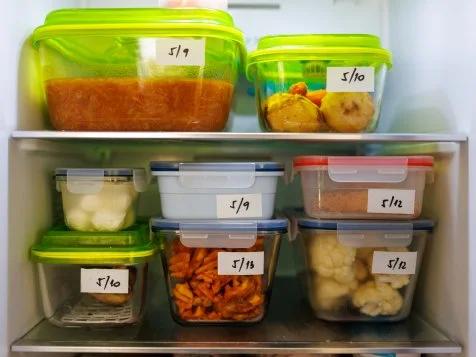
How to avoid this cooking mistake: Label leftovers with the date, refrigerate promptly, and throw away food that has been stored unsafely. Do not rely on smell or appearance alone to judge whether food is safe.
Cooking Mistakes Comparison Table
| Cooking mistake | Common result | Better solution |
|---|---|---|
| Skipping preparation | Burnt ingredients or forgotten steps | Prepare ingredients before cooking |
| Incorrect heat | Burnt outside or uneven cooking | Adjust heat for the food |
| Overcrowding the pan | Soft, watery food | Cook in batches |
| Adding too much salt | Overly salty flavor | Season gradually and taste |
| Overcooking food | Dry meat or mushy vegetables | Monitor time and doneness |
| Incorrect measurements | Poor texture or inconsistent results | Measure accurately |
| Poor food storage | Increased food-safety risk | Cool and refrigerate promptly |
Cooking Mistakes Prevention Graph
This illustrative graph shows how many of the seven common cooking mistakes can be addressed with simple habits. It is a practical guide, not a scientific survey.
Preventable problems addressed by each habit
Prepare ingredients first  ███████  7
Control heat carefully     ██████   6
Taste before seasoning     █████    5
Measure ingredients        █████    5
Store food safely          ███████  7
The values represent illustrative ratings of how broadly each habit can help, not measured percentages or experimental results. Preparation and safe storage are especially useful because they prevent multiple problems before they begin.
Conclusion: Avoid Cooking Mistakes for Better Meals
Cooking Mistakes are common, but most can be corrected with practice and a few reliable habits. Preparing ingredients before cooking, choosing the right heat, avoiding overcrowded pans, and seasoning gradually can improve flavor and texture. Accurate measurements are especially valuable for baking, while careful storage and proper cooking temperatures help protect your health.
You do not need expensive kitchen equipment to become a better cook. A timer, measuring spoons, a kitchen scale, and a food thermometer can make everyday cooking easier and more consistent. Start by improving one habit at a time, then observe how your meals change.
The most important lesson is to combine creativity with care. Better preparation can reduce waste, improve flavor, and help you avoid preventable problems in the kitchen.
Leave a Reply