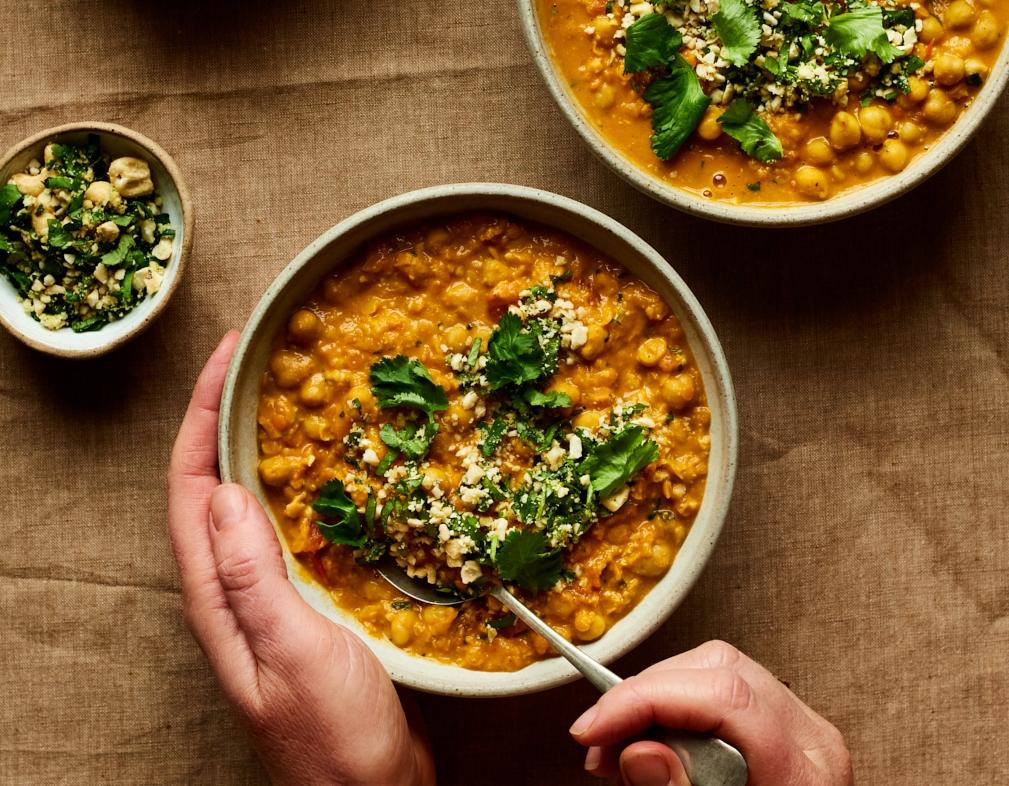
Introduction to Vegetarian Protein Meals
Vegetarian Protein Meals are an excellent choice for people who want to build strength, support muscle recovery, and enjoy nutritious food without eating meat. Foods such as lentils, chickpeas, beans, tofu, paneer, and Greek yogurt can provide protein while adding variety to everyday meals. Whether you prefer traditional Pakistani daal, chickpea curry, or a modern tofu bowl, there are many affordable and delicious options to explore. However, relying on only one protein source or preparing meals without enough variety can make it harder to meet your nutritional needs. Choosing balanced ingredients and suitable portions can help you enjoy the benefits of vegetarian eating while avoiding common mistakes.
Table of Contents
- What Are Vegetarian Protein Meals?
- 7 Powerful Vegetarian Protein Meals
- Benefits of Vegetarian Protein Meals
- Common Mistakes and Hidden Risks
- Vegetarian Protein Meals Comparison Table
- Graph of Protein Content
- Tips for Building Balanced Vegetarian Meals
- Conclusion
- Related Picks
What Are Vegetarian Protein Meals?
Vegetarian Protein Meals are dishes that provide protein from plant-based foods, dairy products, eggs where included in the diet, or combinations of these ingredients. Protein is essential for building and repairing body tissues, supporting muscles, and producing enzymes and hormones.
Plant-based protein sources include lentils, kidney beans, chickpeas, peas, tofu, tempeh, nuts, and seeds. Vegetarians who consume dairy can also obtain protein from milk, yogurt, and paneer. The best choices depend on personal preferences, dietary restrictions, availability, and budget.

Eating a variety of protein-rich foods throughout the day can help provide essential amino acids and other important nutrients. You do not need expensive powders or special products to prepare satisfying vegetarian meals.
7 Powerful Vegetarian Protein Meals for Strength
1. Vegetarian Protein Meals with Lentil Daal
Lentil daal is one of the most affordable and practical Vegetarian Protein Meals for everyday cooking. Lentils provide plant protein, fiber, folate, iron, and other nutrients. They are widely used in Pakistani households and can be served with roti, rice, or vegetables.
To prepare a balanced daal meal, cook lentils with turmeric, cumin, garlic, ginger, and a moderate amount of oil. Add tomatoes or spinach for extra flavor and variety. Pair the daal with whole-wheat roti and a side of vegetables to create a satisfying meal.
A cup of cooked lentils provides approximately 18 grams of protein, although the amount varies by variety and preparation. Lentils also contain carbohydrates and fiber, making them useful for people who need energy throughout the day.
One common mistake is using excessive oil in the final tempering. You can maintain the traditional flavor with a smaller amount of oil and well-chosen spices.
2. Vegetarian Protein Meals with Chickpea Curry
Chickpea curry, commonly known as chana masala, is a flavorful source of plant protein. Chickpeas also provide fiber, folate, iron, and other nutrients, making them a useful ingredient for filling lunches and dinners.
Cook chickpeas with onions, tomatoes, garlic, ginger, and spices such as cumin and coriander. Serve them with roti, brown rice, or a small portion of plain yogurt if dairy is part of your diet.
One cup of cooked chickpeas contains approximately 14–15 grams of protein. The fiber in chickpeas may also help support fullness and regular bowel movements.
A frequent mistake is adding too much oil or salt to the curry. Another is increasing chickpea portions suddenly when you are not accustomed to eating legumes, which can cause gas or bloating. Start with a comfortable serving and increase gradually.
3. Vegetarian Protein Meals with Tofu Stir-Fry
Tofu is a versatile protein source made from soybeans. It absorbs the flavors of sauces and spices, making it suitable for stir-fries, curries, and rice bowls. Tofu is particularly useful for people following vegan diets because it contains all nine essential amino acids.
For an easy meal, cook tofu cubes with capsicum, carrots, broccoli, garlic, and ginger. Add a modest amount of soy sauce or another preferred seasoning. Serve the mixture with brown rice or another whole grain.
A 100-gram serving of firm tofu commonly provides around 12–17 grams of protein, depending on the brand and firmness. Check the nutrition label for the product you buy.
Avoid relying on heavily fried tofu or salty sauces every day. Baking, grilling, or stir-frying with a moderate amount of oil can help you prepare a flavorful meal without adding unnecessary amounts of fat or sodium.

4. Vegetarian Protein Meals with Paneer and Vegetables
Paneer is a popular vegetarian protein source in South Asian cooking. It provides protein and calcium, although its fat content can vary depending on how it is prepared.
Prepare paneer bhurji by crumbling paneer and cooking it with onions, tomatoes, capsicum, turmeric, and black pepper. You can also add spinach or peas to increase vegetable variety. Serve it with whole-wheat roti or a small portion of rice.
A 100-gram serving of paneer often contains approximately 15–20 grams of protein, but the exact amount depends on the recipe and product. Paneer may also be high in saturated fat, so portion size and overall dietary balance matter.
One mistake is deep-frying paneer or covering it with heavy cream in every recipe. Grilled paneer or lightly cooked paneer bhurji can be practical alternatives for regular meals.
5. Vegetarian Protein Meals with Kidney Beans
Kidney beans, also known as rajma, provide plant protein, fiber, and several minerals. Rajma curry is a familiar and filling dish that works well with rice or whole-wheat roti.
Soak dried kidney beans and cook them thoroughly until soft. Prepare the curry with tomatoes, onions, garlic, ginger, and spices. Proper cooking is essential because raw or undercooked kidney beans can contain harmful levels of a natural toxin.
One cup of cooked kidney beans typically provides around 15 grams of protein. They are also rich in fiber, which can support digestive health when introduced gradually.
Avoid eating raw or undercooked kidney beans, including beans that have only been warmed in a slow cooker. Use properly boiled beans or canned beans that have been safely processed and heated according to the package directions.
6. Vegetarian Protein Meals with Greek Yogurt and Chickpea Bowls
A yogurt and chickpea bowl combines dairy protein with plant protein. It can be a convenient option for lunch when you want something simple, flavorful, and quick to assemble.
Place cooked chickpeas in a bowl with cucumber, tomatoes, coriander, and a spoonful of plain Greek yogurt. Add cumin, black pepper, and lemon juice for extra flavor. If you prefer a vegan meal, use an unsweetened soy yogurt with a suitable protein content.
A 170-gram serving of plain Greek yogurt may provide around 15–18 grams of protein, depending on the brand. A half-cup of cooked chickpeas adds roughly 7 grams more.
Choose plain yogurt rather than sweetened varieties, which can contain added sugar. Keep the bowl refrigerated until serving, particularly in warm weather, and use a clean, leakproof container when taking it to school or work.
7. Vegetarian Protein Meals with Peanut and Bean Rice Bowls
A rice bowl with beans, vegetables, and a small amount of peanuts or peanut butter can provide protein, carbohydrates, fiber, and healthy fats. It is also adaptable to different tastes and budgets.
Start with cooked rice and add black beans, kidney beans, or chickpeas. Include vegetables such as carrots, peas, and capsicum. Finish with a small serving of roasted peanuts or a light peanut dressing made with unsweetened peanut butter, lemon juice, and water.
The protein content depends on the amounts of rice, beans, and peanuts used. Beans usually provide most of the protein, while peanuts contribute additional protein and energy.
A common mistake is adding too much peanut butter or salty sauce. Both can increase calories or sodium quickly. Use moderate portions and adjust the ingredients to suit your nutritional needs.
Benefits of Vegetarian Protein Meals
Vegetarian Protein Meals Support Muscle Recovery
Protein provides amino acids that the body uses to repair and maintain muscle tissue. Combining a variety of vegetarian protein sources with regular resistance exercise can support strength and muscle development.
Total daily protein intake, energy intake, sleep, and exercise all matter. Eating one high-protein meal alone does not guarantee muscle growth.
Vegetarian Protein Meals Provide Fiber and Nutrients
Legumes such as lentils, chickpeas, and beans provide protein alongside fiber, folate, and minerals. Fiber supports digestive health and may help people feel full for longer.
Plant foods also provide a range of vitamins and beneficial compounds. Including different colored vegetables, fruits, and whole grains can improve overall dietary variety.
Vegetarian Protein Meals Can Be Budget-Friendly
Dried lentils, chickpeas, kidney beans, and seasonal vegetables can be economical choices. Cooking larger batches and refrigerating or freezing suitable portions can save time and make meal planning easier.
Tofu, paneer, and Greek yogurt offer additional choices, depending on local prices and availability.
Vegetarian Protein Meals Support Flexible Eating
Vegetarian protein meals can be adapted to vegan, dairy-inclusive, and other eating patterns. For a vegan diet, legumes, tofu, tempeh, and appropriately selected soy products can provide useful protein.
People following fully plant-based diets should also pay attention to nutrients such as vitamin B12, which generally requires fortified foods or supplements. Personalized advice may be helpful when planning a long-term diet.
Common Mistakes and Hidden Risks of Vegetarian Protein Meals
Mistake 1: Relying on Only One Protein Source
Eating the same protein food every day can reduce variety in the diet. Rotate lentils, chickpeas, beans, tofu, nuts, seeds, and dairy products if suitable. Variety helps provide a broader range of nutrients.
Mistake 2: Eating Too Little Overall Food
Some people replace meat without replacing enough protein or total energy. This can make it harder to meet nutritional needs, especially during periods of heavy exercise or growth. Include substantial protein sources and enough food to meet your energy requirements.
Mistake 3: Ignoring Important Nutrients
Vegetarian diets can be nutritious, but some nutrients require extra attention. Iron from plant foods is less readily absorbed than iron from many animal sources, so combining legumes with vitamin C-rich foods such as tomatoes, peppers, or citrus fruit can help improve iron absorption.
Vegans also need a reliable source of vitamin B12. Depending on food choices, vitamin D, calcium, iodine, and omega-3 fats may deserve attention.
Mistake 4: Using Too Much Oil and Salt
Deep-frying foods or adding large amounts of salt and sauces can reduce the nutritional advantages of an otherwise balanced meal. Use spices, herbs, lemon juice, and moderate amounts of oil to maintain flavor.
Mistake 5: Preparing Beans Incorrectly
Some dried beans require soaking and thorough boiling before eating. Kidney beans are particularly important to cook properly because undercooked beans can cause illness. Follow safe preparation instructions and do not assume that a brief warming is enough.
Vegetarian Protein Meals Comparison Table
| Meal | Main Protein Source | Approximate Protein |
|---|---|---|
| Lentil daal | 1 cup cooked lentils | 18 g |
| Chickpea curry | 1 cup cooked chickpeas | 14–15 g |
| Tofu stir-fry | 100 g firm tofu | 12–17 g |
| Paneer bhurji | 100 g paneer | 15–20 g |
| Rajma curry | 1 cup cooked kidney beans | About 15 g |
| Yogurt and chickpea bowl | 170 g Greek yogurt + ½ cup chickpeas | About 22–25 g |
| Bean rice bowl | 1 cup cooked beans, excluding rice | About 15 g |
Protein figures are approximate. Actual amounts vary by product, recipe, and serving size. The yogurt and chickpea bowl estimate assumes plain Greek yogurt and cooked chickpeas.
Graph: Approximate Protein Content of Vegetarian Foods
The graph below compares the approximate protein in the portions listed above.
Protein per serving
Lentils — 18 g: ██████████████████
Chickpeas — 15 g: ███████████████
Firm tofu — 15 g: ███████████████
Paneer — 18 g: ██████████████████
Kidney beans — 15 g: ███████████████
Greek yogurt and chickpeas — 24 g: ████████████████████████
Cooked beans — 15 g: ███████████████
Each block represents approximately 1 gram of protein. Values are illustrative estimates, not laboratory measurements.
The comparison shows that a meal combining two protein sources, such as Greek yogurt and chickpeas, can provide more protein than either ingredient alone. However, choose portions according to your appetite, health needs, and total daily diet rather than focusing on one number.
Tips for Building Better Vegetarian Protein Meals
Plan Vegetarian Protein Meals for the Week
Prepare a few staple ingredients in advance, such as cooked lentils, chickpeas, rice, or washed vegetables. Refrigerate them promptly in suitable containers and use them within recommended storage times. This makes it easier to assemble meals on busy days.
Combine Vegetarian Protein Meals with Whole Foods
Pair protein-rich foods with vegetables, whole grains, and healthy fats. For example, daal with whole-wheat roti and vegetables creates a more varied meal than eating daal alone.
Choose Protein Sources That Suit Your Budget
Dried lentils and beans are often economical, while tofu, paneer, and Greek yogurt provide additional options. Use locally available ingredients and compare nutrition labels when buying packaged products.
Increase Legumes Gradually
If beans and lentils are not a regular part of your diet, begin with smaller servings and increase them as tolerated. Drink water regularly and cook legumes thoroughly to improve texture and make them easier to eat.
Conclusion: Vegetarian Protein Meals for Strength and Better Nutrition
Vegetarian Protein Meals can provide useful amounts of protein while offering fiber, vitamins, minerals, and variety. Lentil daal, chickpea curry, tofu stir-fry, paneer bhurji, kidney bean curry, yogurt and chickpea bowls, and bean rice bowls are practical options for everyday eating.
The key is to choose a variety of protein sources, eat enough overall food, and pay attention to nutrients that may require extra planning. Avoid excessive oil and salt, prepare beans safely, and choose portions that match your personal needs.
You do not need complicated recipes to build a balanced vegetarian diet. Start with familiar foods such as daal and chickpeas, then try tofu, paneer, or yogurt-based meals to keep your weekly menu nutritious and interesting.
3 Related Picks for Your Article
Pick 1: 7 Powerful High-Fiber Foods: Better Digestion & Hidden Risks
Discover lentils, oats, chickpeas, and other fiber-rich foods that can support digestive health.
Pick 2: 7 Powerful Low-Sugar Desserts: Sweet Taste & Hidden Risks
Explore simple dessert ideas with less added sugar, including chia pudding and fruit-based treats.
Pick 3: 7 Powerful Pakistani Lunch Box Ideas: Taste & Mistakes
Find practical homemade lunch ideas for school, college, and office using familiar ingredients.
Leave a Reply