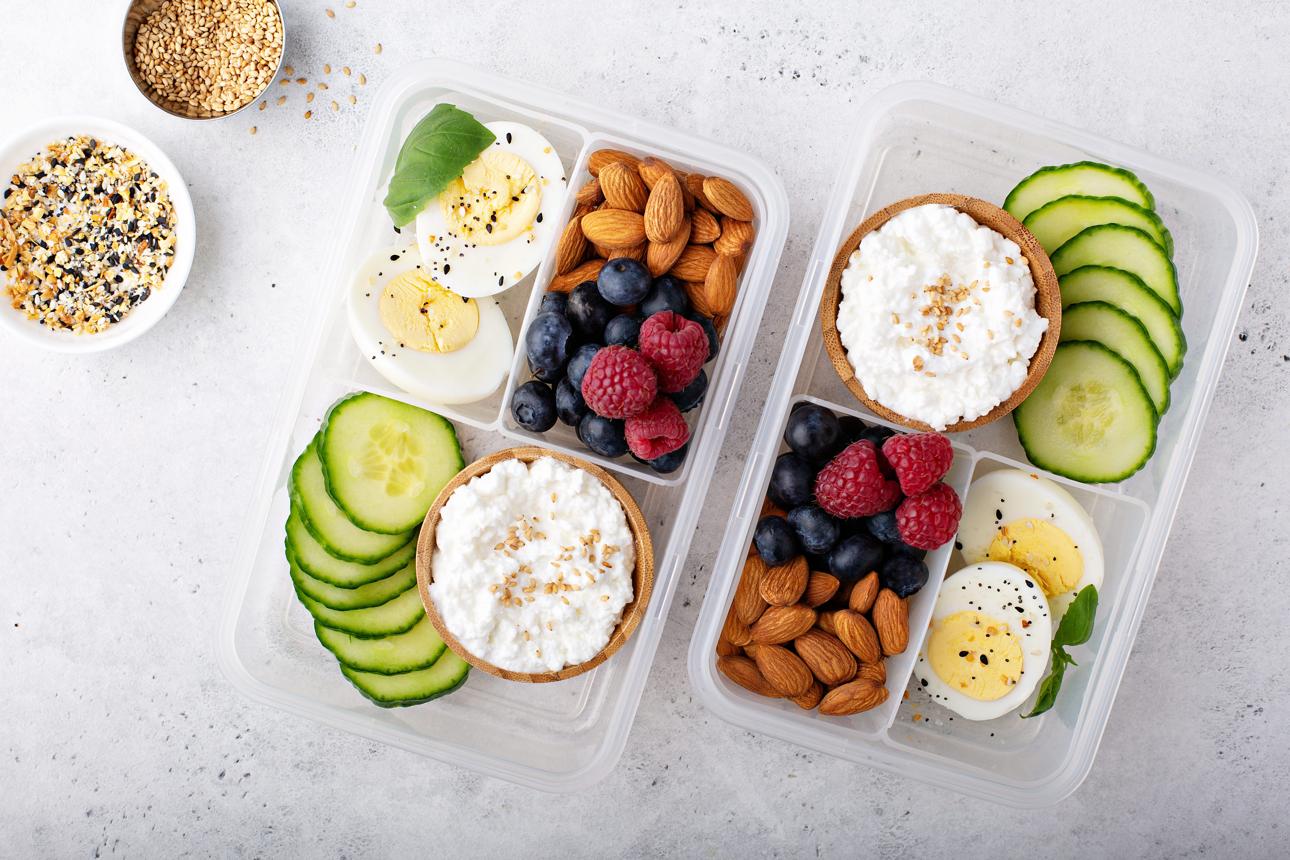
Introduction to High Protein Snacks
High Protein Snacks are a practical way to support muscle maintenance, manage hunger, and add important nutrients to your daily diet. Whether you are a student, a busy professional, an athlete, or someone trying to improve eating habits, choosing nutritious snacks can make a difference. Instead of relying on sugary biscuits, chips, or highly processed foods, you can enjoy protein-rich options that are satisfying, convenient, and easy to prepare at home.
Protein is an essential nutrient that helps the body build and repair tissues, maintain muscles, and produce enzymes and hormones. Foods such as eggs, Greek yogurt, chickpeas, nuts, cottage cheese, and roasted soybeans provide different amounts of protein along with other nutrients. The best snack depends on your dietary preferences, budget, activity level, and nutritional needs.
However, not every snack marketed as high-protein is automatically healthy. Some packaged protein bars and shakes contain substantial added sugar, calories, or sodium. Understanding the benefits and potential drawbacks can help you make better choices.

In this article, we will explore eight powerful high protein snacks, their nutritional benefits, approximate protein content, and practical tips for including them in a balanced diet.
Table of Contents
- Why High Protein Snacks Matter
- 8 Powerful High Protein Snacks
- Benefits of High Protein Snacks
- Hidden Risks of High Protein Snacks
- Protein Comparison Table
- Protein Content Graph
- How to Choose the Best High Protein Snacks
- Frequently Asked Questions
- Conclusion
Why High Protein Snacks Matter
High protein snacks can help you increase your daily protein intake without requiring another full meal. Protein is especially important for maintaining muscle tissue, recovering after physical activity, and supporting normal body functions.
Another advantage is that protein can help you feel satisfied after eating. Combining protein with fiber, healthy fats, or whole-grain carbohydrates may make a snack more filling than eating a food containing mostly refined carbohydrates alone.
For example, plain yogurt with fruit provides protein and carbohydrates, while hummus with vegetables combines plant protein with fiber. An egg with whole-grain toast offers protein alongside energy-producing carbohydrates.
Your total daily diet matters more than any single snack. You do not need expensive supplements to obtain protein because many affordable foods provide it naturally.
8 Powerful High Protein Snacks
1. High Protein Snacks with Greek Yogurt
Greek yogurt is one of the easiest high protein snacks because it requires little preparation and is available in individual servings. Depending on the brand and serving size, approximately 170 grams of plain Greek yogurt may provide around 15–18 grams of protein.
To prepare a simple snack, place plain Greek yogurt in a bowl and add fresh berries, banana slices, or chopped apple. You can also add a small amount of nuts or seeds for extra texture and nutrients.
Choose plain yogurt when possible because flavored varieties may contain considerable added sugar. If Greek yogurt is expensive or unavailable, compare local plain yogurt options and check the nutrition label for protein content.
The main benefit of this snack is convenience. Yogurt supplies protein and calcium, while fruit contributes fiber and vitamins. It works well for breakfast, an afternoon snack, or a light meal accompaniment.
Picture 1: A bowl of thick Greek yogurt topped with fresh berries, banana slices, and a few almonds.

2. High Protein Snacks with Boiled Eggs
Boiled eggs are affordable, portable, and easy to prepare in advance. One large egg generally provides about 6 grams of protein, together with nutrients such as vitamin B12 and choline.
To prepare this snack, boil eggs until the whites and yolks are fully set. Let them cool, remove the shells, and season with black pepper or a small amount of salt. You can enjoy them alone or pair them with cucumber, tomatoes, or whole-grain toast.
Eggs are useful because they contain all nine essential amino acids. They can also be a convenient option for people who prefer savory snacks rather than sweet foods.
For safe storage, refrigerate cooked eggs within two hours of cooking, or within one hour in very hot conditions. Keep them refrigerated and use hard-boiled eggs within one week. If you take eggs to school or work, use an insulated lunch bag with a cold source.
3. High Protein Snacks with Roasted Chickpeas
Roasted chickpeas are a crunchy alternative to chips and can be prepared with inexpensive ingredients. Chickpeas contain plant protein, fiber, and several important minerals.
To make them at home, drain and rinse cooked chickpeas, then dry them thoroughly. Toss them with a small amount of oil, paprika, cumin, garlic powder, or black pepper. Roast them in an oven until golden and crisp, checking regularly to prevent burning.
The exact protein content depends on the portion and preparation method. A serving made from approximately half a cup of cooked chickpeas may provide around 7 grams of protein before any additional ingredients.
One advantage of roasted chickpeas is their versatility. You can prepare a mildly seasoned version for everyday snacking or add stronger spices for more flavor. They also provide fiber, which supports normal digestion and can contribute to fullness.
Store cooled roasted chickpeas in a clean container. Their crispness may decrease over time, especially in humid conditions.
4. High Protein Snacks with Peanut Butter and Whole-Grain Toast
Peanut butter paired with whole-grain toast creates a convenient snack that combines protein, carbohydrates, and fats. Two tablespoons of peanut butter generally provide around 7–8 grams of protein, although the amount varies by brand.
Spread peanut butter over a slice of whole-grain toast and add banana slices if you prefer a naturally sweet flavor. You can also pair peanut butter with apple slices for a crunchy snack.
Peanut butter contains unsaturated fats and provides energy, making it useful for people with active lifestyles. Whole-grain bread adds carbohydrates and may contribute fiber, depending on the product.
However, peanut butter is calorie-dense, so serving size matters if you are monitoring your energy intake. Check the ingredient label for added sugar and salt, and choose a product that suits your dietary preferences.
People with peanut allergies should avoid peanut butter and prevent cross-contact with peanut-containing foods.
5. High Protein Snacks with Cottage Cheese
Cottage cheese is a protein-rich dairy food that can be eaten on its own or combined with other ingredients. A serving of approximately half a cup may provide around 12–14 grams of protein, depending on the product.
For a savory snack, combine cottage cheese with chopped cucumber, tomatoes, black pepper, and fresh herbs. For a sweeter option, serve it with pineapple, berries, or apple slices.
Cottage cheese provides protein and calcium, although nutritional content differs between varieties. Some products contain substantial sodium, so checking the label can be helpful if you need to limit salt.
This snack is particularly convenient because it does not require cooking. It can also be used as a filling for whole-grain sandwiches or wraps.
Since cottage cheese is perishable, keep it refrigerated and avoid leaving it at room temperature for extended periods.
6. High Protein Snacks with Roasted Soybeans
Roasted soybeans are a useful plant-based protein option for people who want a crunchy snack without meat or dairy. A 30-gram serving of dry-roasted soybeans may provide roughly 12–13 grams of protein, depending on the product.
You can purchase ready-to-eat roasted soybeans or prepare suitable soybeans using a tested cooking method. Season them with paprika, cumin, black pepper, or other spices that match your taste.
Soybeans provide protein, fiber, and unsaturated fats. They can be especially useful for people following vegetarian diets because they contain all nine essential amino acids.
However, soy is a common food allergen, so people with a soy allergy should avoid this snack. Packaged roasted soybeans may also contain added salt or oil, making nutrition-label checks worthwhile.
Start with a reasonable serving because the fiber content may cause digestive discomfort in some people who are not accustomed to eating legumes.
7. High Protein Snacks with Hummus and Vegetables
Hummus is traditionally made from chickpeas, tahini, lemon juice, garlic, and olive oil. It offers a combination of plant protein, fiber, and fats, although its protein content is usually lower than that of Greek yogurt or roasted soybeans.
Serve a few tablespoons of hummus with carrot sticks, cucumber slices, capsicum strips, or whole-grain crackers. This combination adds variety and helps you include vegetables in your daily eating routine.
Hummus is convenient for meal preparation because it can be made at home or purchased ready-made. Homemade versions also allow you to control the amount of salt and oil.
For a more protein-rich snack, pair hummus with a boiled egg or enjoy it alongside a small serving of roasted chickpeas. The additional ingredients can increase the overall protein content.
Keep hummus refrigerated, use clean utensils, and follow the storage instructions for homemade or packaged versions.
8. High Protein Snacks with Almonds and Pumpkin Seeds
Almonds and pumpkin seeds provide protein, healthy fats, fiber, and minerals. They are easy to carry, require no cooking, and can be portioned into small containers for busy days.
A 28-gram serving of almonds generally provides around 6 grams of protein. The same amount of pumpkin seeds may provide approximately 8–9 grams, depending on whether they are hulled and how they are prepared.
You can enjoy almonds and pumpkin seeds separately or combine them with a small amount of dried fruit. Choose unsalted varieties if you want to reduce sodium intake.
These foods are energy-dense, so a small handful is often a practical serving. They are particularly useful when you need a snack that can stay in a bag for a short period without refrigeration, provided the packaging and storage conditions are suitable.
People with nut or seed allergies should select alternatives that are safe for them.
Benefits of High Protein Snacks
High protein snacks offer several benefits when they are part of a balanced eating pattern. One important benefit is muscle maintenance. Protein provides amino acids that the body uses to build and repair tissues. People who exercise regularly may find it useful to distribute protein across meals and snacks rather than consuming most of it in one sitting.
Another benefit is appetite management. Protein can contribute to feelings of fullness, especially when paired with fiber-rich foods such as fruit, vegetables, and whole grains. This may help some people manage their eating habits, although individual responses vary.
High protein snacks can also support dietary flexibility. Vegetarians can choose yogurt, eggs, soybeans, chickpeas, nuts, and seeds according to their dietary preferences. People who need quick snacks can select boiled eggs, yogurt, or portioned nuts instead of relying entirely on packaged convenience foods.
Finally, protein-rich foods often provide additional nutrients. Yogurt may supply calcium, legumes provide fiber, and nuts and seeds contribute unsaturated fats and minerals. Choosing a variety of foods helps create a more balanced diet.
Hidden Risks of High Protein Snacks
Although high protein snacks can be nutritious, the label alone does not guarantee that a product is healthy. Some commercial protein bars, cookies, and shakes contain substantial added sugar, saturated fat, or sodium. Read nutrition labels and compare products rather than choosing one based only on its protein claims.
Portion sizes also matter. Nuts, seeds, and peanut butter provide valuable nutrients but are energy-dense. Eating large quantities can add more calories than expected, even when the foods themselves are nutritious.
Food allergies are another consideration. Peanuts, tree nuts, milk, eggs, soy, and sesame can trigger allergic reactions in susceptible people. Always check ingredients and avoid foods that are unsafe for you.
People with chronic kidney disease or certain medical conditions may need individualized protein guidance. They should consult a qualified healthcare professional rather than dramatically increasing protein intake on their own.
Finally, relying exclusively on protein foods can reduce dietary variety. A healthy snack routine should also include appropriate amounts of fruits, vegetables, whole grains, and other foods that provide essential nutrients.
Protein Comparison Table for High Protein Snacks
The following table provides approximate protein amounts for common snack servings. Actual values vary according to product, serving size, preparation method, and recipe.
| Snack | Approximate serving | Protein |
|---|---|---|
| Plain Greek yogurt | 170 g | 15–18 g |
| Boiled egg | 1 large | 6 g |
| Cooked chickpeas | ½ cup | 7 g |
| Peanut butter | 2 tablespoons | 7–8 g |
| Cottage cheese | ½ cup | 12–14 g |
| Dry-roasted soybeans | 30 g | 12–13 g |
| Hummus | ¼ cup | 4–5 g |
| Almonds | 28 g | 6 g |
| Pumpkin seeds | 28 g | 8–9 g |
Protein Content Graph for High Protein Snacks
The following comparison uses representative values from the table to illustrate how protein content differs between typical servings. These figures are estimates, not laboratory measurements.
Approximate protein per serving
Greek yogurt (170 g) — 16 g
Cottage cheese (½ cup) — 13 g
Roasted soybeans (30 g) — 13 g
Pumpkin seeds (28 g) — 8.5 g
Peanut butter (2 tbsp) — 7.5 g
Chickpeas (½ cup) — 7 g
Almonds (28 g) — 6 g
Boiled egg (1 large) — 6 g
Hummus (¼ cup) — 4.5 g
Greek yogurt, cottage cheese, and roasted soybeans provide relatively high amounts of protein in these serving sizes. However, the best option also depends on cost, convenience, allergies, and the other nutrients a snack provides.
How to Choose the Best High Protein Snacks
Choosing the best high protein snacks starts with identifying your needs. If you want something quick, yogurt, boiled eggs, or a small portion of nuts may be convenient. If you prefer plant-based foods, chickpeas, soybeans, hummus, and seeds are useful alternatives.
Budget is another important factor. Compare the price per serving rather than the total package price. Eggs, dried legumes, and locally available seeds may be more economical than branded protein bars, depending on local prices.
Consider the complete nutritional profile as well. A snack containing protein and fiber may be more satisfying than one containing mostly sugar. Pairing protein with fruit, vegetables, or whole grains can add nutrients and variety.
Preparation matters, too. Boil eggs ahead of time, divide nuts into small portions, or prepare hummus for several servings. Store perishable foods safely and choose recipes that fit your schedule.
You do not need to consume a protein snack after every workout or eat protein constantly throughout the day. Your overall dietary pattern, total protein intake, activity level, and personal requirements are more important than following a rigid snack schedule.
Frequently Asked Questions About High Protein Snacks
What are the best High Protein Snacks for everyday use?
Greek yogurt, boiled eggs, roasted chickpeas, cottage cheese, soybeans, and nuts are useful options. The best choice depends on your dietary needs, budget, preferences, and any food allergies.
Which High Protein Snacks are good for vegetarians?
Greek yogurt, cottage cheese, roasted soybeans, chickpeas, hummus, almonds, and pumpkin seeds can all fit vegetarian eating patterns. Vegans can choose plant-based options such as soybeans, chickpeas, hummus, nuts, and seeds.
Can High Protein Snacks help with weight management?
Protein can help promote fullness, and protein-rich snacks may support weight-management goals when they fit an individual’s overall energy needs. However, no single snack guarantees weight loss. Portion sizes and the overall eating pattern matter.
Are packaged protein snacks always healthy?
No. Some packaged products contain added sugars, high sodium levels, or considerable saturated fat. Compare nutrition labels, serving sizes, and ingredient lists before choosing them regularly.
How much protein should a snack contain?
There is no single protein target that suits everyone. Some snacks provide around 5–7 grams, while others provide 12–18 grams or more. Your overall daily needs depend on factors such as body size, age, activity, and health.
Conclusion
These eight powerful high protein snacks offer convenient ways to include more protein in everyday meals. Greek yogurt, boiled eggs, roasted chickpeas, peanut butter toast, cottage cheese, roasted soybeans, hummus, and seeds each provide different combinations of protein and other nutrients.
The key is to choose snacks that match your nutritional needs, budget, and lifestyle. Prioritize minimally processed foods when practical, check packaged-food labels, watch portion sizes, and include a variety of fruits, vegetables, and whole grains throughout the day.
High protein snacks can support a balanced diet, but they work best as part of an overall eating pattern rather than as a replacement for nutritious meals. By making informed choices, you can enjoy convenient snacks while supporting your everyday health and wellbeing.
Leave a Reply