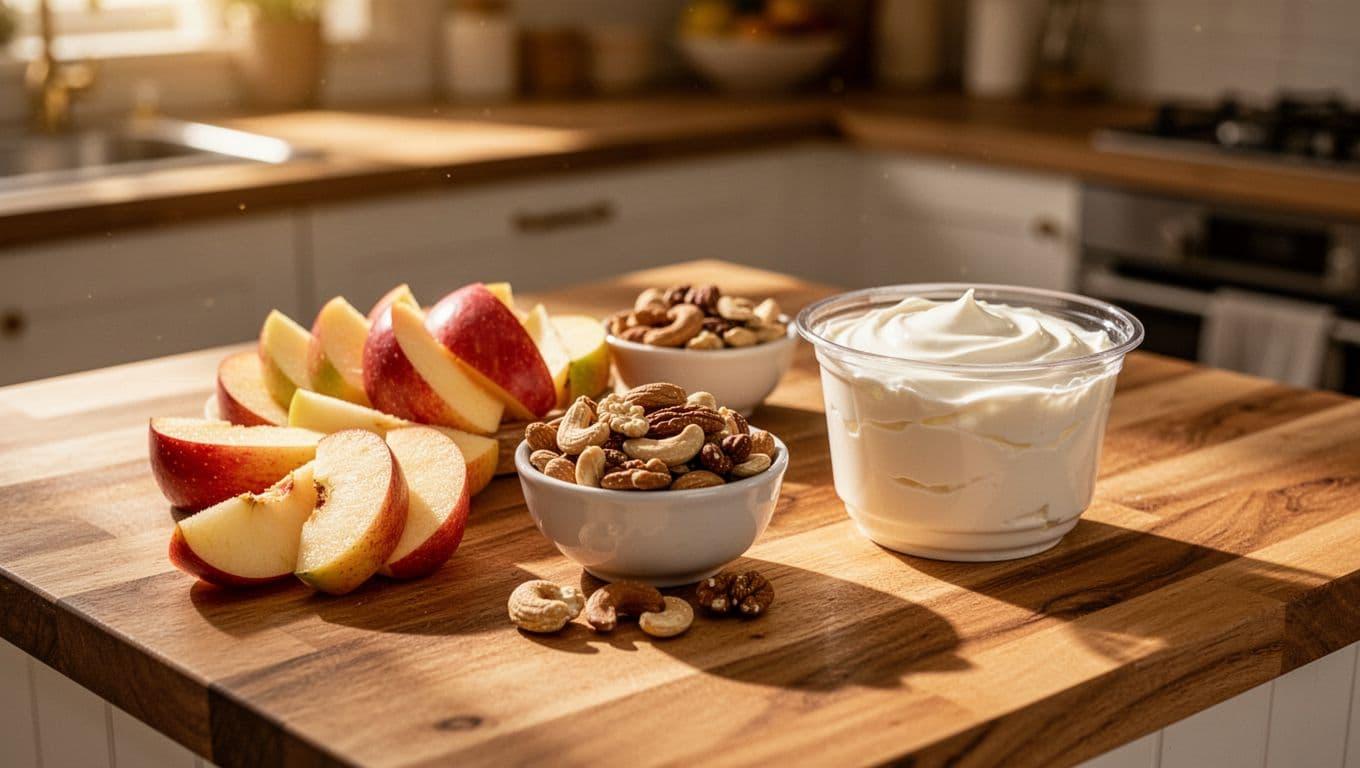
Introduction to Low-Sugar Desserts
Low-Sugar Desserts are a great choice for people who want to enjoy sweet treats while reducing their added sugar intake. From Greek yogurt parfaits and chia pudding to baked apples and homemade fruit sorbet, there are many delicious options that use fruit, spices, and naturally flavorful ingredients instead of large amounts of sugar. These desserts can be easy to prepare at home and may help you make more mindful food choices. However, low-sugar does not always mean calorie-free or automatically healthy. Some recipes still contain substantial amounts of fat, calories, or sweeteners, so understanding ingredients and portion sizes is important.
Table of Contents
- What Are Low-Sugar Desserts?
- 7 Powerful Low-Sugar Desserts
- Benefits of Low-Sugar Desserts
- Common Mistakes and Hidden Risks
- Low-Sugar Desserts Comparison Table
- Graph: Estimated Added Sugar
- Tips for Making Low-Sugar Desserts
- Conclusion
- Related Picks
What Are Low-Sugar Desserts?
Low-Sugar Desserts are sweet foods prepared with less sugar than traditional versions. They may use fresh fruit, unsweetened yogurt, cinnamon, vanilla, or small amounts of alternative sweeteners to create a satisfying flavor.
It is important to distinguish between added sugar and naturally occurring sugar. Added sugar is put into food during preparation, while naturally occurring sugar is found in foods such as whole fruit and plain milk. A dessert made with fruit can contain natural sugar even when no table sugar is added.

Reducing added sugar can be a useful part of a balanced eating pattern. However, the best dessert also depends on its overall ingredients, serving size, and your individual dietary needs.
7 Powerful Low-Sugar Desserts for Sweet Taste
1. Low-Sugar Desserts with Greek Yogurt Parfait
Greek yogurt parfait is one of the easiest Low-Sugar Desserts to prepare. It combines plain, unsweetened Greek yogurt with fresh berries, chopped apples, or other fruit. A small amount of nuts or seeds can add crunch and make the dessert more satisfying.
To prepare it, place plain Greek yogurt in a bowl or glass, add a layer of fruit, and finish with a sprinkle of cinnamon or a few chopped almonds. You can also add a small serving of oats for extra texture.
The most common mistake is using flavored yogurt or commercial granola that contains large amounts of added sugar. Choose unsweetened yogurt and check the ingredient label of packaged toppings. The natural sweetness of ripe fruit is often enough to make this dessert enjoyable.
2. Low-Sugar Desserts with Chia Seed Pudding
Chia seed pudding is a convenient dessert that can be prepared ahead of time. Chia seeds absorb liquid and develop a thick, pudding-like texture, making them useful for creating a dessert without relying on lots of added sugar.
Mix chia seeds with unsweetened milk or an appropriate unsweetened plant-based drink. Add vanilla or cinnamon, stir well, and refrigerate until the mixture thickens. Top it with sliced strawberries or a few pieces of mango before serving.
Avoid adding large quantities of honey, syrup, or sweetened condensed milk, as these ingredients increase the sugar content. Chia seeds also contain substantial fiber, so begin with a moderate portion if you are not accustomed to fiber-rich foods. Allow the seeds to absorb enough liquid before eating.
3. Low-Sugar Desserts with Baked Apples
Baked apples provide a warm, naturally sweet dessert using simple ingredients. Apples contain natural sugar and fiber, while cinnamon adds a sweet aroma without the need for additional sugar.
To make this dessert, remove the apple core, sprinkle the inside with cinnamon, and bake until the apple becomes tender. If desired, add a few chopped walnuts or almonds for texture. You can serve it warm or chilled.
A common mistake is adding too much brown sugar, caramel, or sweetened sauce. These additions can turn a naturally sweet dessert into a high-sugar treat. Start with a ripe apple and taste it before deciding whether any extra sweetness is necessary.
4. Low-Sugar Desserts with Homemade Fruit Sorbet
Homemade fruit sorbet can be refreshing during warm weather. Frozen strawberries, peaches, or mango can be blended into a smooth dessert without adding table sugar. A little lemon juice can brighten the flavor of berries and other fruits.
Freeze chopped fruit, blend it until smooth, and serve immediately for a soft texture. For a firmer consistency, return it to the freezer briefly before serving.
Fruit naturally contains sugar, so sorbet made without added sugar is not sugar-free. Portion size matters, particularly when using sweeter fruits such as mango. Avoid packaged fruit syrups and sweetened juice concentrates if your goal is to reduce added sugar.
5. Low-Sugar Desserts with Dark Chocolate Strawberries
Dark chocolate strawberries combine fresh fruit with the rich taste of chocolate. They are simple to prepare and can feel special enough for a celebration without requiring a large dessert.
Wash the strawberries and dry them thoroughly. Melt a small amount of dark chocolate, dip each strawberry partially, and place it on baking paper until the chocolate sets. Choose chocolate with a cocoa percentage you enjoy and compare nutrition labels to check its sugar content.
One mistake is assuming that all dark chocolate is low in sugar. Some products contain substantial added sugar, even when their cocoa percentage is high. Keep portions reasonable and remember that chocolate contributes calories as well as sugar and fat.
6. Low-Sugar Desserts with Banana Nice Cream
Banana nice cream is a simple alternative to traditional ice cream. It is made by blending frozen banana pieces until they develop a creamy texture. You can add unsweetened cocoa powder or a small amount of peanut butter for additional flavor.
Slice ripe bananas, freeze them, and blend until smooth. Add a little unsweetened milk if needed to help the blender process the fruit. Serve immediately for a soft-serve texture or freeze briefly for a firmer dessert.
Although this recipe usually needs no added sugar, bananas contain natural sugar and carbohydrates. People monitoring blood glucose should consider their portion size and individual dietary plan. Adding sweetened chocolate sauce or syrup can also increase the added sugar content.
7. Low-Sugar Desserts with Avocado Chocolate Mousse
Avocado chocolate mousse is a creamy dessert made by blending ripe avocado with unsweetened cocoa powder, vanilla, and a small amount of milk or another suitable liquid. Depending on the recipe, a small quantity of a preferred sweetener may be used.
Blend the ingredients until smooth, chill the mousse, and serve in small portions. Cocoa gives the dessert a rich chocolate flavor, while avocado provides a creamy texture and unsaturated fats.
The biggest mistake is assuming that low sugar means low calorie. Avocados and other rich ingredients can make this dessert energy-dense. Use a sensible serving size and select unsweetened cocoa rather than sweetened chocolate drink powder.

Benefits of Low-Sugar Desserts
Low-Sugar Desserts Can Reduce Added Sugar Intake
Choosing desserts with less added sugar can help reduce the amount of added sugar consumed throughout the day. This is particularly useful when traditional recipes contain large amounts of sugar, syrup, frosting, or sweetened condensed milk.
Low-Sugar Desserts Can Encourage Fruit Consumption
Recipes featuring apples, berries, bananas, and other whole fruits provide vitamins, minerals, water, and sometimes fiber. Whole fruit is generally a better everyday choice than fruit-flavored products with lots of added sugar.
Low-Sugar Desserts Offer More Ingredient Control
Preparing desserts at home allows you to choose the type and quantity of sweetener, select unsweetened dairy products, and adjust portion sizes. This can make it easier to meet personal preferences and dietary goals.
Low-Sugar Desserts May Suit Different Eating Preferences
Many recipes can be adapted for vegetarian diets or made dairy-free by using appropriate plant-based ingredients. However, nutritional content varies, so check ingredient labels and choose substitutions that meet your needs.
Common Mistakes and Hidden Risks of Low-Sugar Desserts
Mistake 1: Confusing Low-Sugar with Sugar-Free
A dessert may contain less sugar than a traditional recipe while still containing natural sugar from fruit or milk. Sugar-free products also have specific labeling rules that vary by country. Read nutrition information rather than relying only on the name.
Mistake 2: Using Too Much Honey or Syrup
Honey, maple syrup, and other syrups may be described as natural, but they still contribute sugars. Replacing table sugar with large amounts of syrup does not necessarily make a dessert low in sugar.
Mistake 3: Ignoring Calories and Portion Size
Nuts, chocolate, coconut cream, and avocado can provide valuable nutrients but are also energy-dense. A dessert with little added sugar may still contain many calories. Consider the full recipe and the portion you actually eat.
Mistake 4: Overusing Artificial or Alternative Sweeteners
Some sugar substitutes can help reduce added sugar, but certain sweeteners and sugar alcohols may cause bloating, gas, or diarrhea when consumed in large quantities. Taste and tolerance vary from person to person.
Mistake 5: Assuming Every Low-Sugar Dessert Is Suitable for Everyone
People with diabetes, food allergies, digestive conditions, or other specific dietary needs may need to adapt ingredients and portions. A dessert with no added sugar can still affect blood glucose because carbohydrates from fruit, milk, or flour remain present.
Low-Sugar Desserts Comparison Table
| Dessert | Main Ingredients | Added Sugar | Preparation Time |
|---|---|---|---|
| Greek Yogurt Parfait | Plain yogurt, fruit, nuts | None if unsweetened ingredients are used | 5 minutes |
| Chia Seed Pudding | Chia seeds, unsweetened milk | None if no sweetener is added | 5 minutes plus chilling |
| Baked Apples | Apples, cinnamon | None if prepared without sugar | 25–35 minutes |
| Fruit Sorbet | Frozen fruit, lemon juice | None if no sweetener is added | 5–10 minutes |
| Dark Chocolate Strawberries | Strawberries, dark chocolate | Depends on chocolate used | 15–20 minutes |
| Banana Nice Cream | Frozen bananas, optional cocoa | None if no sweetener is added | 5–10 minutes |
| Avocado Chocolate Mousse | Avocado, cocoa, milk | Depends on recipe | 10 minutes plus chilling |
Preparation times are estimates. Actual sugar content depends on ingredients, brands, quantities, and serving sizes.
Graph: Estimated Added Sugar in Low-Sugar Desserts
The following illustrative graph compares added sugar when each dessert is prepared without additional sweeteners and with unsweetened ingredients where appropriate.
Estimated added sugar per serving
Greek Yogurt Parfait — 0 g:
Chia Seed Pudding — 0 g:
Baked Apples — 0 g:
Fruit Sorbet — 0 g:
Dark Chocolate Strawberries — varies: ███
Banana Nice Cream — 0 g:
Avocado Chocolate Mousse — varies: ██
Important: This is an illustrative comparison, not laboratory-tested nutritional data. The zero values refer only to recipes made without added sweeteners; natural sugars may still be present. Chocolate and mousse values depend on the products and recipe used.
Tips for Making Better Low-Sugar Desserts
Choose Naturally Sweet Ingredients
Ripe bananas, berries, apples, and other fruits can add sweetness without needing extra table sugar. Cinnamon, vanilla, and unsweetened cocoa can also enhance flavor.
Read Nutrition Labels Carefully
Check the serving size, total sugars, and added sugars where the label provides that information. Compare similar products rather than assuming that a product labeled natural, organic, or dark is automatically low in sugar.
Prepare Low-Sugar Desserts at Home
Homemade recipes make it easier to control the ingredients. Start with a simple yogurt parfait or baked apple and adjust the recipe to your taste. You may find that you need less added sweetener than expected.
Keep Portions Sensible
A smaller portion of a rich dessert can be satisfying. This is especially useful for recipes containing chocolate, nuts, nut butter, coconut cream, or avocado.
Store Desserts Safely
Keep dairy-based desserts and cut fruit refrigerated. Use clean containers and follow food-safety guidance for storage times. Do not leave perishable desserts in a warm environment for extended periods.
Conclusion: Low-Sugar Desserts for Sweet Taste and Better Choices
Low-Sugar Desserts offer many ways to enjoy a sweet treat while reducing added sugar. Greek yogurt parfaits, chia seed pudding, baked apples, fruit sorbet, chocolate strawberries, banana nice cream, and avocado chocolate mousse can all be adapted to suit different tastes.
The most important step is to look beyond the dessert’s name. Natural fruit sugars, portion sizes, calories, and the ingredients used all affect its nutritional value. Choose whole foods when possible, read labels, and avoid replacing sugar with large amounts of honey or syrup.
Start with one easy recipe and experiment with flavors you enjoy. With thoughtful ingredient choices and reasonable portions, desserts can remain a pleasurable part of a balanced eating pattern.
3 Related Picks for Your Article
Pick 1: 7 Powerful High-Fiber Foods: Better Digestion & Hidden Risks
Discover fiber-rich foods such as lentils, oats, chia seeds, and fruit that can support digestive health.
Pick 2: 7 Powerful Healthy Breakfast Ideas: More Energy & Hidden Risks
Explore simple breakfast options made with nutritious ingredients for a balanced start to the day.
Pick 3: 7 Powerful Low-Sugar Snacks: Better Choices & Hidden Risks
Learn how to prepare satisfying snack options with less added sugar for everyday eating.
Leave a Reply